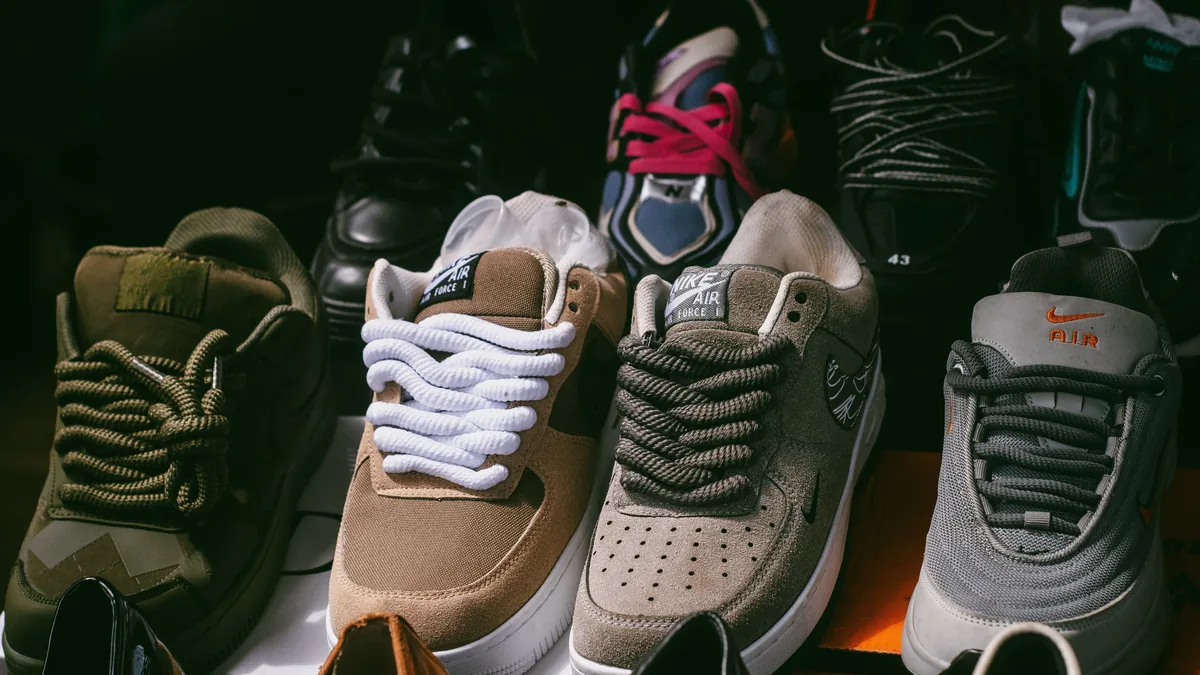
Snkrs And Confirmed Release Mechanics
| Brand | Nike, Inc. |
|---|---|
| Original use | Securing limited-edition sneaker and apparel releases. |
| First created | 2010s (decade) |
| Country of origin | United States |
| Platform type | Mobile application |
| Core function | Digital raffle and reservation system |
| Release outcome | Sold out or Available |
Origin and history
Snkrs And Confirmed Release Mechanics originated in the United States in the early 2010s as a direct response to the growing online demand for limited-edition sneakers and apparel. These systems were developed by major sportswear brands, most notably Nike and Adidas, to manage the high-traffic, high-demand release of their most coveted products. Prior to these platforms, releases often relied on first-come-first-served website queues or in-person raffles, which were prone to website crashes and logistical challenges. The creation of these dedicated apps formalized the "drop" model into a standardized digital process. Their development coincided with the explosive growth of sneaker culture and the resale market, necessitating a more controlled and equitable distribution method. The specific apps, Nike's SNKRS and Adidas' CONFIRMED, were launched within a few years of each other in that decade, establishing the modern framework for limited releases.
What it is for
These mechanics are designed exclusively for the controlled, digital sale of limited-quantity products, primarily sneakers and sometimes accompanying apparel. Their primary function is to manage overwhelming user traffic and bot activity during a product launch to prevent website failures and ensure a fairer chance for genuine customers. They serve as a centralized platform where users can view upcoming releases, access detailed product information, and enter draws or purchase products at a precise launch time. For brands, they are crucial tools for marketing hype, collecting user data, and controlling the narrative around a product's exclusivity. The systems also aim to verify user identity and limit purchases to one per customer to combat reseller bots. Ultimately, they exist to translate extreme demand into a manageable, digital queue system that benefits both the brand and its consumer base.
Overview
Snkrs And Confirmed Release Mechanics refer to the standardized processes used within dedicated mobile applications to facilitate limited product drops. The core procedure typically involves users registering their interest for a product ahead of a set release date and time. At the designated moment, the system either opens a first-come-first-served sale or, more commonly, initiates a randomized draw or raffle for the right to purchase. Users are notified of success or failure within minutes or hours after the draw closes. The entire transaction, from entry to payment processing, is contained within the app ecosystem. This model has become the industry standard for high-profile releases, creating a predictable, though highly competitive, experience for consumers.
What to know
Success rates on these platforms are extremely low for the most sought-after items, often estimated to be in the single-digit percentages. Users must typically have an account in good standing, with a valid payment method and shipping address pre-loaded, to participate effectively. Draw entries are usually time-limited, closing a short period after the advertised launch time, and entering does not guarantee a purchase opportunity. Geographic restrictions apply, with certain releases locked to specific countries or regions, and users cannot circumvent this with shipping addresses. Connectivity is critical; a poor internet connection at the moment of a first-come-first-served drop can result in immediate failure. It is widely understood that despite anti-bot measures, sophisticated automated software still secures a significant portion of inventory, skewing the odds against manual users.
Common questions
A common question is whether creating multiple accounts increases one's chances of securing a product, a practice that is generally prohibited by the platforms' terms of service and can lead to all associated accounts being banned. Users frequently ask if faster internet or repeatedly tapping the button improves odds, which it does not in a draw system, as selections are randomized. Many wonder about the timing of charge authorizations on their payment methods, which typically occur immediately upon a successful draw entry and become a full charge upon a win, or a release if the entry fails. People ask if there is a waiting list for failed draws, which there is not, though some apps may offer a direct purchase option if reserved stock is not claimed. Questions also arise about release time conversions, as global drops are always listed in the brand's local time zone, requiring users to calculate their own time zone difference accurately. Finally, users often inquire about restocks, which are exceedingly rare for limited editions and are not a standard part of the release mechanics.
Pros and cons
A major pro is the creation of a centralized, organized system that provides a clear timeline and process for high-demand releases, reducing chaos compared to old methods. The draw system, in theory, offers a more equitable chance to all entrants within the entry window, negating the advantage of mere clicking speed. For brands, it effectively manages server load, captures valuable consumer data, and builds a dedicated app user base. A significant con is the persistent issue of bots and automated scripts that circumvent security measures, undermining the fairness the system promises. The experience is frequently frustrating for manual users, leading to "L" (loss) notifications that feel inevitable, fostering resentment. The mechanics also create a barrier to entry for less tech-savvy consumers and can feel intentionally opaque, with unclear selection criteria fueling speculation and distrust within the community.
Who it suits
These release mechanics suit dedicated enthusiasts and collectors who are willing to engage with the ritualistic process of digital drops as part of the hobby. They are necessary for anyone targeting limited-edition collaborations or iconic retros from major sportswear brands, as these items are rarely available through general retail. The system suits individuals who are organized, with accounts set up in advance and the ability to be available at precise, often inconvenient, times for draws. It is less suited to casual buyers or those seeking guaranteed purchases, as the model is built on scarcity and chance. It also poorly serves those with unreliable internet access or older mobile devices, as app performance is critical. Ultimately, it is a system for those who accept high competition and frequent disappointment as the cost of attempting to acquire exclusive products.
Latest Snkrs And Confirmed Release Mechanics news
Latest reporting
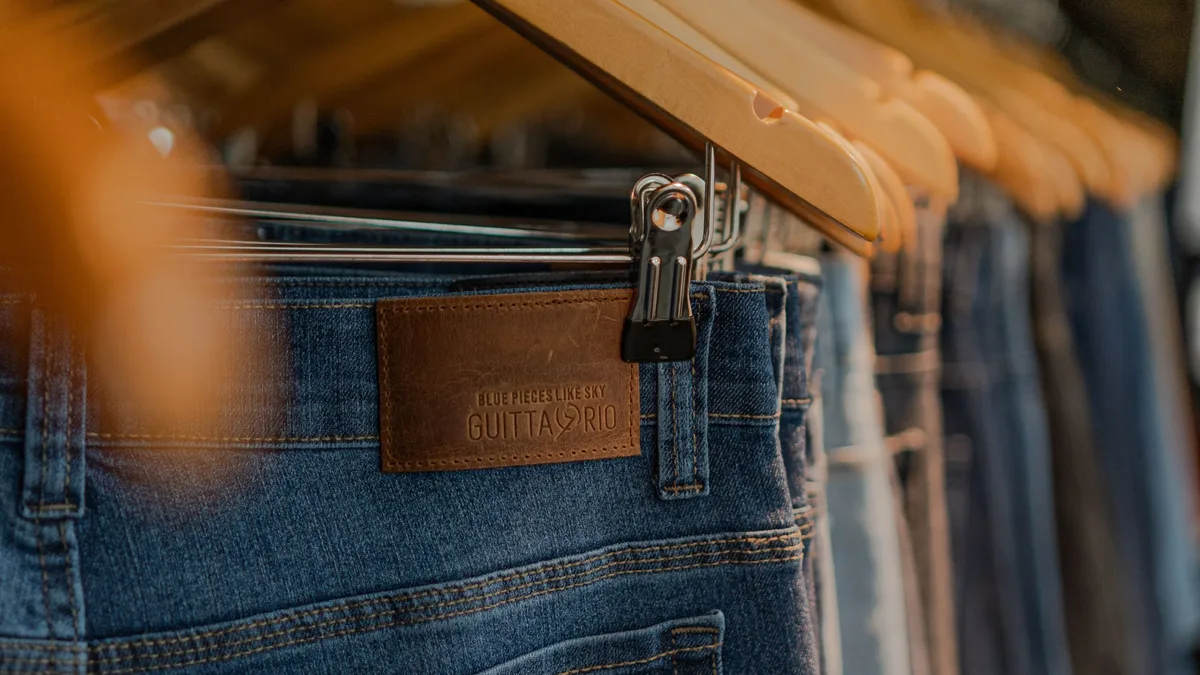
Levi's and sacai Reveal Third Denim Collaboration
Levi's and sacai have unveiled a 12-piece collaborative denim collection, reworking four core silhouettes. The drop starts with a Hong Kong pop-up on...
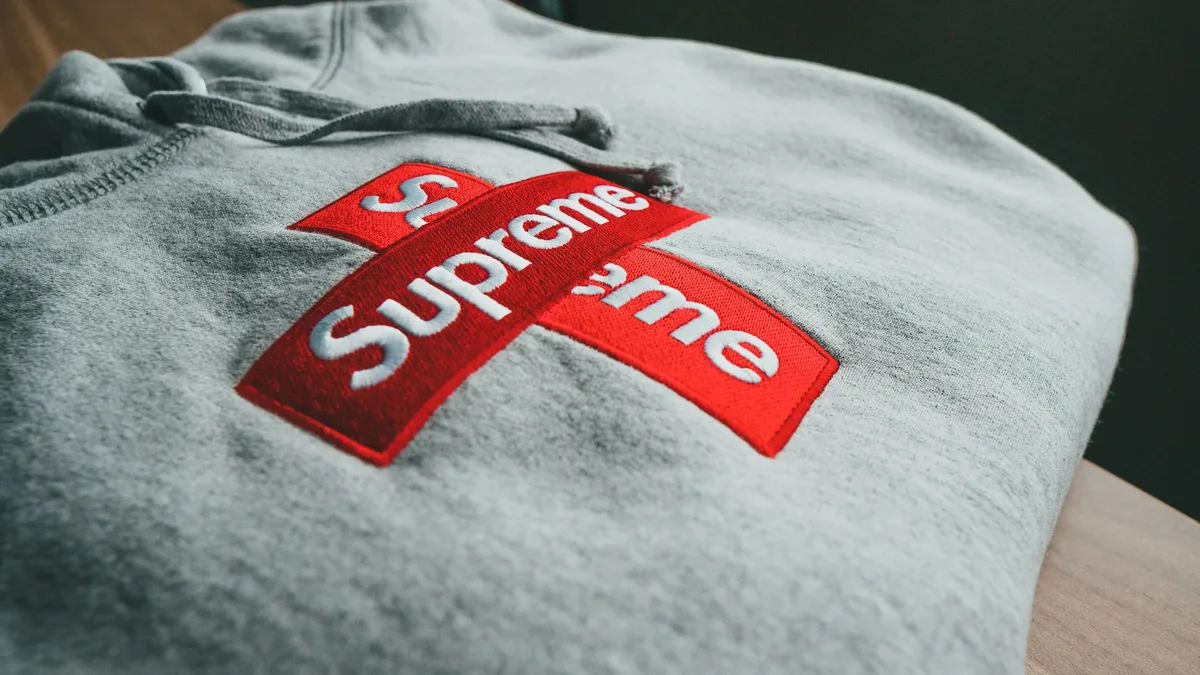
Supreme Drops Surprise a.PRESSE Collaboration on September
Supreme unexpectedly announced a collaboration with the exclusive Japanese label a.PRESSE, set for release on September 10.
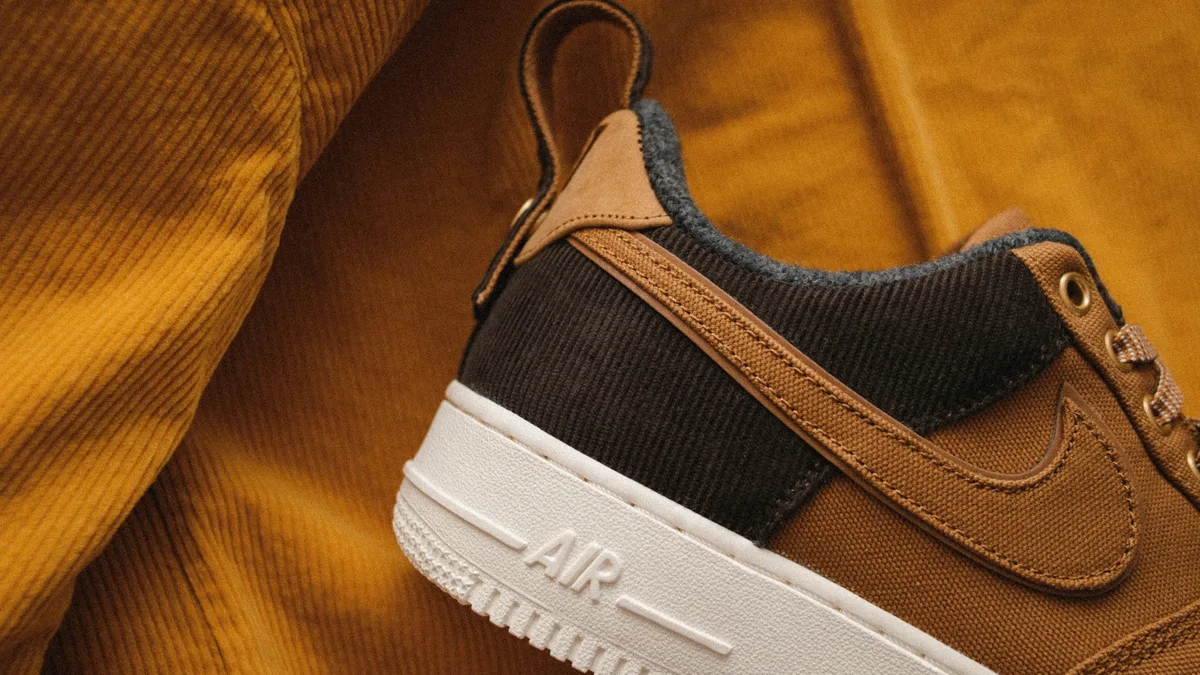
Nike Air Force 1 Low GORE-TEX Baroque Brown Drops 2026
Nike will release a winterized Air Force 1 Low in 2026. The $150 'Baroque Brown' shoe features GORE-TEX waterproofing and a Vibram outsole.
Nike Baltoro High Returns in Cave Stone Colorway
Nike is reviving its Baltoro High sneaker in a 'Cave Stone/Mystic Hibiscus' colorway for September 2026. The $145 release draws on the model's 1990s...

KidSuper x Havaianas launch football sandals
KidSuper and Havaianas launch a four-piece sandal collection merging football culture with avant-garde art. The release is headlined by a green...

adidas Futurecool 3D shoe campaign styled by
Adidas's Futurecool 3D-printed sneaker, styled by Dazed's Mirko Pedone, launches globally in April 2027. A raffle opens August 28 on the CONFIRMED...