Air Jordan 4
| Brand | Nike |
|---|---|
| First created | 1989 |
| Original use | Basketball performance |
| Designer | Tinker Hatfield |
| Silhouette | Mid-top |
| Closure | Lace-up |
| Notable feature | Visible Air sole unit, plastic wing eyelets |
Origin and history
The Air Jordan 4 is a basketball sneaker that originated from the United States. It was first released in the late 1980s as part of the signature line for athlete Michael Jordan. The shoe was designed by Tinker Hatfield, marking one of his earliest major contributions to the Air Jordan series. Its development coincided with Michael Jordan's rising stardom and his iconic performances on the basketball court during that era. The design process aimed to create a performance shoe that also had strong visual appeal for casual wear. The initial launch included several colorways that have since become legendary within sneaker culture.
What it is for
The Air Jordan 4 was engineered primarily as a high-performance basketball shoe for competitive play. Its design specifications focused on providing stability, cushioning, and ankle support for the demands of professional basketball. The shoe incorporates a visible Air-Sole unit in the heel for impact protection during jumps and landings. A flexible mesh and leather upper was intended to offer breathability and a secure fit during dynamic movement. The innovative wing lacing system was designed to improve lockdown and adapt to the shape of the wearer's foot. Beyond the court, the model quickly gained recognition as a lifestyle sneaker due to its distinctive aesthetic.
Pros and cons
A significant pro of the Air Jordan 4 is its durable construction, with many pairs remaining intact for decades when properly cared for. The shoe's design is widely regarded as a classic, offering a versatile look that transcends its original sporting context. However, a common con is that the midsole foam, particularly on older models, is prone to crumbling with age due to material degradation. The mesh panels on the upper can also become brittle and tear over time, which is a frequent point of failure. Some wearers regret choosing the model for extensive daily wear due to the relatively high weight and bulky feel compared to modern sneakers. A frequent mistake is purchasing vintage pairs without inspecting the structural integrity of the midsole, leading to immediate unwearability.
Who it suits
This sneaker suits collectors and enthusiasts of sneaker history who value its pivotal role in 1980s athletic and fashion culture. It is appropriate for individuals seeking a statement lifestyle shoe with a recognizable silhouette and rich heritage. The model also appeals to those who prefer substantial footwear with a feeling of solidity and structure, rather than minimalist designs. Basketball players interested in retro performance styles may find it suitable for casual play, though modern shoes offer superior technology. It is less suited for people seeking a lightweight, breathable shoe for extended walking or running, as the design prioritizes form and historical accuracy over contemporary comfort engineering. Ultimately, it best fits wearers who appreciate the balance between a functional sports artifact and a cultural icon.
Latest Air Jordan 4 news
Latest reporting
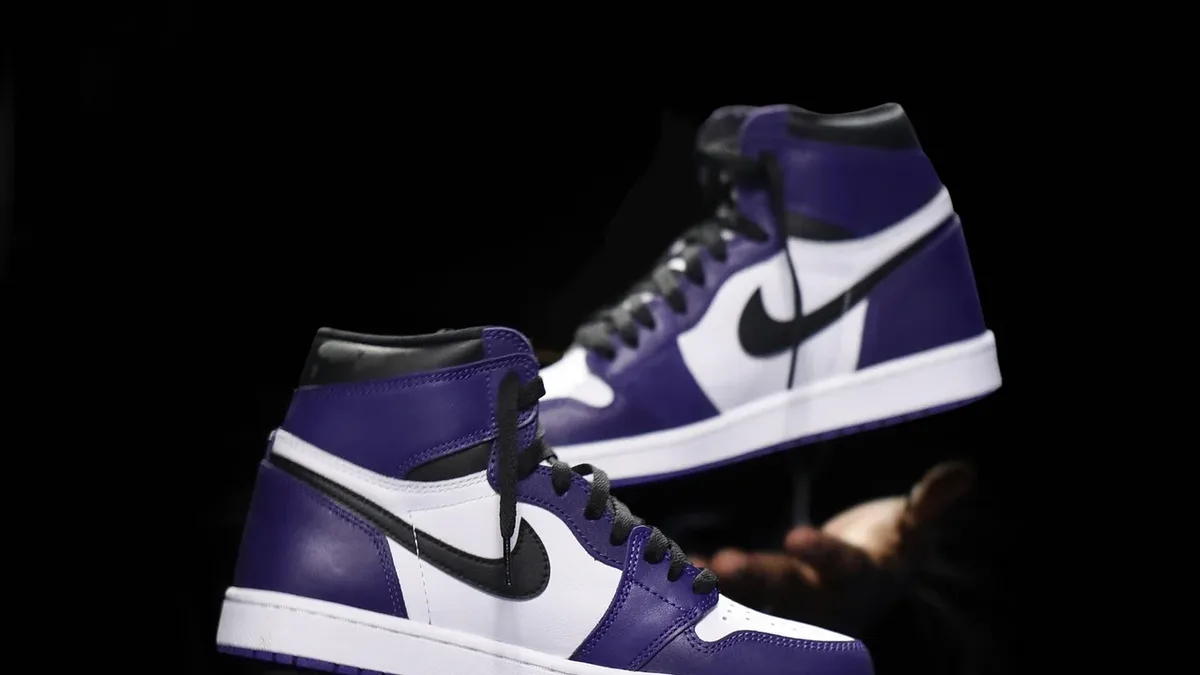
Syn Zhuang Wins Jordan Design Studio Contest
Beijing designer Syn Zhuang won the inaugural Jordan Design Studio program by reimagining the Air Jordan 1. Her versatile, women-focused design...
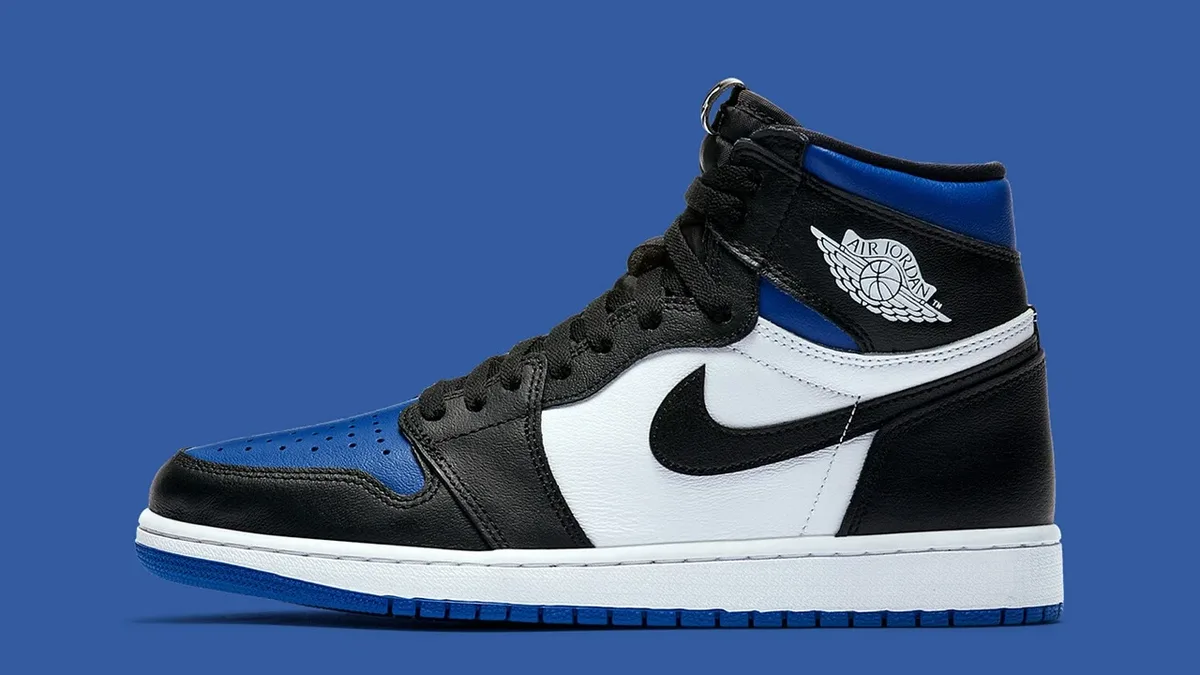
Jordan Brand x NÒMARHYTHM TEXTILE Collab
NÒMARHYTHM TEXTILE and Jordan Brand launch an apparel collaboration, fusing Tokyo textile craftsmanship with athletic heritage.
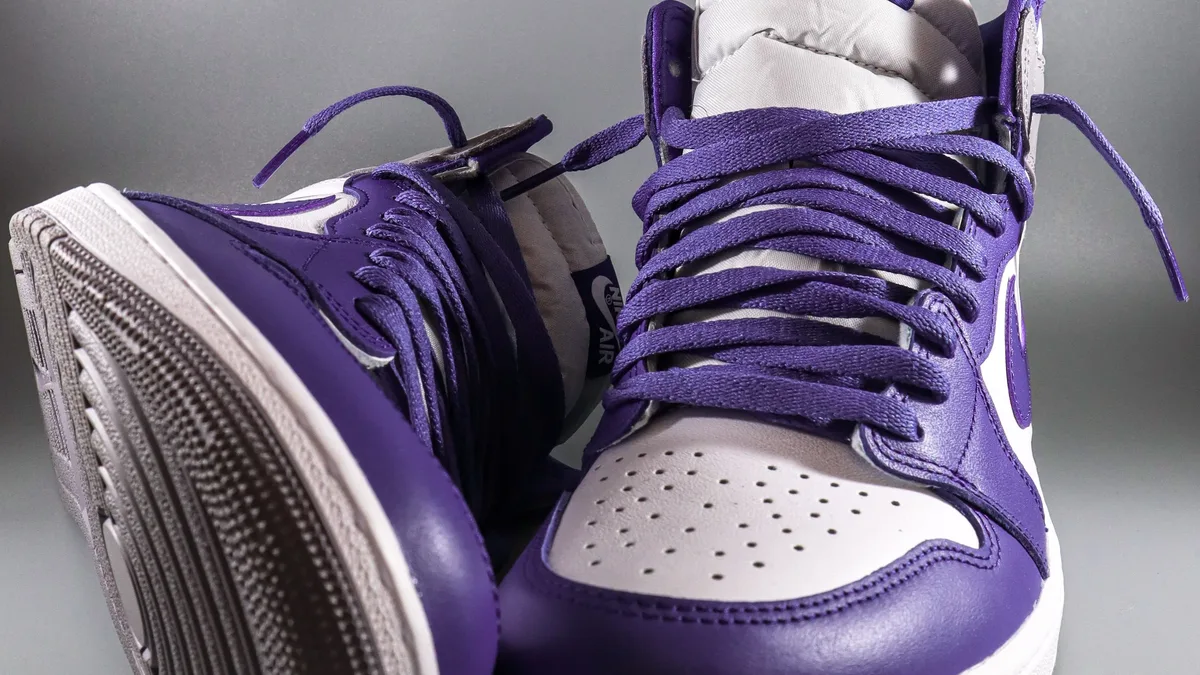
Air Jordan 41 Designers Reveal Michael
Leo Chang and Donald 'DK' Kelsey of Jordan Brand discuss the creation of the Air Jordan 41, including Michael Jordan’s involvement, design...
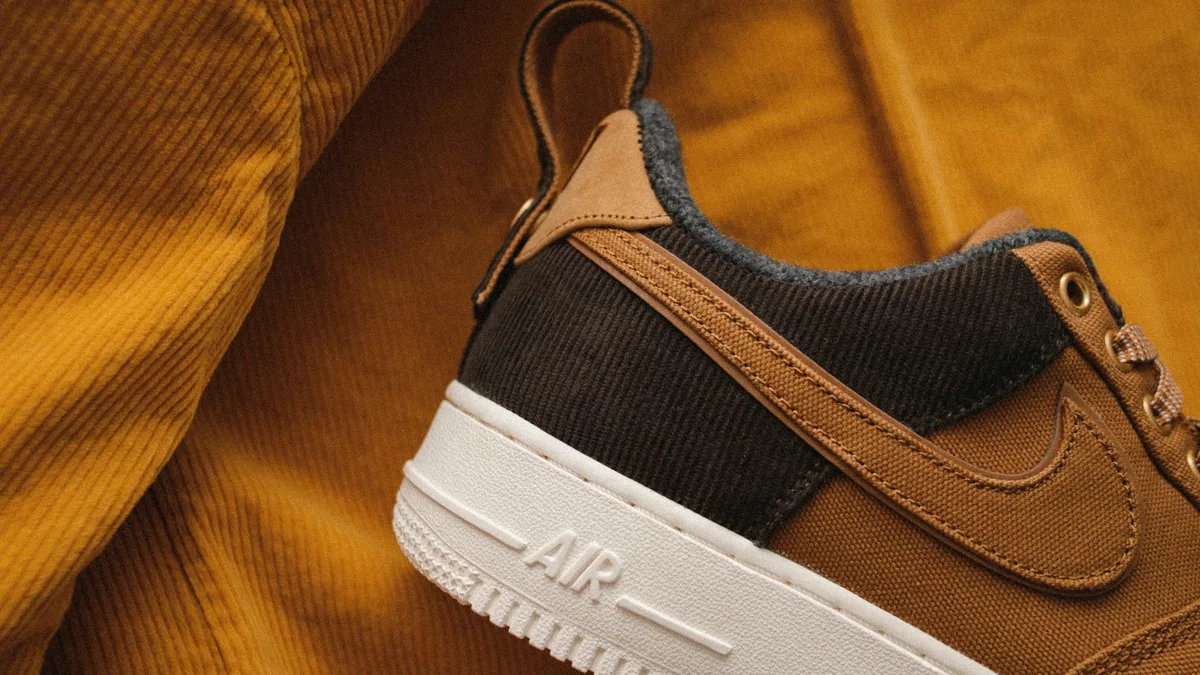
Nike Releases Chrome-Accented Air Jordan 8 and Light Chocolate SB AF1 This Week
Nike unveiled a chrome-accented Air Jordan 8 on August 29 and a light chocolate SB AF1 on August 25, among other releases. The lineup also includes...

Nike's Standout Sneaker Drops This Week: From Archival Classics to Bold New Designs
Nike continues to dominate the sneaker scene with a mix of reimagined classics and fresh releases, including the Air Max Goadome Low, Jordan Heir...

Awake NY Brings Sweet Treats to Air Jordan 6
Awake NY's latest collaboration with Nike's Jordan brand brings a candy-inspired twist to the iconic Air Jordan 6.