Air Jordan 1
| Brand | Nike |
|---|---|
| First created | 1985 |
| Original use | Basketball performance shoe |
| Designer | Peter Moore |
| Silhouette | High-top |
| Notable feature | Nike Air cushioning |
| Closure | Lace-up |
| Upper material | Leather |
Origin and history
The Air Jordan 1 originated in the United States in the 1980s. It was created as a signature basketball shoe for the rookie player Michael Jordan by Nike. The shoe's initial design and colorway, particularly the "Bred" (black/red) model, famously violated the NBA's uniform policy at the time. This violation led to Nike paying fines for each game Jordan wore them, a situation leveraged for a highly effective marketing campaign. The controversy and association with Jordan's rising stardom propelled the shoe to immediate cultural significance beyond the basketball court. Its initial release period saw the shoe transition rapidly from performance athletic wear to a coveted fashion item.
What it is for
The Air Jordan 1 was originally designed as a high-top basketball shoe, intended to provide ankle support and court performance for athletes. Its construction included a leather upper for durability and a Nike Air cushioning unit in the sole for impact protection. On the court, the shoe's herringbone outsole pattern was meant to offer traction for quick cuts and movements. Beyond its athletic purpose, the shoe quickly became a symbol of personal style and rebellion due to its banned status. Its primary function in contemporary contexts is as a lifestyle and fashion sneaker, worn for casual wear rather than sport. The design serves as a canvas for countless colorways and collaborations, making it a staple of sneaker collecting and streetwear culture.
Pros and cons
A significant pro of the Air Jordan 1 is its iconic design, which offers timeless style that pairs with a wide range of casual outfits. The leather upper, while often stiff initially, is generally durable and develops a distinct creased character over time. However, a common con is that this classic construction lacks the modern cushioning and lightweight materials found in current performance shoes, making it less suitable for extended walking or athletic use. Many buyers regret their purchase if they mistakenly acquire the shoe for comfort or technical sport performance, as it can feel heavy and unforgiving. The high-top design can also restrict ankle mobility for some wearers and may be difficult to put on quickly. Furthermore, the shoe's immense popularity leads to widespread counterfeiting, posing a risk to uninformed buyers in the secondary market.
Who it suits
It is well-suited for sneaker collectors and enthusiasts who appreciate its foundational role in sneaker culture and its vast archive of colorways. The shoe also fits those engaged in streetwear fashion, as it serves as a versatile foundational piece for many styles. It is less suitable for athletes seeking performance basketball shoes or for people who require all-day orthopedic comfort, as its design is decades old. The shoe typically suits wearers who do not mind the break-in period associated with its leather construction and the inevitable creasing that follows. Finally, it appeals to those who value symbolic items in popular culture, given its direct connection to Michael Jordan's early career and its historic challenge to league authority.
Latest Air Jordan 1 news
Latest reporting
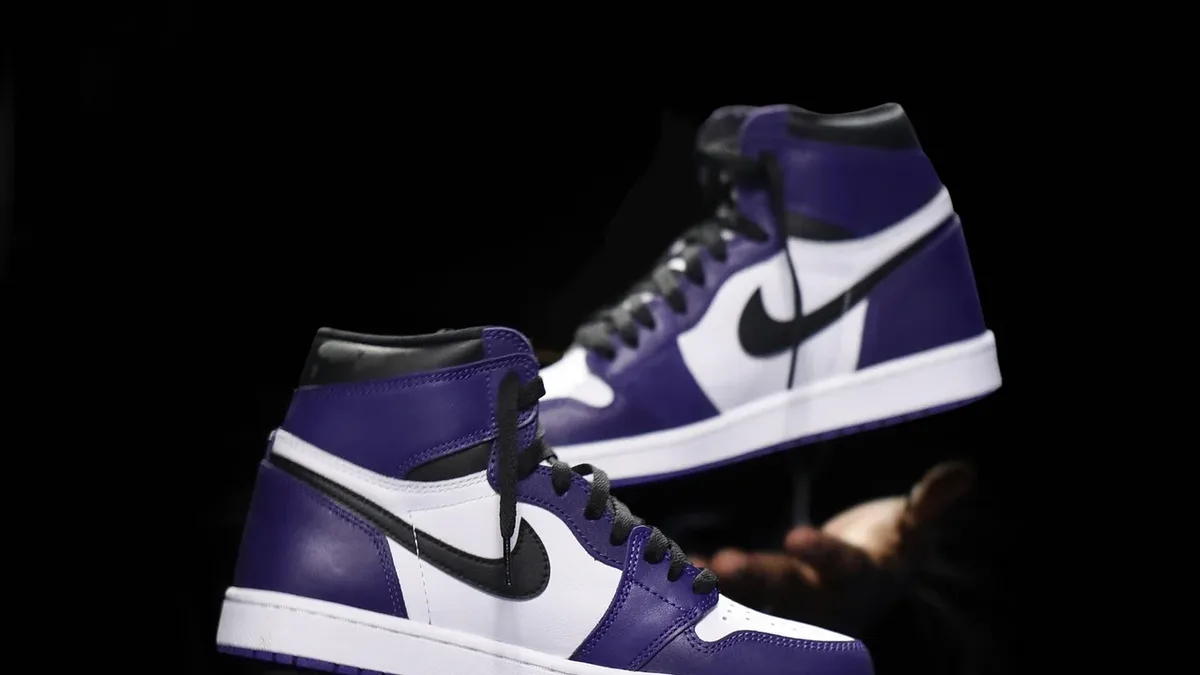
Syn Zhuang Wins Jordan Design Studio Contest
Beijing designer Syn Zhuang won the inaugural Jordan Design Studio program by reimagining the Air Jordan 1. Her versatile, women-focused design...
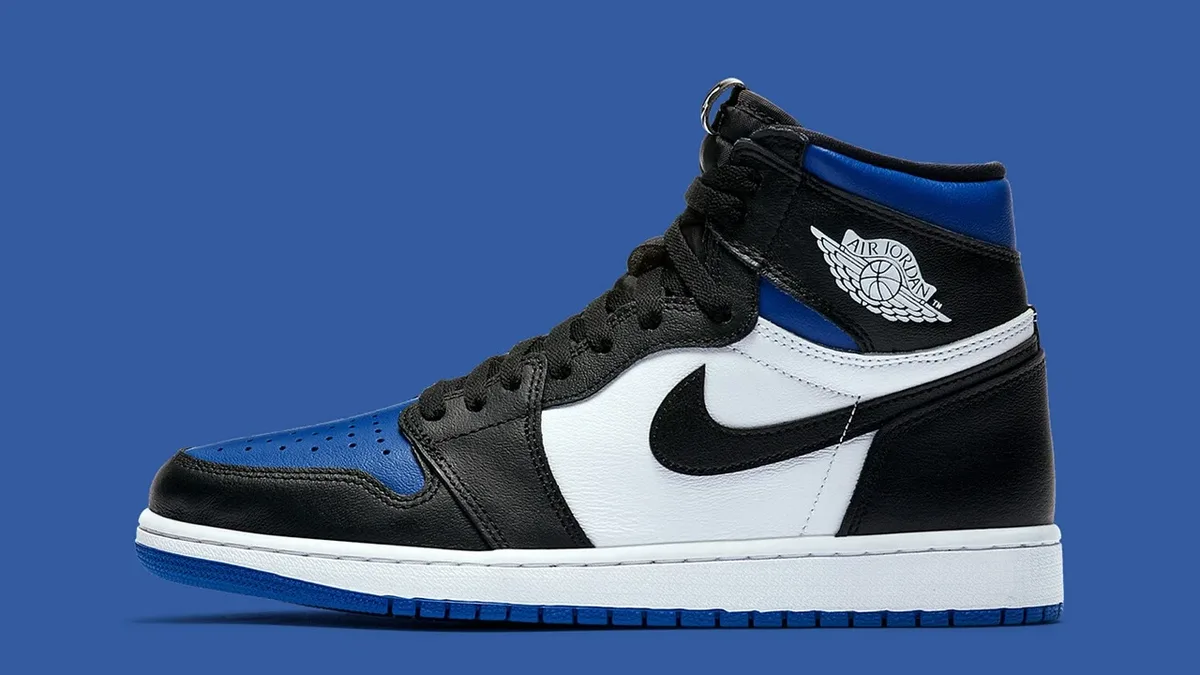
Jordan Brand x NÒMARHYTHM TEXTILE Collab
NÒMARHYTHM TEXTILE and Jordan Brand launch an apparel collaboration, fusing Tokyo textile craftsmanship with athletic heritage.
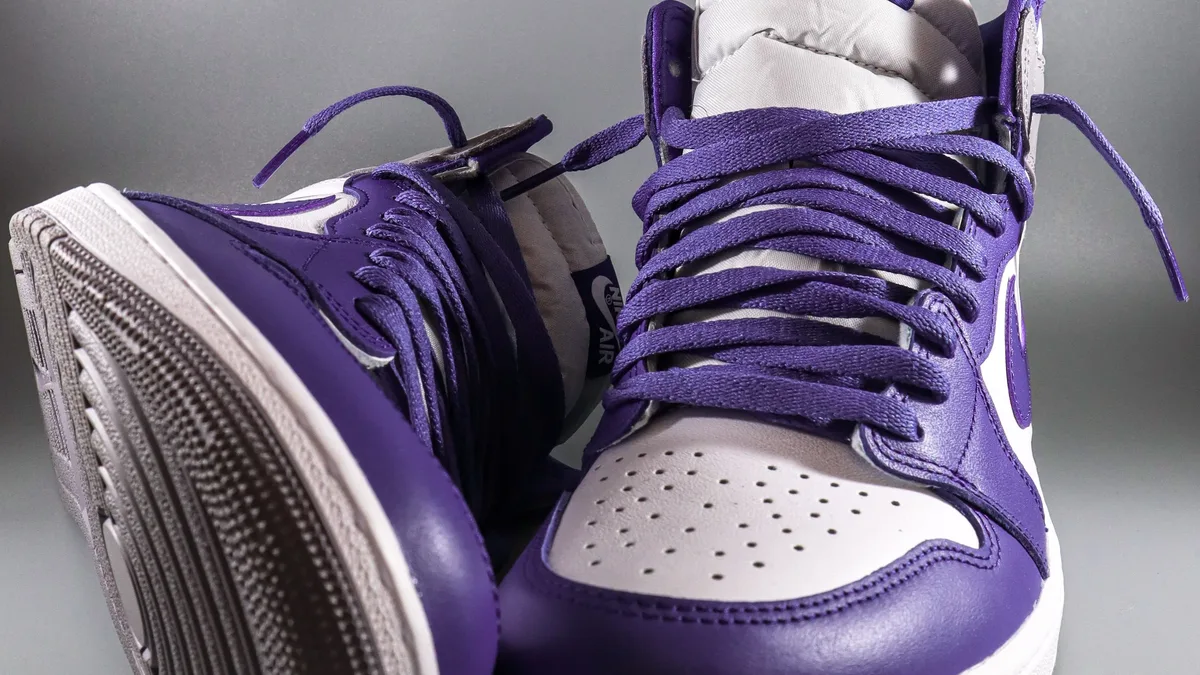
Air Jordan 41 Designers Reveal Michael
Leo Chang and Donald 'DK' Kelsey of Jordan Brand discuss the creation of the Air Jordan 41, including Michael Jordan’s involvement, design...
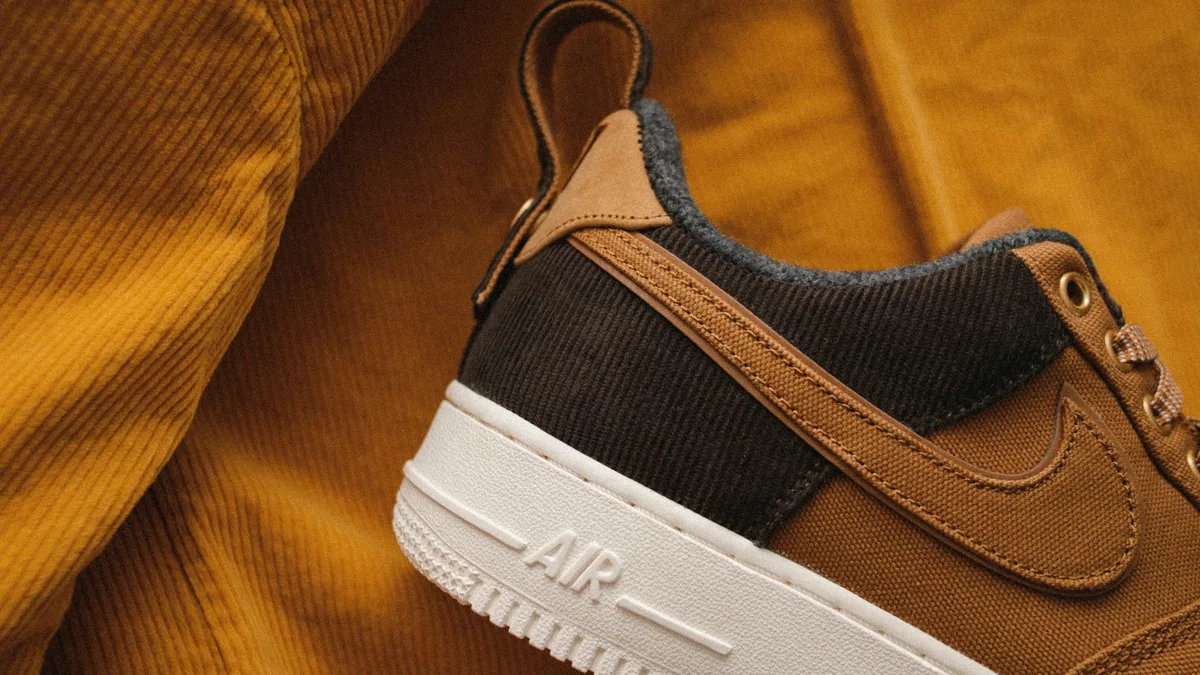
Nike Releases Chrome-Accented Air Jordan 8 and Light Chocolate SB AF1 This Week
Nike unveiled a chrome-accented Air Jordan 8 on August 29 and a light chocolate SB AF1 on August 25, among other releases. The lineup also includes...

Nike's Standout Sneaker Drops This Week: From Archival Classics to Bold New Designs
Nike continues to dominate the sneaker scene with a mix of reimagined classics and fresh releases, including the Air Max Goadome Low, Jordan Heir...

Awake NY Brings Sweet Treats to Air Jordan 6
Awake NY's latest collaboration with Nike's Jordan brand brings a candy-inspired twist to the iconic Air Jordan 6.