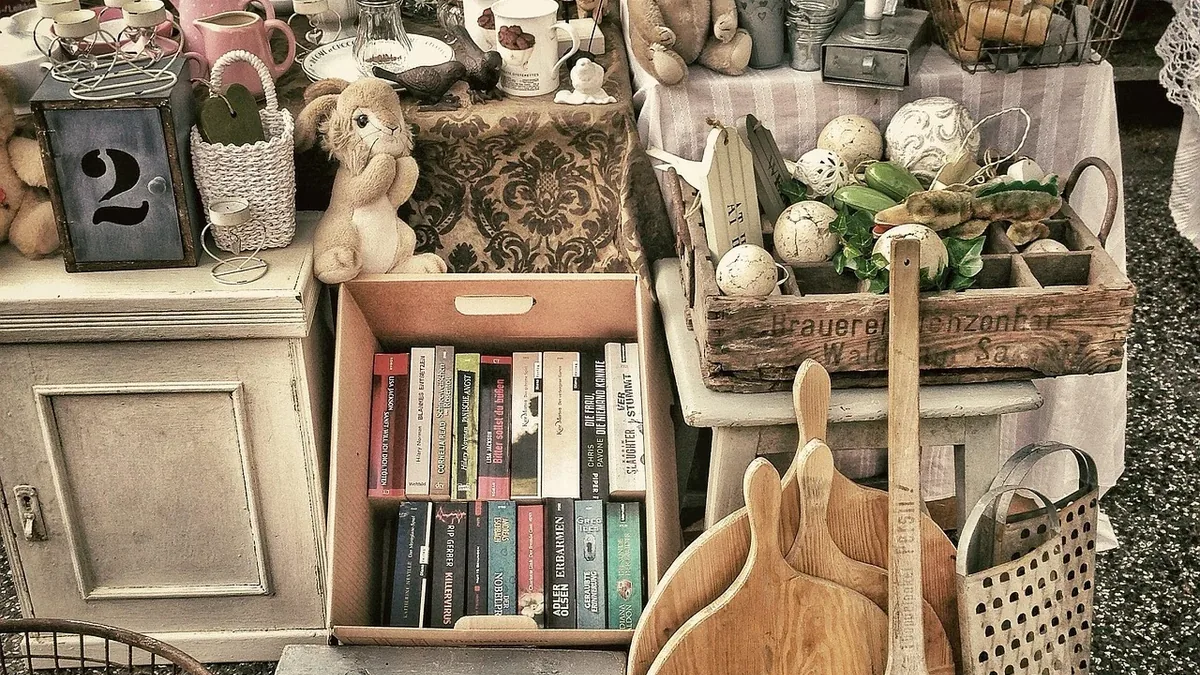
Archive And Vintage Collecting
| Brand | Archive And Vintage Collecting |
|---|---|
| Country of origin | United States |
| First created | 2000s |
| Original use | Online resource for vintage clothing collectors |
| Primary focus | Designer and archival fashion |
| Known for | Detailed garment analysis and historical context |
| Content format | Articles, lookbooks, and reference guides |
Origin and history
Archive And Vintage Collecting is a modern practice focused on the systematic acquisition and preservation of historical clothing and accessories. Its origins are rooted in the late 20th century, emerging from subcultures in North America, Europe, and Japan that valued the aesthetic and material quality of past eras. The practice gained formal structure and widespread recognition as an online community in the early 2000s with the rise of dedicated forums, blogs, and later, social media platforms. It differs from general second-hand shopping by emphasizing research, authentication, and the curation of items with specific historical or design significance. The community's growth was paralleled by increasing academic and museum interest in fashion history as a serious field of study. This period also saw the establishment of specialized online marketplaces and physical stores catering specifically to high-end vintage and archival pieces.
What it is for
This practice serves to preserve tangible examples of fashion history, ensuring that significant garments and their stories are not lost to time. It functions as a method of personal expression, allowing individuals to construct a unique style narrative separate from contemporary fast-fashion cycles. For designers and scholars, archived vintage pieces provide a crucial resource for studying construction techniques, fabric technology, and the evolution of design silhouettes. The community aspect facilitates knowledge sharing, where collectors educate each other on dating labels, identifying designers, and verifying authenticity. On a broader cultural level, it acts as a living archive, documenting social history through the lens of clothing and personal adornment. The practice also inherently promotes a form of sustainable consumption by extending the lifecycle of high-quality garments.
Overview
Archive And Vintage Collecting encompasses several specialized niches, including focus on specific decades, designer houses, subcultural uniforms, or item categories like denim or footwear. The scope ranges from mass-produced iconic pieces of a particular era to rare, runway-level garments from celebrated designers, often referred to as "archival" fashion. Key activities include hunting for items, which involves searching through thrift stores, online auctions, estate sales, and specialized dealers, followed by the processes of research and verification. Successful collecting requires developing a trained eye for details such as stitching, hardware, fabric composition, and label evolution to accurately date and attribute pieces. Preservation is a critical component, involving proper storage, cleaning, and repair techniques to maintain the integrity of often delicate items. The community operates through a network of online platforms, physical marketplaces, and sometimes public exhibitions of private collections.
What to know
Understanding garment construction and historical context is more valuable than simply recognizing a brand name, as many significant pieces are unlabeled or from defunct companies. The market is knowledge-driven, where an item's value is determined by its rarity, condition, provenance, and historical importance rather than just its age. Common pitfalls include misdating items due to reproduction labels or surviving styles, and confusing legitimate vintage with modern "vintage-style" reproductions. Condition is paramount; significant damage, alterations, or poor restoration can drastically reduce an item's value and historical integrity, though some wear is expected. Building a reputable network of trusted dealers, conservators, and fellow collectors is essential for authenticating finds and accessing quality pieces. The ethical landscape includes considerations around the cultural appropriation of certain garments and the economic impact of driving up prices in traditional second-hand markets.
Common questions
How do I start identifying and dating a vintage item without any labels? Begin by examining the construction details, such as the type of zipper, metal fasteners, and seam finishing, and compare these to documented historical manufacturing techniques. What is the difference between "vintage," "antique," and "archival" in clothing? "Vintage" typically refers to items 20 to 100 years old, "antique" to items over 100 years old, and "archival" specifically denotes historically significant pieces, often from a designer's important collection or that had a notable cultural impact. Are all old clothes considered valuable vintage? No, age alone does not confer value; factors like design significance, condition, and rarity are the primary determinants of worth. How should I store my vintage clothing to preserve it? Store items in a cool, dark, dry place, using acid-free tissue paper and padded hangers for heavy garments, and avoid plastic bags that can trap moisture. Is it acceptable to alter or repair vintage clothing? Minor, reversible repairs for wearability are common, but significant alterations that destroy the original design integrity are generally frowned upon by serious collectors. How can I tell if an online listing is authentic? Request multiple clear photographs of all labels, seams, hardware, and any flaws, and cross-reference these details with known examples from reliable databases or reference books.
Pros and cons
A significant advantage is the opportunity to own unique, high-quality garments with historical character that are often constructed better than modern equivalents. The practice fosters deep learning about design, textiles, and social history, developing a highly specialized skill set. However, it can be a time-intensive and often expensive hobby, requiring countless hours of research and hunting to find desirable pieces. The market is prone to fluctuating trends, where a once-affordable category can suddenly become highly sought-after and prohibitively expensive. A common mistake is buying impulsively based on a general aesthetic without verifying authenticity, leading to costly purchases of misrepresented or reproduction items. Collectors often regret not properly storing items from the beginning, resulting in irreversible damage from light, moths, or improper hanging that diminishes both value and longevity.
Who it suits
This practice suits individuals with a patient, detail-oriented, and research-driven mindset who derive satisfaction from the hunt and discovery process as much as from ownership. It is ideal for those interested in fashion history, material culture, or sustainability, who wish to engage with clothing on a deeper level than mere consumption. Designers, students, and historians may use it as a practical research tool to understand garment construction and historical context firsthand. It appeals to people seeking individuality in their wardrobe, wanting to avoid mass-produced contemporary fashion and build a personal style narrative. The community aspect suits those who enjoy connecting with others over shared niche interests and participating in knowledge exchange. It is less suited for those seeking immediate gratification, operating on a tight budget without flexibility, or who are uncomfortable with the inherent imperfections and care requirements of aged textiles.
Latest Archive And Vintage Collecting news
Latest reporting
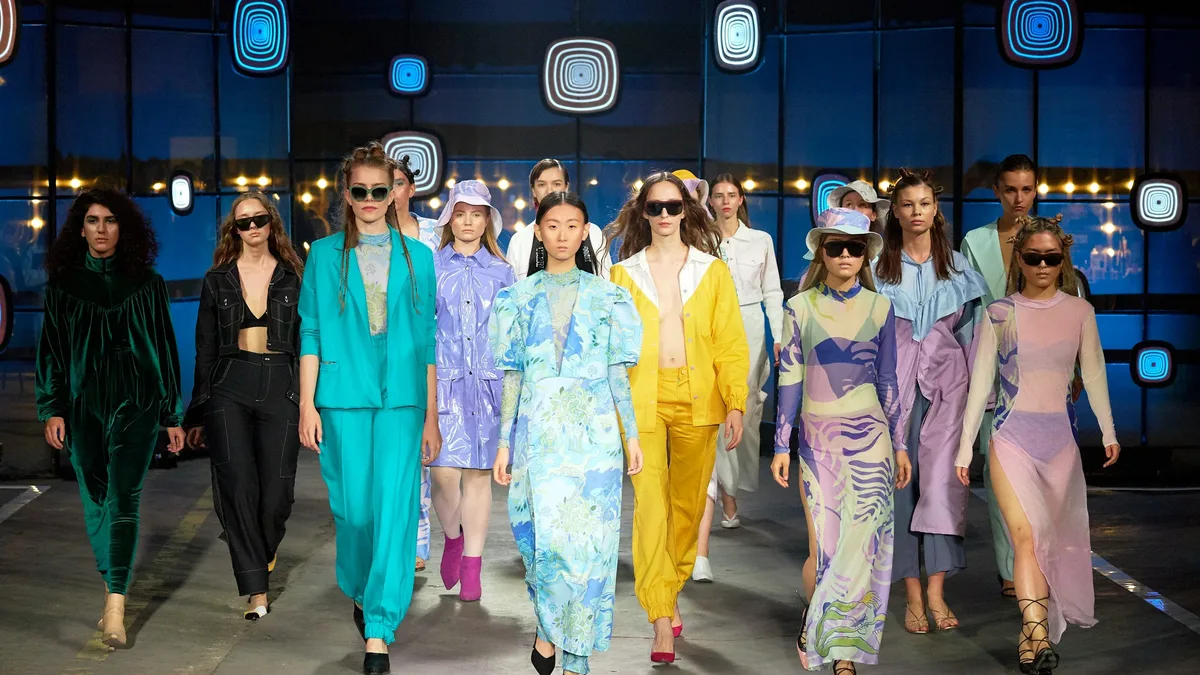
M&S Debuts at London Fashion Week with Archive Collection
Marks & Spencer will stage its first London Fashion Week show, presenting 57 shoppable looks. Half the collection is priced under £50.
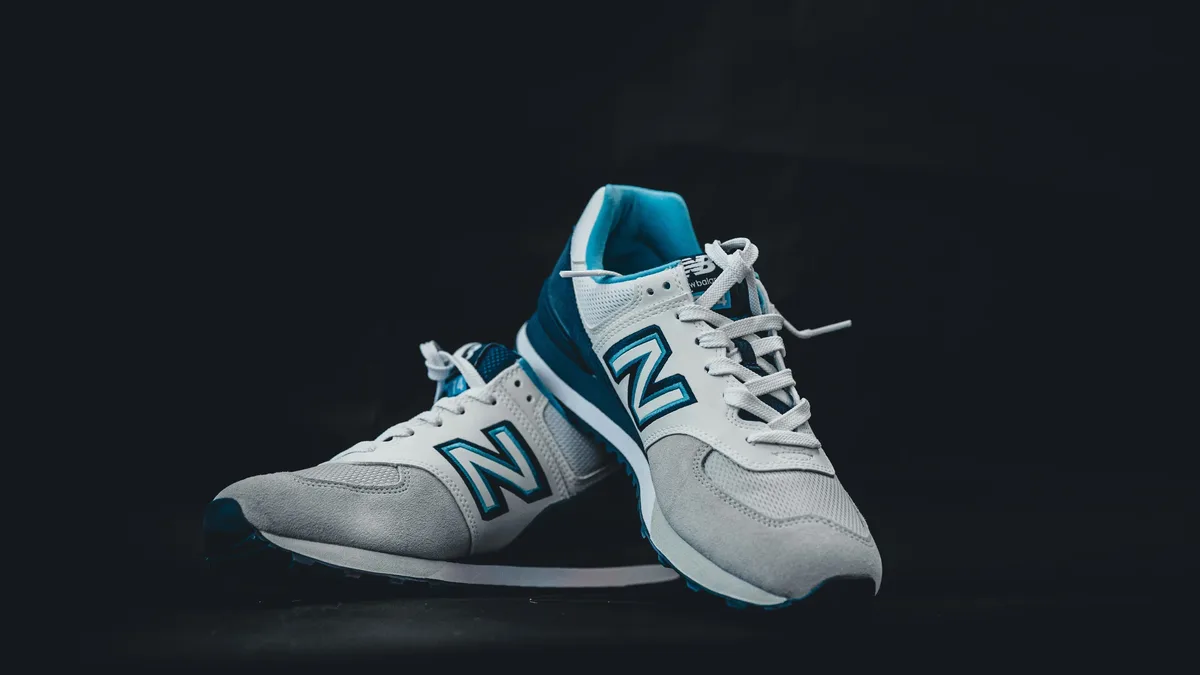
New Balance 983 Debuts October 1 for $160
New Balance unveils the 983, a new lifestyle sneaker built from 2000s running archive elements. It releases October 1 via New Balance for $160 USD.
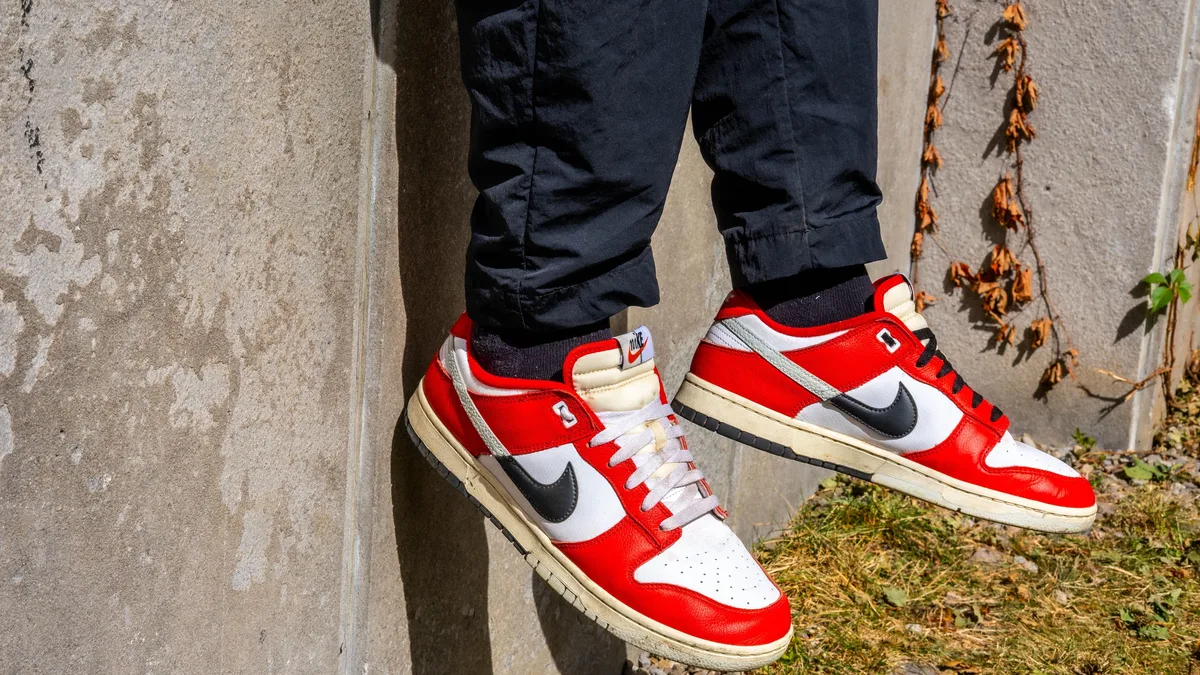
Nike's 3D-Printed Sneaker Blends Nostalgia with Futurism
Nike's collaborative 3D-printed sneaker with Motoi Hatsuki combines vintage design elements with cutting-edge technology.

Action Bronson Teams Up with New Balance for Icy Archive Revival
The Queens-born rapper and chef links up with Boston's running legacy to create a unique and eye-catching shoe.