PETA Protest at Cos Show Sparks Wool Debate
A PETA runway protest at Cos during New York Fashion Week gained widespread attention after CFDA CEO Steven Kolb intervened, spotlighting the group's
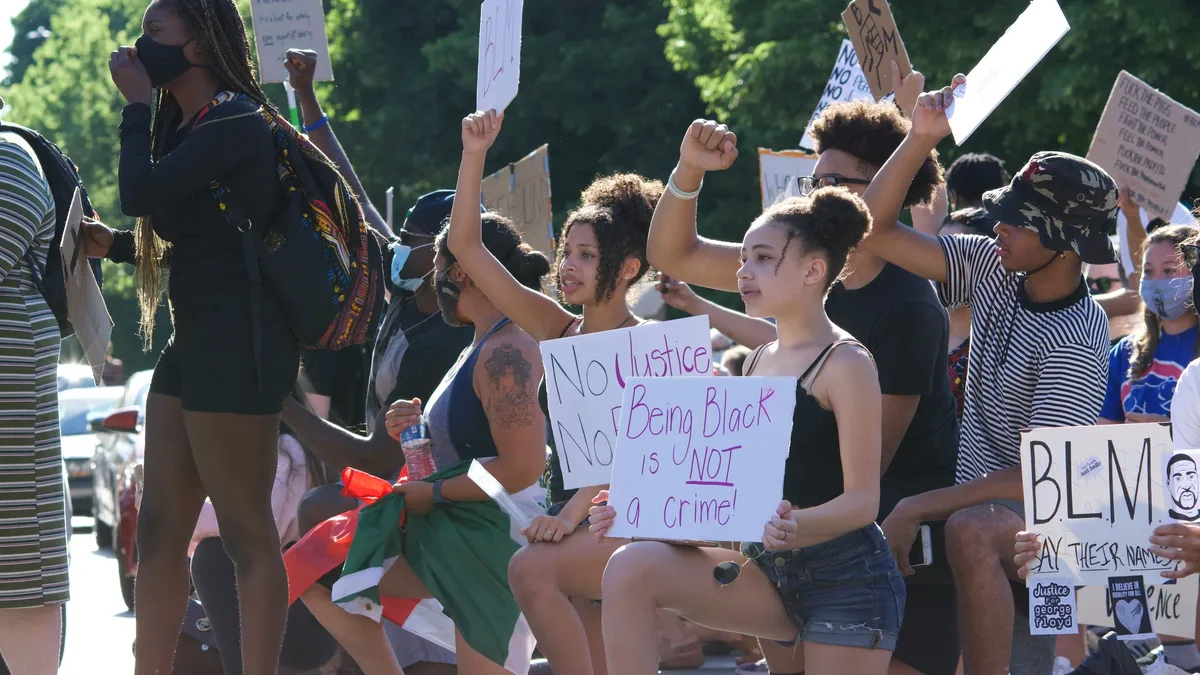
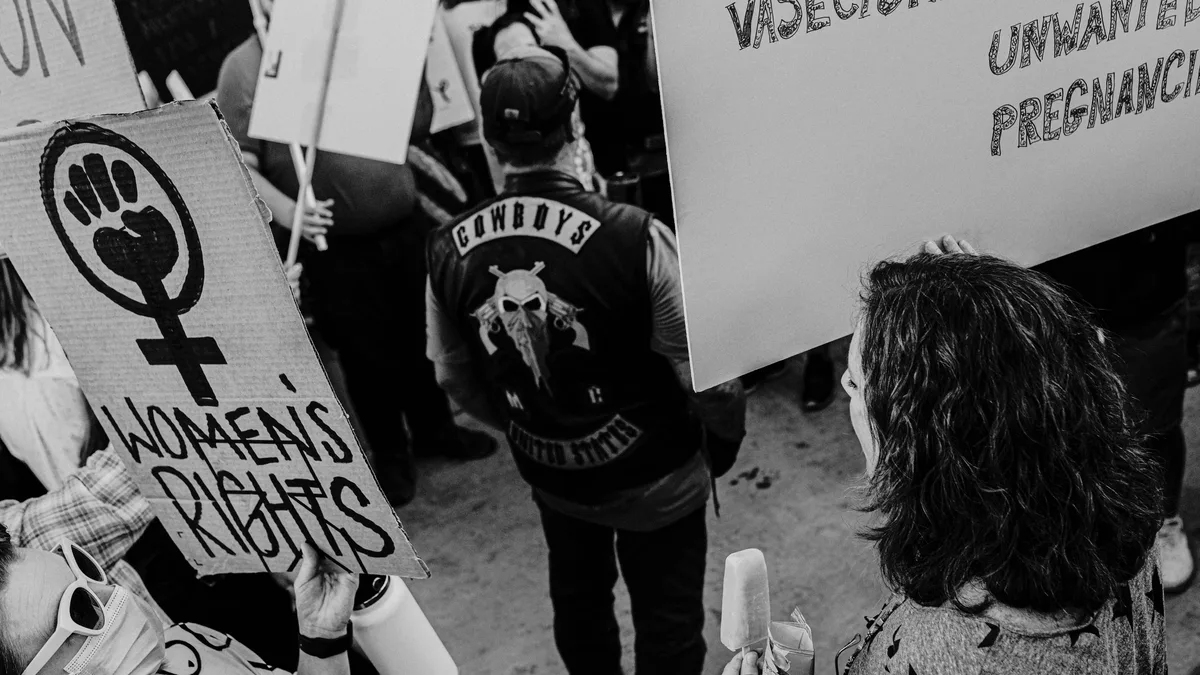
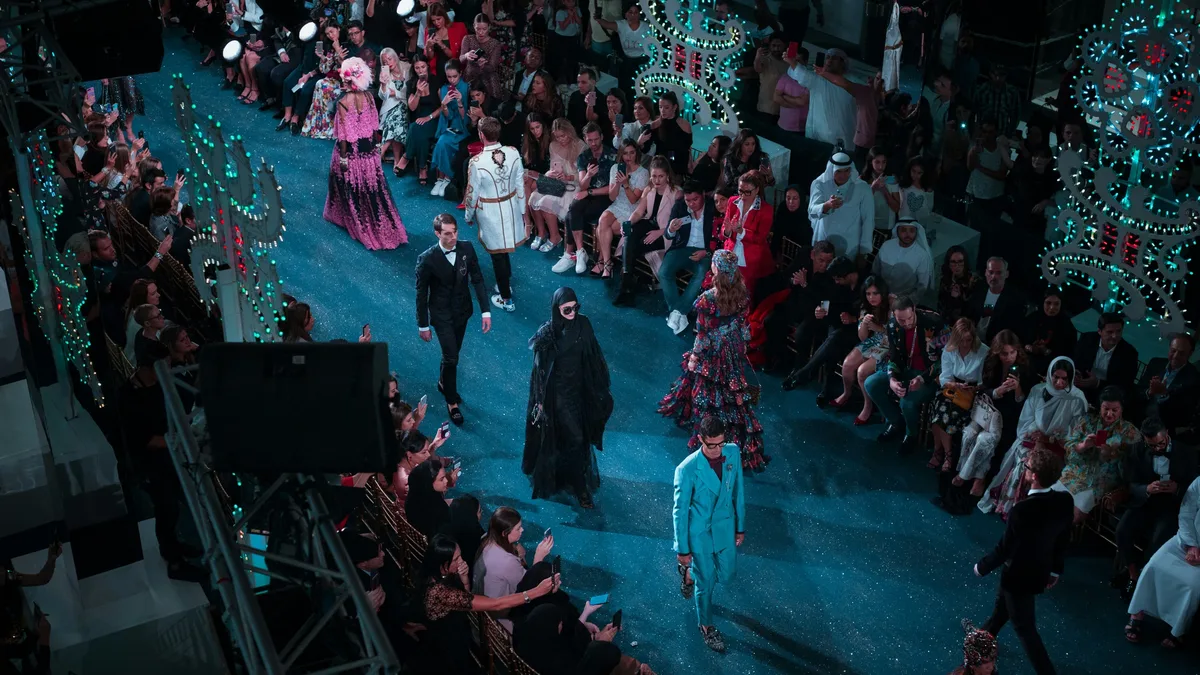
A protest by animal-rights group PETA at a Cos runway show during New York Fashion Week has ignited a fresh debate over the use of wool in fashion. The incident gained significant traction after video spread online showing Steven Kolb, the head of the Council of Fashion Designers of America (CFDA), physically restraining protesters.
The video footage was picked up by major news outlets from The New York Times to Al Jazeera, dramatically raising awareness of PETA's campaign. The group argues that graphic investigations reveal cruel practices and abuse persist in wool supply chains, challenging the material's clean and green image.
Theories of Change
PETA has employed aggressive tactics for nearly 50 years to stop the use of animal-derived materials. These have included dropping a dead raccoon on Anna Wintour's lunch plate. While such methods make even allies uncomfortable, they have contributed to results.
Fur, once a luxury staple, is now banned by many major brands and several governments. New York Fashion Week itself went fur-free for the first time this month, a move championed by Kolb. However, this shift took years and was not built on protest alone. Broader advocacy, corporate engagement, and a changing cultural conversation around ethics all played key roles.
Protest often functions not as the direct change mechanism, but as a marketing tool and pressure point.
Comparing Campaign Impacts
Other consumer-led movements have had more direct impacts. Anti-sweatshop demonstrations on 1990s college campuses and social media labour rights campaigns after the 2013 Rana Plaza collapse pushed brands to improve factory conditions. These protests gained momentum because of major scandals and were accompanied by government and investor scrutiny.
The path to substantive change is typically paved by years of previous advocacy.
It is unclear if the current controversy will push the wool conversation to a similar tipping point. Wool is a mainstream material many view as less morally fraught than fur, since sheep are not raised solely for their pelts. PETA contends that greater awareness of supply chain cruelty could shift attitudes.
Even without a widespread pullback, increased media scrutiny may compel some companies to strengthen animal welfare standards. PETA targeted Cos following an investigation alleging abuse at farms linked to parent company H&M Group. H&M stated that the responsible-wool certification schemes it uses investigated the claims and suspended several farm licenses.
Some might view that outcome as a win.