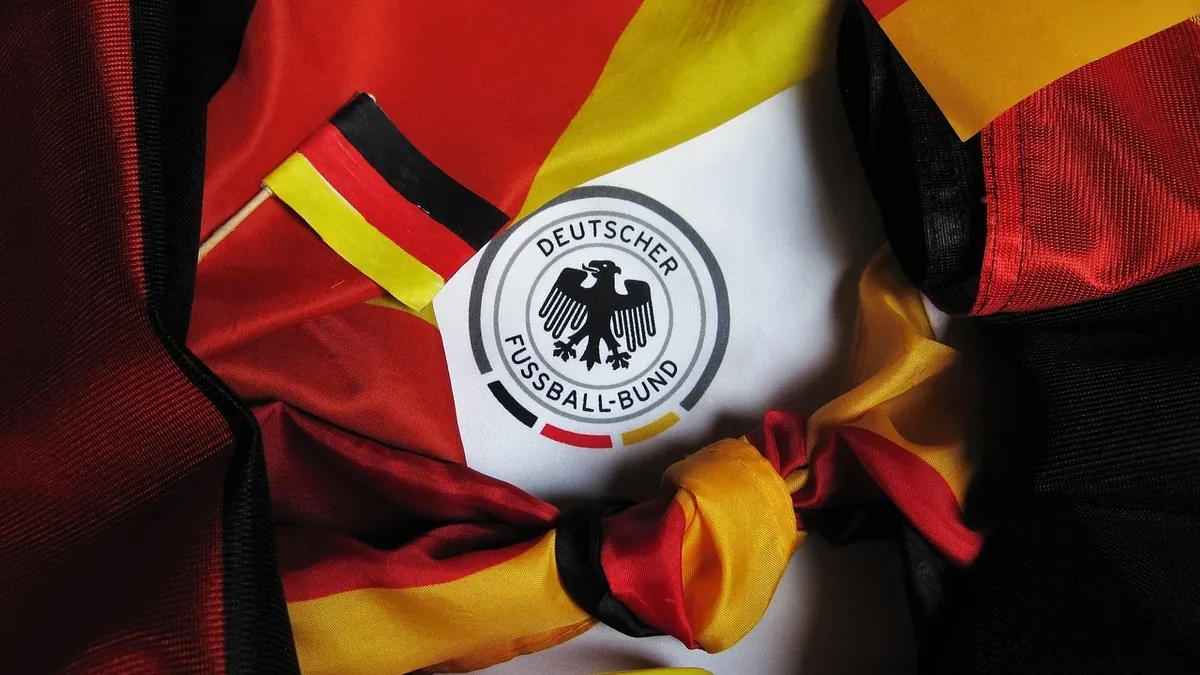
Football Shirt Culture And Blokecore
| Brand | Football Shirt Culture and Blokecore |
|---|---|
| Original use | Archiving and documenting football shirt releases and associated streetwear trends. |
| First created | 2010s (decade) |
| Country of origin | United Kingdom |
| Platform | Social media and blog |
| Content focus | Association football kit releases and vintage fashion. |
Origin and history
Football Shirt Culture is a broad, long-standing global phenomenon centered on the collection and wearing of official association football jerseys. Its origins are intrinsically linked to the commercialization of sportswear in Europe, particularly England, during the late 19th and early 20th centuries as clubs began to adopt standardized kits. The culture evolved significantly from the 1970s onwards with the rise of terrace fashion, where fans used shirts as a key part of their subcultural identity. The specific term "Blokecore" emerged much later, coined online in the 2020s to describe a nostalgic, aesthetic-driven revival of this style. This micro-trend was born on social media platforms, primarily TikTok and Instagram, where users began curating outfits around vintage football shirts. While the core item, the football shirt, has a deep history, Blokecore as a named fashion trend is a distinctly 21st-century digital creation.
What it is for
Football Shirt Culture primarily serves as a means of fan identity, loyalty, and community belonging, allowing supporters to visually align themselves with a specific team, player, or era. For collectors, it functions as a form of historical preservation and personal archiving of sportswear design and manufacturing history. The shirts themselves are designed as functional athletic wear for playing football, constructed from lightweight, breathable fabrics to manage moisture and allow for movement. Within the Blokecore trend, the football shirt is repurposed as a foundational fashion item, detached from its game-day context and used to build a casual, nostalgic outfit. The culture also encompasses a significant secondary market for buying, selling, and trading rare or out-of-production shirts, treating them as commodities. Ultimately, it provides a tangible connection to the sport, whether for emotional fandom, aesthetic expression, or financial investment.
Overview
The culture encompasses the passionate acquisition and wearing of official football kits, ranging from current season releases to rare vintage pieces from decades past. Key players include major sportswear manufacturers like Nike, Adidas, and Puma, who produce licensed kits for countless clubs and national teams worldwide. A significant aspect is the focus on shirt details, such as sponsor logos, manufacturer branding, crest designs, and specific collar or sleeve constructions that denote authenticity and era. The Blokecore aesthetic specifically pairs a football shirt, often a vintage or retro design, with classic casualwear staples like blue jeans, tailored trousers, or shorts, and footwear such as Adidas Samba or Gazelle sneakers. Online communities on platforms like Instagram, dedicated forums, and YouTube channels are central to the modern culture, facilitating discussion, valuation, and trade. The trend has influenced mainstream fashion, leading to high-street retailers producing football-inspired apparel and high-fashion collaborations with sportswear brands.
What to know
Authenticity is paramount; collectors scrutinize tags, sponsor placement, fabric composition, and even stitching patterns to verify a shirt is an official replica or match-worn issue, not a counterfeit. Shirt values are highly volatile and depend on factors like club significance, player association (especially if a legendary player wore it), rarity of the design, and overall condition, with deadstock (never worn) items commanding the highest premiums. The concept of "matchworn" shirts, those actually used in a professional game, exists at the top tier of collecting, often accompanied by provenance certificates. Blokecore, as a style, is intentionally uncomplicated and leans into a specific, often working-class or '90s-inspired, aesthetic that can sometimes clash with modern minimalist fashion sensibilities. Caring for these garments, particularly older polyester versions, requires specific knowledge, such as washing inside out in cold water and avoiding dryers to prevent cracking of printed logos and numbers. Engaging with the community often requires understanding a shared vocabulary of terms like "grail," "player issue," "retro," and "third kit."
Common questions
A common question is how to determine the value of a specific shirt, which requires research into completed sales on auction sites, specialist vintage dealers, and community price-check threads rather than relying on arbitrary listing prices. People often ask where to reliably buy vintage shirts, with recommendations typically including dedicated online marketplaces, physical vintage sportswear stores in major cities, and trusted sellers within established online communities. Many newcomers inquire about the difference between a standard replica fan shirt and a more expensive player-issue or match-worn shirt, which involves details like fabric technology, cut, and often the presence of official competition patches. A frequent point of confusion is the dating of a shirt without a clear season label, which is done by cross-referencing design elements, sponsor logos, and manufacturer branding with known club kit histories. Individuals exploring the Blokecore style often ask how to style a football shirt without looking like they are going to a match, leading to advice about balancing it with smarter casual separates and avoiding team scarves or hats. Questions about restoration, such as fixing cracked heat-pressed lettering or removing stains from delicate older fabrics, are common, with answers often stressing the risk of permanent damage and recommending specialist services.
Pros and cons
A significant pro is the deep sense of community and shared passion found among collectors and enthusiasts, both online and at in-person events or matches, creating a global network. The hobby can be a tangible investment, with certain rare shirts appreciating considerably in value over time, though this is unpredictable and requires expert knowledge. Wearing a shirt, particularly within the Blokecore framework, allows for expressive, comfortable, and relatively affordable personal style rooted in cultural nostalgia. A major con is the prevalence of sophisticated counterfeits and fraudulent sellers, especially online, which can lead to significant financial loss for inexperienced buyers. The trend-driven nature of Blokecore can lead to rapid inflation of prices for specific "hype" shirts, pricing out long-term fans and distorting the collector's market based on fashion rather than historical significance. Many who enter the culture for purely aesthetic reasons regret not understanding the emotional weight and tribal history attached to certain club shirts, potentially leading to social missteps or accusations of "plastic" fandom.
Who it suits
This culture suits dedicated football fans who wish to extend their support beyond the stadium and into their daily wardrobe, viewing shirts as wearable memorabilia. It appeals to fashion-conscious individuals, particularly those interested in streetwear, nostalgia-driven aesthetics, and the irony of elevating sportswear to high fashion, as seen in the Blokecore trend. Serious collectors and archivists with an interest in sport, design history, and textile manufacturing find it rewarding, enjoying the detective work of authentication and historical research. It is well-suited to those who enjoy the thrill of the hunt, whether scouring thrift stores, online auctions, or flea markets for unexpected finds and rare pieces. The community aspect suits people who seek connection and discussion with like-minded individuals, valuing shared knowledge and camaraderie over mere acquisition. It is less suited to those seeking a purely financial investment with guaranteed returns, or to individuals uncomfortable with the often tribal and passionately partisan nature of football fandom that underpins much of the culture.
Latest Football Shirt Culture And Blokecore news
Latest reporting

Zalando's Bread&&Butter Festival Merged Streetwear and Music
Zalando's Bread&&Butter festival in Berlin from 2016-2018 blended fashion drops, music, and youth culture. It drew over 30,000 attendees annually for...
Patagonia Relaunches Its Original Rugby Shirt
Patagonia has quietly re-released its foundational Long-Sleeved Rugby Shirt, the brand's first-ever apparel product, for $139.
Buffer Drops Fast Times at Ridgemont High Capsule
Buffer's collaboration with the 1982 film Fast Times at Ridgemont High launches on September 5, featuring three graphic T-shirt designs and original...
KidSuper x Havaianas launch football sandals
KidSuper and Havaianas launch a four-piece sandal collection merging football culture with avant-garde art. The release is headlined by a green...

Eccentrica Brings High-Octane Restomods to Monterey Car Week
Eccentrica, the Italian restomod specialist, made a splash at Monterey Car Week with its latest Roadster, blending classic supercar charm with modern...