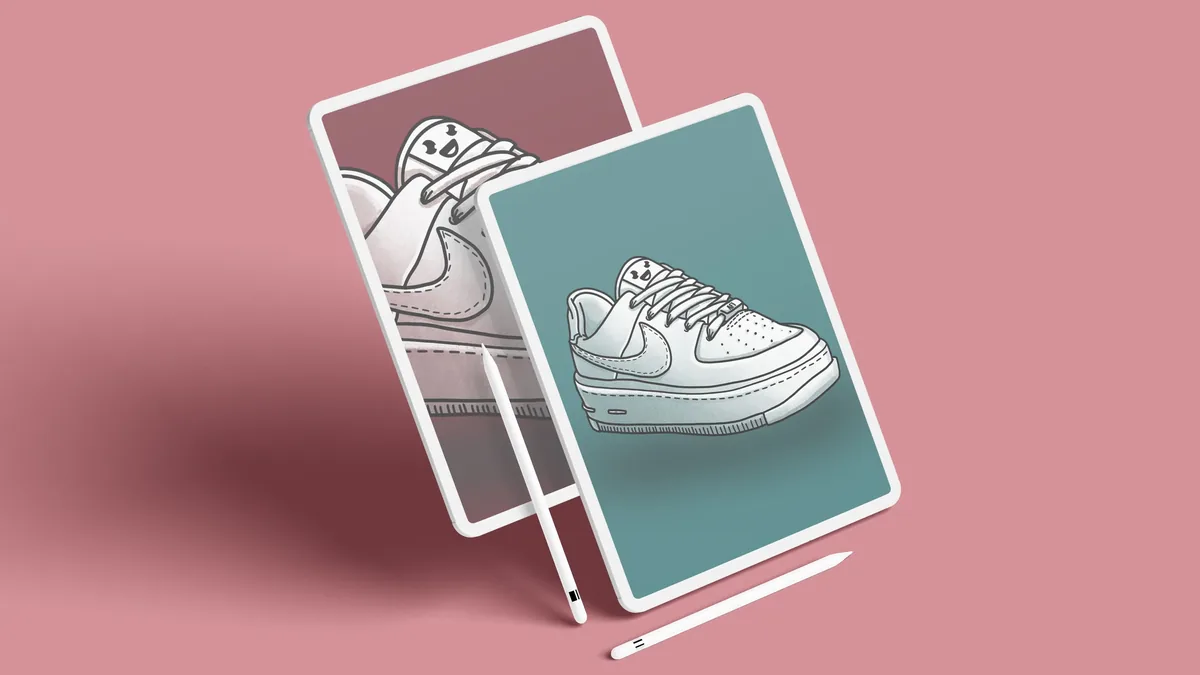
Snkrs And Confirmed Entry Mechanics
| Brand | Nike, Inc. |
|---|---|
| First created | 2010s |
| Original use | Digital raffle platform for limited-release sneakers |
| Entry mechanics | Draw-based (raffle) |
| Typical entry window | Several hours to a day before drop |
| Outcome notification | Near or after the announced drop time |
| Platform availability | Smartphone application |
Origin and history
Snkrs is a mobile application created by the American sportswear company Nike, Inc. The app was launched in the early 2010s, specifically developed to serve as a dedicated platform for the release of limited-edition sneakers and apparel. Its creation was a direct response to the growing digital demand within the sneaker culture, which had previously relied on physical lineups and scattered online releases. The Confirmed app was developed by the German sportswear company adidas and launched in the mid-2010s as its own answer to managing high-demand product launches. Both platforms emerged from the need to control the chaotic process of selling highly anticipated, limited-quantity products, often referred to as "drops." Their development marked a significant shift in how major brands interacted with consumers in the digital marketplace for exclusive goods.
What it is for
The Snkrs and Confirmed apps are specifically designed for the orchestrated release, or "drop," of limited-edition footwear and apparel from their respective brands. Their primary function is to manage overwhelming consumer demand for products that are intentionally produced in small quantities to create exclusivity. These applications serve as a centralized, brand-controlled storefront where these exclusive items are made available for purchase at a predetermined date and time. They aim to provide a fairer, more organized purchasing process compared to traditional first-come, first-served online sales, which were prone to website crashes and bot activity. The apps also function as marketing and content hubs, providing detailed product stories, launch information, and brand narratives around each release. Furthermore, they collect user data and engagement, helping the brands understand their most dedicated customers and tailor future offerings.
Overview
Both Snkrs and Confirmed operate on a similar core principle: users must enter a draw or lottery for the chance to purchase a product, rather than simply adding it to a cart. On Snkrs, this is typically known as a "Draw" or "LEO" (Launch Electronic Online) entry, where users register within a specified window before the winner selection. The Confirmed app uses a similar reservation system, often requiring users to indicate their interest within a timeframe before a random selection process occurs. Entry does not guarantee a purchase; it only provides a chance to be selected as a winner who is then granted a short window to complete checkout. The apps notify users of both successful and unsuccessful entries, with the entire process from entry to notification taking place within the application. This model is distinct from a standard e-commerce experience and is entirely focused on managing scarcity and hype for specific products.
What to know
Users must download the respective app and create an account with accurate personal and payment information pre-loaded to participate successfully. Entry windows for draws are strictly time-limited, often opening for 10-30 minutes, and missing this window means missing the chance for that release entirely. Geographic restrictions apply; not all releases are available in all countries or regions through the apps, and local time zones for launch times are critical. A stable internet connection is essential, as app performance can degrade due to high traffic during major releases, potentially affecting entry submission. Creating multiple accounts or using automated software ("bots") to enter draws violates the terms of service and can result in permanent bans from the platform. Success rates are extremely low for the most hyped products, and participation should be viewed as a lottery with a high probability of not winning, rather than a guaranteed purchase opportunity.
Common questions
A common question is whether having multiple accounts increases one's chances of winning a draw, which it does not, as brands employ detection methods to link duplicate accounts and disqualify entries. Users often ask if faster internet or clicking the entry button the instant it opens improves odds, but the random draw mechanism means timing within the entry window does not affect selection. People frequently wonder about the fairness of the system, questioning if all entries truly have an equal chance or if certain user profiles are prioritized, though brands consistently state the process is randomized. Another regular inquiry concerns what happens after a successful entry, which typically involves receiving a notification and having a very limited time, often 10-15 minutes, to confirm payment and shipping details. Users also ask about the resale market, as these apps are the primary source for retail-priced items that are later sold for much higher prices on secondary platforms. Finally, individuals seek clarification on release schedules, which are usually announced within the app or on brand social media channels, not on a standard weekly calendar.
Pros and cons
A significant pro of these systems is the centralized and organized approach to high-demand releases, reducing the chaos of crashing websites and providing a clear, brand-authentic pathway to products. They offer a perceived increase in fairness through randomization, giving every entrant within the window an equal theoretical chance compared to pure speed-based sales. The apps also create a direct relationship between the brand and the end-user, cutting out intermediaries and providing a rich platform for product storytelling. A major con is the extremely low probability of success, which can lead to significant user frustration and a feeling of wasted time after repeated unsuccessful entries. The system is not immune to technical flaws, including app glitches during high traffic, payment processing failures after a win, and the ongoing arms race against sophisticated bot developers who still find vulnerabilities. Many users regret the time and emotional investment put into the process, describing it as a gambling-like cycle that rarely pays off, while also feeling pressured to have payment details stored on file for a fleeting chance to buy.
Who it suits
This system best suits dedicated enthusiasts of the Nike or adidas brands who are deeply engaged with sneaker culture and seek the legitimacy of purchasing directly from the source. It is appropriate for consumers who understand and accept the lottery-style model, who are not frustrated by low odds, and who participate for the experience as much as the product. The apps suit individuals who are organized, able to track release calendars, set reminders for entry windows, and have their financial and shipping information ready and updated. They are a necessary tool for anyone aiming to purchase limited-edition items at their original retail price, as this is often the sole official channel. The system is less suitable for casual shoppers who simply want to buy a pair of shoes, as the process is complex and the general inventory is limited. It is also a poor fit for those with unreliable internet connections or older smartphones, as technical performance during launches is critical, and for individuals who become easily discouraged by frequent losses in random draws.
Latest Snkrs And Confirmed Entry Mechanics news
Latest reporting

Lil Luv Dog Launches Clean Beauty for Dogs
Pet beauty brand Lil Luv Dog debuts its liquid shampoo and leave-in conditioning mist at Selfridges, marking its UK entry.
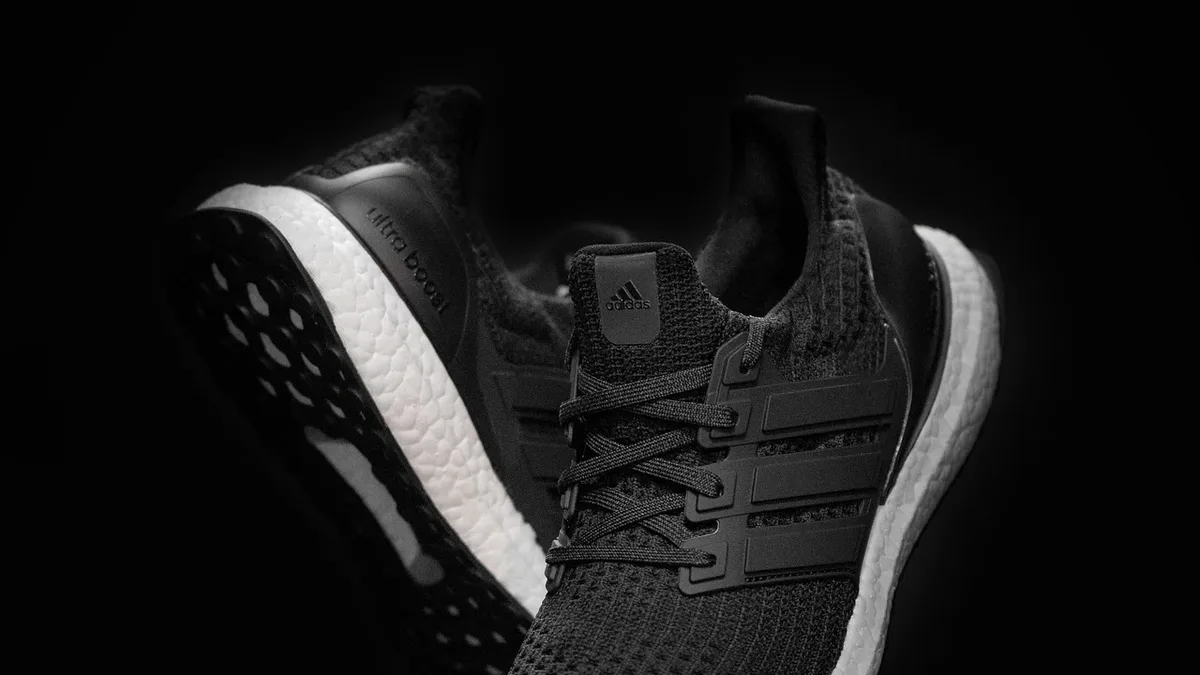
adidas Futurecool 3D shoe campaign styled by
Adidas's Futurecool 3D-printed sneaker, styled by Dazed's Mirko Pedone, launches globally in April 2027. A raffle opens August 28 on the CONFIRMED...