Salomon And Outdoor Crossover
| Brand | Salomon And Outdoor Crossover |
|---|---|
| First created | 2020s |
| Category | Collaborative product collection |
| Collaborators | Salomon, And Wander |
| Original use | Crossover outdoor apparel and footwear |
| Typical products | Apparel, footwear, accessories |
| Release pattern | Limited seasonal drops |
Origin and history
Salomon is a French brand, founded in the French Alps in 1947. The company originated in Annecy, a region deeply connected to mountain sports and craftsmanship. Initially, Salomon focused on manufacturing ski edges and other metal ski components, establishing a reputation for technical innovation in winter sports. The brand's expansion into footwear began decades later, leveraging its expertise in bindings and ski boots. The specific "Outdoor Crossover" category is not a single product line but a design philosophy that emerged from Salomon's broader foray into trail running and hiking footwear in the late 20th and early 21st centuries. This approach blends technologies and aesthetics from different athletic disciplines to create versatile footwear for varied terrain.
What it is for
Salomon's Outdoor Crossover footwear is designed for activities that transition between different surfaces and disciplines, such as moving from a trail run to a hike or from a mountain path to urban streets. These shoes prioritize versatility, offering traction and stability suitable for off-road conditions while maintaining a level of comfort and style for casual wear. They are intended for individuals who engage in multi-activity days or who seek a single pair of shoes for light athletic use and everyday adventures. The design often incorporates protective elements like toe caps and water-resistant materials for unpredictable outdoor conditions. Their construction aims to provide adequate support for uneven ground without the excessive stiffness of a dedicated hiking boot. Ultimately, they serve as a bridge between performance sportswear and general outdoor apparel.
Overview
Salomon's Outdoor Crossover products typically feature the brand's signature SensiFit construction, which cradles the foot for a secure fit, and Contagrip outsoles for durable traction on mixed surfaces. Many models incorporate Quicklace systems for easy, one-pull tightening and a streamlined look. The uppers often use synthetic fabrics, mesh, and sometimes waterproof membranes like Gore-Tex, though not all models are fully waterproof. The midsole technology, such as EnergyCell, is derived from Salomon's running line to provide cushioning that is responsive enough for running but stable for hiking. The aesthetic is distinctly technical, with bold colors, asymmetrical lines, and visible structural elements that signal their performance heritage. This category sits distinctly between the brand's high-performance trail running shoes and its heavier-duty hiking boots.
What to know
The fit of Salomon footwear is generally considered to be precise and somewhat narrow, particularly in the heel and midfoot, which may not suit wide feet. The Quicklace system is durable and efficient but cannot be micro-adjusted in the same way as traditional laces, which some users find limiting for fine-tuning fit. While the outsoles provide excellent grip on trails, wet rock, and mud, they can wear down relatively quickly if used extensively on abrasive surfaces like pavement. The water-resistant models improve weather protection but reduce overall breathability, which can be a trade-off in warm conditions. Salomon's product naming conventions (e.g., XA Pro, X-Ultra, Outline) denote different levels of cushioning, protection, and intended use, so understanding these subtleties is key. The brand's repair and recrafting options are limited compared to some traditional boot makers, as the shoes are largely constructed with bonded materials.
Common questions
A common question is whether these shoes are suitable for serious, multi-day backpacking with heavy loads, and the general consensus is that they lack the ankle support and rigid structure required for such tasks. People often ask if they can be used for road running, and while possible, the aggressive lug patterns are designed for soft ground and may feel awkward or wear prematurely on asphalt. Many potential buyers inquire about sizing, and it is widely recommended to try them on or consider sizing up, especially for long-distance use where feet may swell. There is frequent confusion about the difference between water-resistant and waterproof models, with the former offering protection from splashes and light rain and the latter featuring sealed seams for more sustained wet conditions. Users commonly ask about cleaning the Quicklace system, which can be done with a damp cloth but should not be submerged or machine washed. Another recurring question concerns durability, which varies by model but is generally in line with other technical footwear, lasting for several hundred miles of mixed use.
Pros and cons
A significant pro is the exceptional out-of-the-box comfort and precise, secure fit for those with compatible foot shapes, which minimizes break-in time. The traction on loose and technical terrain is reliably superior to standard sneakers, inspiring confidence on variable trails. The integrated lacing systems provide a clean, snag-free profile and consistent tension, which is a notable advantage over traditional laces. A primary con is the narrow fit, which can cause discomfort or hot spots for individuals with wider feet, making the shoes a poor choice without trying them on first. The cushioning, while good for running and day hiking, can bottom out or lack sufficient support for heavier loads or very long distances, leading to foot fatigue. Some users regret choosing a waterproof model for general use, as it can make the shoes unnecessarily warm and less breathable for dry-weather activities, representing a common mistake in selection.
Who it suits
This footwear suits the agile day hiker or fastpacker who prioritizes light weight and ground feel over maximum protection and ankle support. It is ideal for the urban dweller who regularly travels to trails and wants a single shoe for the journey and the activity, avoiding the need to change footwear. The trail runner who incorporates hiking sections into their outings or who wants a more protective shoe for technical terrain will find the crossover design beneficial. It suits individuals with a narrow to medium foot volume who struggle to find athletic shoes that provide a secure, locked-down heel without excessive volume. The aesthetic appeals to those who appreciate a technical, performance-oriented look in their casual wear and do not mind the associated branding. It is less suited for traditional backpackers, those with very wide feet, or users seeking a shoe with a long lifespan for primarily hard-surface use.
Latest Salomon And Outdoor Crossover news
Latest reporting
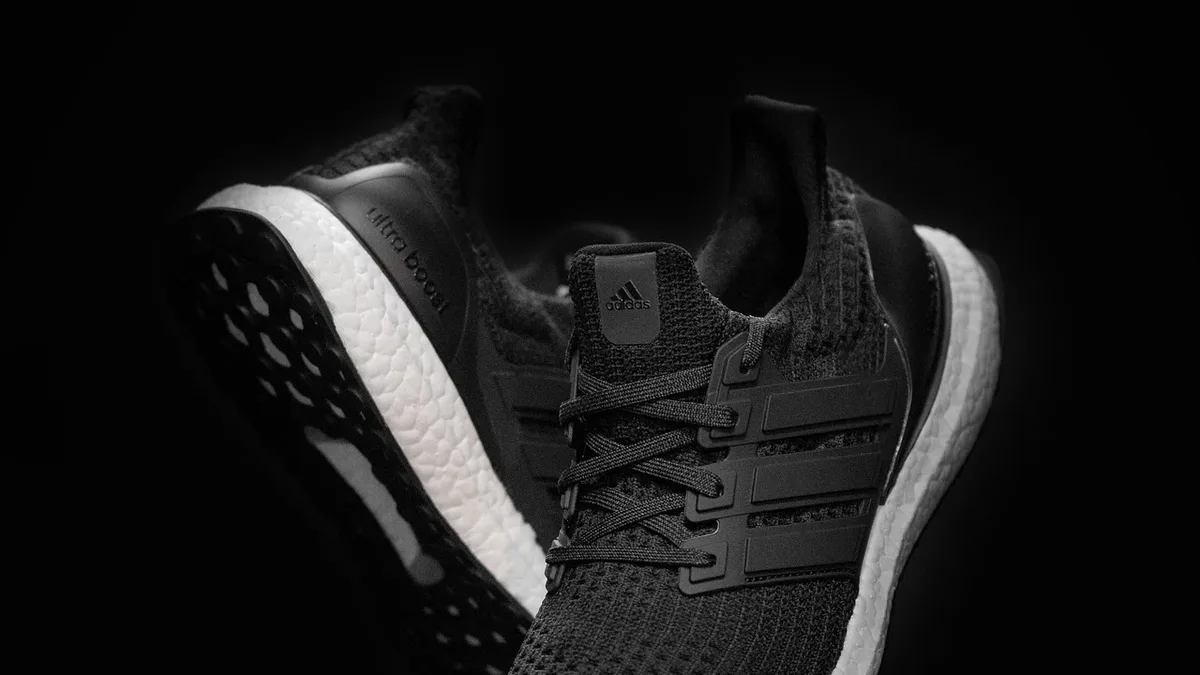
Sneaker Drops This Week: adidas, Saucony, Salomon
Seven major sneaker releases are scheduled for this week, including collaborations from adidas with Tyrrell Winston and Simone Rocha, a Saucony...
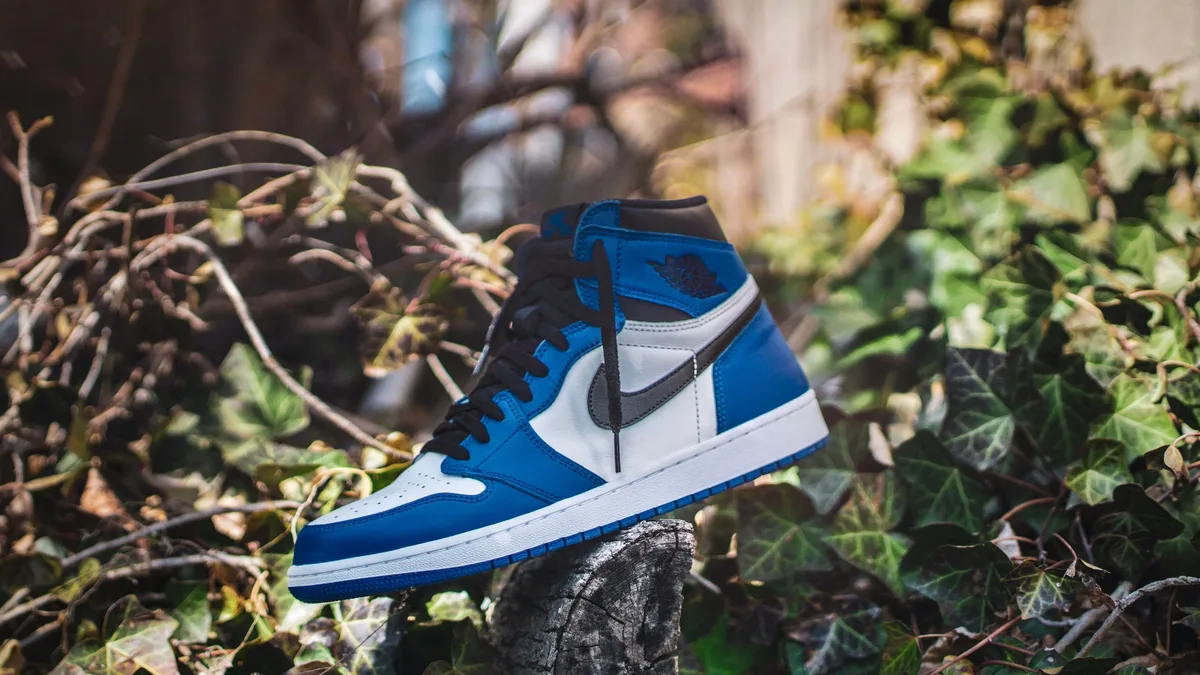
Nike Baltoro High Returns in Cave Stone Colorway
Nike is reviving its Baltoro High sneaker in a 'Cave Stone/Mystic Hibiscus' colorway for September 2026. The $145 release draws on the model's 1990s...
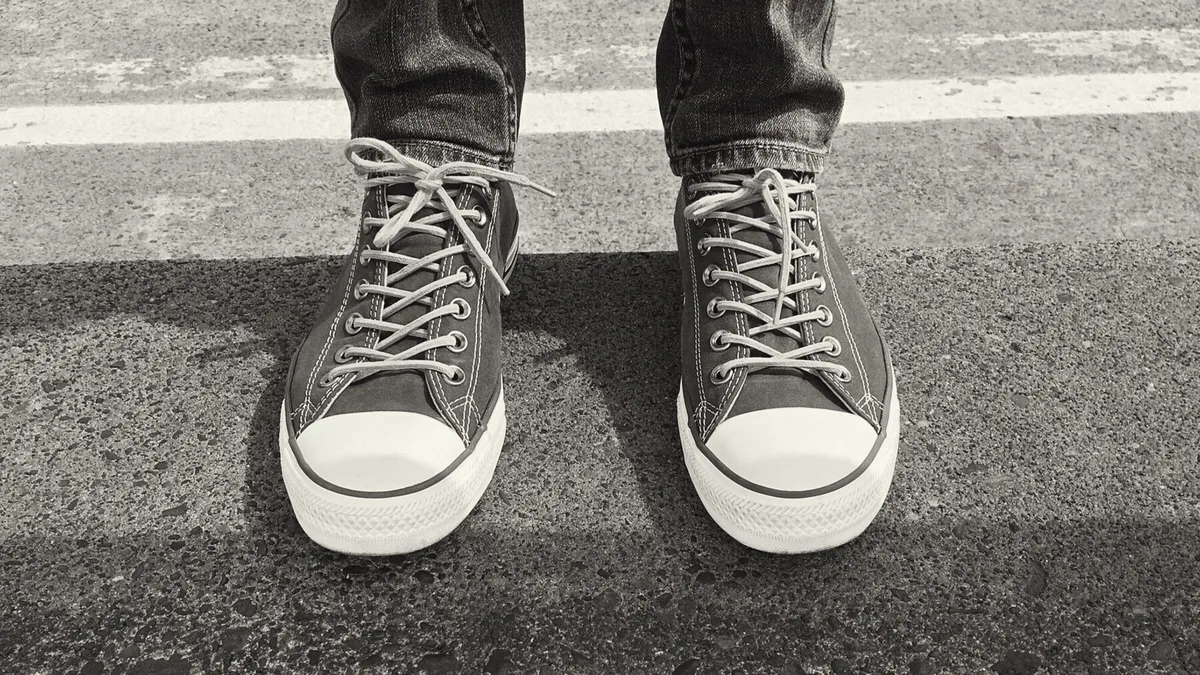
Nike's Foamposite Tennis Crossover Returns
Nike's Vapor x Posites are back, this time with a wider release.
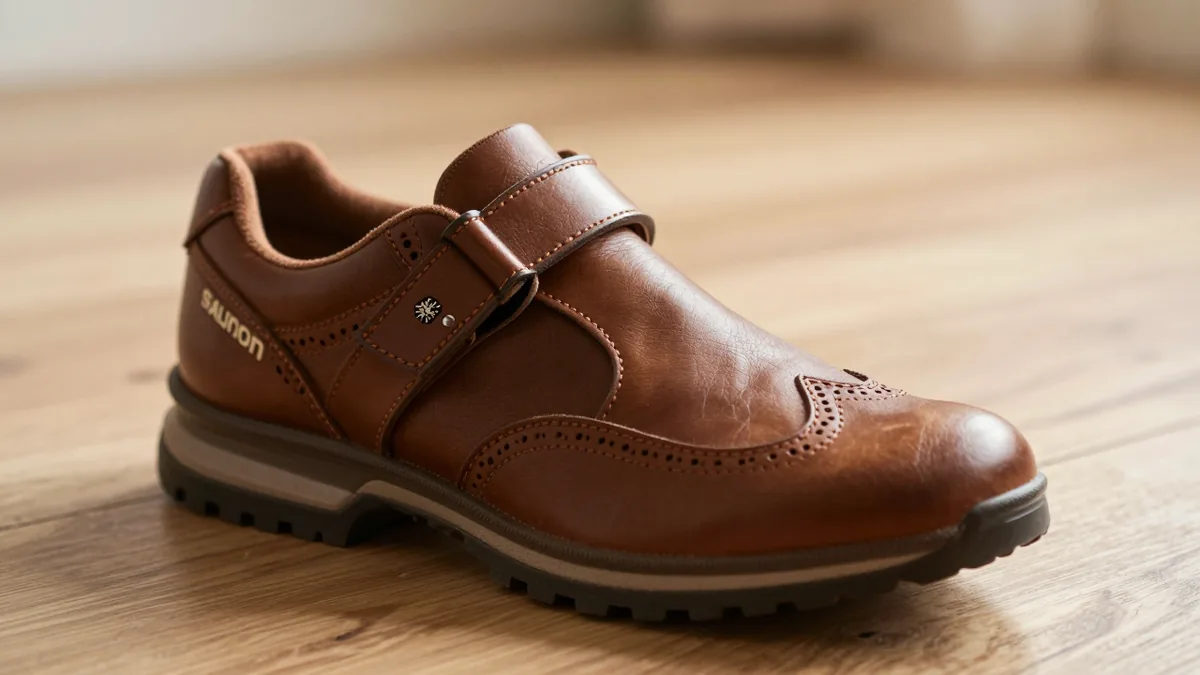
Salomon's Luxe Brown Mary Jane Sells Out in Latest Drop
Salomon's 'Alpine Echoes' collection features a luxurious brown Mary Jane sneaker that has already sold out on the brand's website.