Rave And Club Culture
| Brand | Rave And Club Culture |
|---|---|
| Country of origin | United Kingdom |
| First created | 1990s |
| Original use | Nightclub and festival wear |
| Style | Bold, graphic, utilitarian |
| Typical materials | Nylon, polyester, technical fabrics |
| Product range | Bags, jackets, trousers, accessories |
| Sizing | UK standard, often unisex |
Origin and history
Rave and club culture originated in the late 1980s, primarily in the United Kingdom and the United States. Its foundations are deeply rooted in earlier underground dance music scenes, including disco, funk, and the electronic body music of the early 1980s. The culture emerged as a distinct social phenomenon alongside the development of new electronic music genres like house and techno. It was a direct response to the commercialization of mainstream nightlife, seeking to create alternative, member-organized events. These early raves were often held in unauthorized locations such as warehouses, fields, and abandoned buildings. The movement spread rapidly across Europe and North America throughout the 1990s, evolving in tandem with musical styles like acid house, drum and bass, and trance.
What it is for
Rave and club culture serves as a collective, immersive experience centered around electronic dance music and a shared social identity. Its primary function is to provide a space for communal celebration, escapism, and self-expression through music, dance, and visual art. The culture facilitates a temporary alternative community, often operating outside of conventional social and commercial structures. It is for experiencing music in a physically intense, often all-night environment where the DJ or live act is the focal point. The culture also functions as a platform for the adoption and dissemination of specific fashion, slang, and behavioral codes. Furthermore, it has historically been a venue for the exploration of psychoactive substances, which has become a defining, though not universal, aspect of its reputation.
Overview
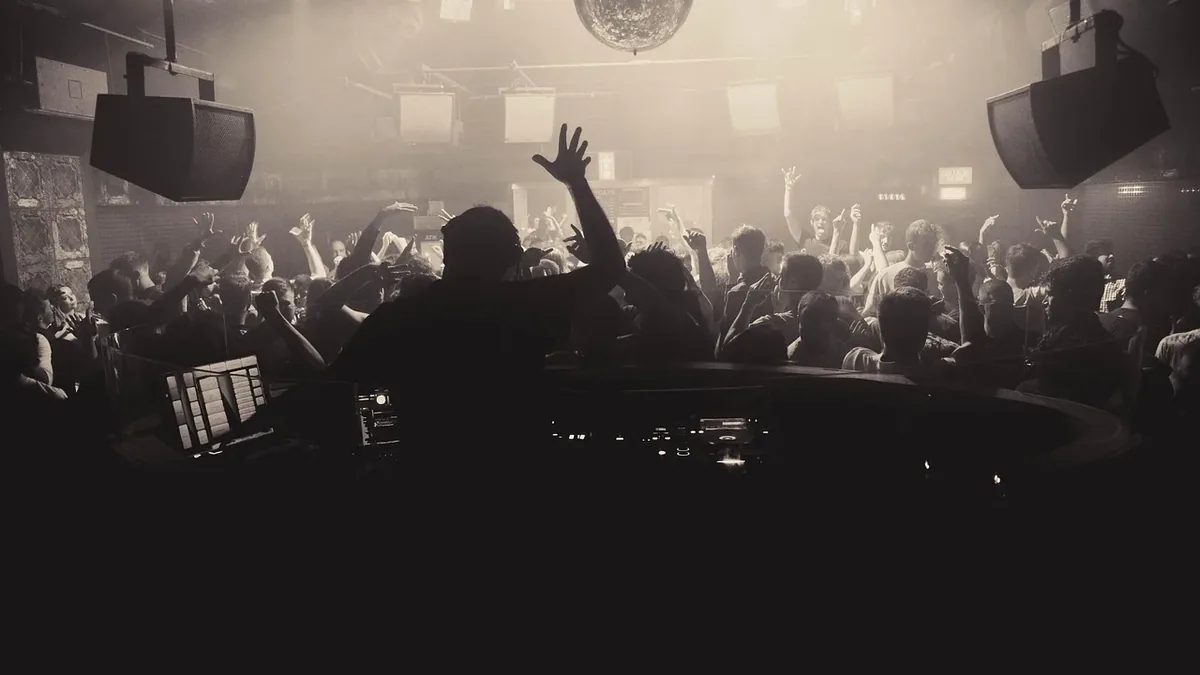
Rave and club culture is a broad, global youth-oriented movement defined by its music, venues, and distinctive social practices. The core activity revolves around attending events where pre-recorded or live electronic music is played at high volume for a dancing audience. Key elements include elaborate sound systems, synchronized light shows, laser displays, and sometimes video projections or other visual effects. The culture maintains a strong DIY ethic in its underground forms, while also existing in highly commercialized iterations within licensed nightclubs and festival circuits. It has generated its own fashion aesthetics, ranging from practical and comfortable clothing for dancing to flamboyant, neon-colored, and futuristic styles. The social structure is typically egalitarian and non-hierarchical during events, with an emphasis on shared experience and the principles of Peace, Love, Unity, and Respect (PLUR).
What to know
The legal status of rave events has been a point of contention for decades, with many jurisdictions implementing specific laws targeting unlicensed gatherings and sound equipment. A central tenet of the culture is the concept of the "chill-out" room, a quieter space separate from the main dance floor for attendees to rest and socialize. The role of the DJ is paramount, often viewed as a shamanic figure guiding the energy and journey of the crowd through musical selection and mixing. Flyers and later, online social networks, are essential for disseminating information about secret locations and lineups, often released only shortly before the event. The culture has a complex relationship with drug use, particularly substances like MDMA (ecstasy), which has influenced both the music's emotional texture and public health policies. Understanding the difference between underground, free-party scenes and commercial club nights is crucial, as they represent significantly different social and economic models.
Common questions
What is the difference between a rave and a regular nightclub? A rave typically refers to a large, often unlicensed event in a temporary location, while a nightclub is a permanent, licensed venue. How do I find out about underground raves? Information is usually shared through closed social media groups, trusted online forums, and word-of-mouth within the community. What does PLUR stand for? PLUR is an acronym for Peace, Love, Unity, and Respect, representing a core philosophical code of conduct within the culture. Is drug use mandatory at these events? No, drug use is a prevalent aspect for some participants, but many attend solely for the music and social atmosphere without using substances. What should I wear to a rave? Comfortable shoes and clothing suitable for hours of dancing are essential, with many opting for expressive, colorful, and unconventional fashion. Are raves safe? Safety varies greatly; legitimate clubs have security and medical staff, while underground events may lack these resources, requiring personal vigilance and a buddy system.
Pros and cons
A significant advantage of rave and club culture is its capacity to foster a powerful sense of belonging and collective joy among diverse participants. The immersive environment, combining music, lights, and crowd energy, can produce profound, memorable experiences that are highly valued by attendees. The culture has been a primary driver for innovation in electronic music production, DJ technology, and event production. A major con is the persistent association with illegal drug use, which carries risks of addiction, adverse health effects, and legal consequences for individuals. The physical environment can be overwhelming, with risks of hearing damage, dehydration, and exhaustion from prolonged dancing in often hot, crowded spaces. Many participants regret the financial cost, as commercial events and festival tickets can be prohibitively expensive, while the underground scene can be difficult to access reliably. A common mistake is for newcomers to overestimate their stamina and fail to prepare adequately with water, rest, and planning for transportation.
Who it suits
This culture suits individuals who are deeply passionate about electronic music and seek a physical, communal way to engage with it. It appeals to those who enjoy late-night socializing, dancing as a primary form of expression, and immersive sensory experiences. People who value alternative social spaces and non-mainstream fashion often find a welcoming community within the scene. It is well-suited to those with the physical stamina to endure long hours of activity, often through the night and into the morning. The culture attracts individuals interested in the intersection of technology, art, and social experimentation. It is less suited for those who require quiet, structured environments, have a low tolerance for crowds and loud noise, or are uncomfortable with the prevalent associations with psychoactive substances.
Latest Rave And Club Culture news
Latest reporting

Zalando's Bread&&Butter Festival Merged Streetwear and Music
Zalando's Bread&&Butter festival in Berlin from 2016-2018 blended fashion drops, music, and youth culture. It drew over 30,000 attendees annually for...

Denim Tears x Billionaire Boys Club Drop Arrives
Denim Tears releases its second Fall/Winter 2026 drop, a Billionaire Boys Club collaboration, on September 4. The collection is inspired by André...

KidSuper x Havaianas launch football sandals
KidSuper and Havaianas launch a four-piece sandal collection merging football culture with avant-garde art. The release is headlined by a green...

Eccentrica Brings High-Octane Restomods to Monterey Car Week
Eccentrica, the Italian restomod specialist, made a splash at Monterey Car Week with its latest Roadster, blending classic supercar charm with modern...