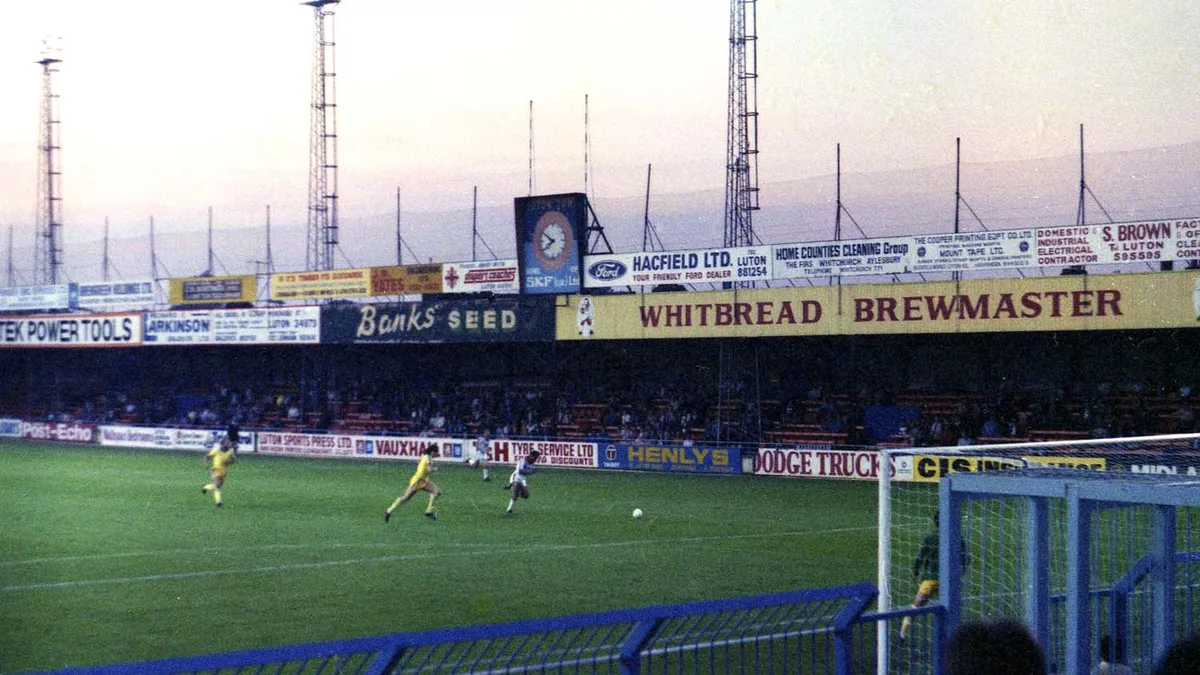
Football Casuals And Terrace Wear
| Brand | Football Casuals and Terrace Wear |
|---|---|
| Country of origin | United Kingdom |
| First created | Late 1970s |
| Original use | Streetwear for football supporters |
| Style | Sports-casual |
| Common garments | Track tops, polo shirts, trousers, jackets |
| Associated subculture | Football casuals |
Origin and history
Football Casuals And Terrace Wear originates from the United Kingdom, with its cultural roots firmly in the working-class football fan communities of England and Scotland. The style emerged and crystallized during the late 1970s and throughout the 1980s, paralleling the rise of football hooliganism and the international travel of supporters following their clubs. It was not a single commercial brand but a grassroots adoption of specific, often expensive, European sportswear labels by young British men. This adoption was a deliberate move away from traditional team scarves and jerseys to a smarter, less identifiable look that avoided police attention. The clothing served as a uniform and a status symbol within these groups, with particular items becoming highly coveted. The term "casual" itself became the identifier for both the subculture and its associated style of dress, which has since evolved but retains its core references.
What it is for
Football Casuals And Terrace Wear is for expressing affiliation, identity, and status within the specific subculture of football supporters, particularly those associated with the casual scene. Its primary function is to serve as a non-official, yet deeply coded, uniform that signifies membership in a particular group or firm, often without displaying obvious club colors. The clothing is designed for practicality and smartness in urban environments, both on match days and in social settings, moving away from the traditional football fan aesthetic. It is for creating a distinct identity that separates the wearer from mainstream fashion while adhering to its own strict, unwritten rules. The wear is also for signaling knowledge and authenticity through the selection of specific, often niche, brands and rare items. Furthermore, it functions as a means of competition and one-upmanship, where owning and wearing the latest or most exclusive gear confers social capital within the scene.
Overview
Football Casuals And Terrace Wear encompasses a specific and enduring style of menswear centered on high-quality sportswear, clean design, and understated luxury labels. The look is characterized by items such as polo shirts, tracksuit tops, windbreakers, smart trousers like Sta-Prest, and premium training shoes from brands like Adidas, Nike, and Ellesse. Outerwear, particularly designer jackets from brands like Stone Island, C.P. Company, and Aquascutum, became and remains a cornerstone of the aesthetic, noted for their distinctive badges and advanced fabrics. The overall impression is one of neat, coordinated, and expensive sportswear, deliberately avoiding loud logos or overt football club symbolism. This style has periodically influenced mainstream fashion, with elements appearing on high-fashion runways, but its core remains tied to its subcultural roots. The scene is governed by unspoken rules about what is currently "in" or "out," with these trends shifting often based on brand releases and collective consensus.
What to know
It is crucial to know that Football Casuals And Terrace Wear is governed by a complex and often unwritten set of rules regarding brand authenticity, item rarity, and seasonal appropriateness. Knowledge of the history of specific brands, such as the significance of a Stone Island compass patch or a C.P. Company Goggle Jacket, is a key marker of authenticity within the subculture. The scene places extreme importance on the concept of being "clued up," meaning being aware of the latest releases, re-issues, and which vintage items are currently desirable. Wearing the wrong item, a fake, or a brand that has fallen out of favor can lead to social ostracization within these groups. The style is almost exclusively male-dominated, with a very specific set of garment types and fits that have remained consistent for decades. Furthermore, while the clothing is expensive, displaying wealth overtly is considered poor form; the status is conveyed through subtle knowledge and wearing the correct item correctly, not through blatant branding.
Common questions
A common question is whether one must be a football hooligan to wear this style, to which the answer is no, as the fashion has been adopted by many with no connection to football violence but who appreciate the aesthetic. People often ask which brands are considered essential, with core labels historically including Stone Island, C.P. Company, Lacoste, Fred Perry, Sergio Tacchini, and Adidas Originals, though this list evolves. Many inquire about how to start dressing in the style, with the consistent advice being to research its history, observe current trends, and start with classic, understated pieces rather than head-to-toe branded looks. A frequent point of confusion is the difference between terrace wear and mainstream sportswear, the key distinction being the specific cultural coding and historical brand associations within the casual scene. Questions also arise about the cost, and it is widely acknowledged that authentic participation in the scene requires significant financial investment due to the premium pricing of the required brands. Finally, people often ask if the style is still relevant, and it remains a vibrant, self-sustaining subculture with its own media, retailers, and dedicated followers, continually referencing its past while incorporating new items.
Pros and cons
A significant pro is the strong sense of community and identity the style provides for those within the subculture, offering a clear set of norms and a shared history. The clothing itself is often of high technical quality, durable, and designed with functionality, from weather-resistant fabrics to practical pockets. A major con is the substantial and ongoing financial cost, as keeping up with the rapidly changing trends requires frequent purchases of premium-priced items. The scene can be intensely judgmental and exclusionary, where a minor misstep in brand choice or item combination can mark someone as an inauthentic "try-hard" or "label whore." Many who enter the scene without deep cultural understanding regret the investment when they find the social barriers and unspoken rules impenetrable or stifling. A common mistake is purchasing obvious counterfeit items or wearing out-of-favor brands, which can lead to ridicule and effectively nullify the social benefits of participation.
Who it suits
This style primarily suits individuals, almost exclusively men, who are deeply invested in the culture and history of football supporter scenes, particularly in the UK. It suits those who derive satisfaction from meticulous research, collecting, and understanding the heritage and details of sportswear and designer labels. The style is well-suited to people who appreciate a uniform-like dress code and prefer the guidance of a subcultural framework over mainstream fashion trends. It does not suit those who are sensitive to criticism or unwilling to learn the complex and shifting rules that govern acceptable attire within the group. Furthermore, it is a poor fit for anyone on a tight budget, as authentic participation demands disposable income for high-end garments that may quickly cycle out of favor. Ultimately, it best suits those for whom clothing is a primary language of affiliation and a non-negotiable component of their social identity.
Latest Football Casuals And Terrace Wear news
Latest reporting
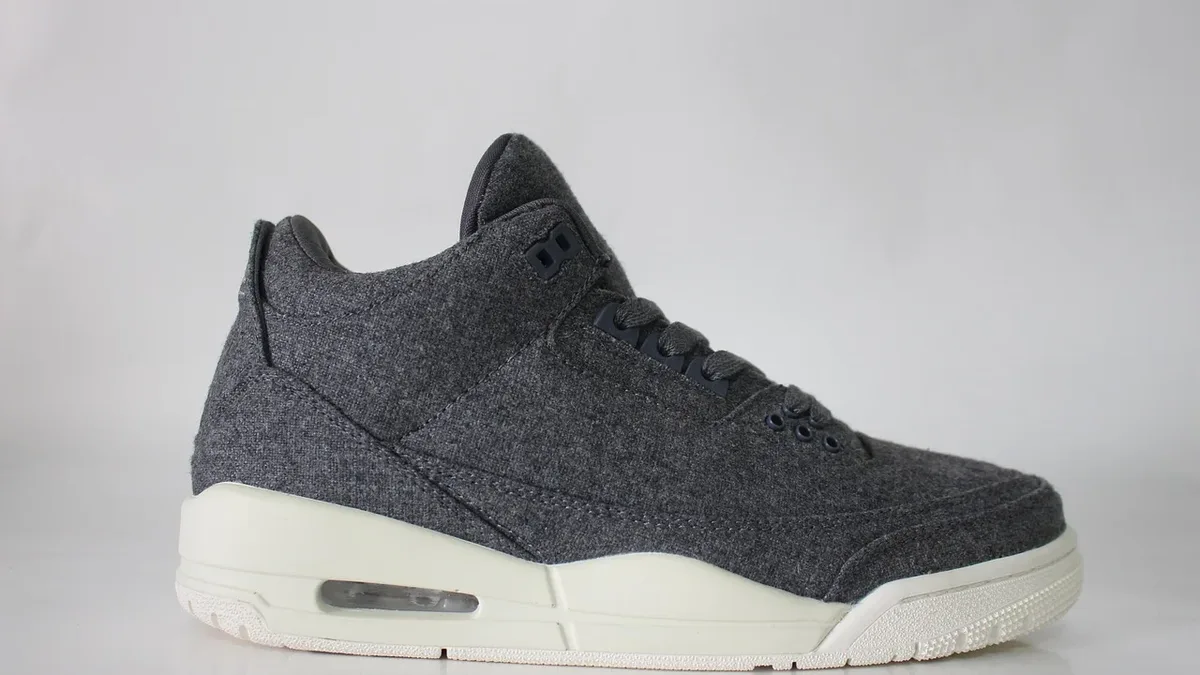
Tomorrowland Unveils WR1 Sneaker for Everyday Wear
Tomorrowland has launched its first-ever sneaker, the WR1, designed for daily life beyond the festival. The shoe features a mushroom-inspired sole...
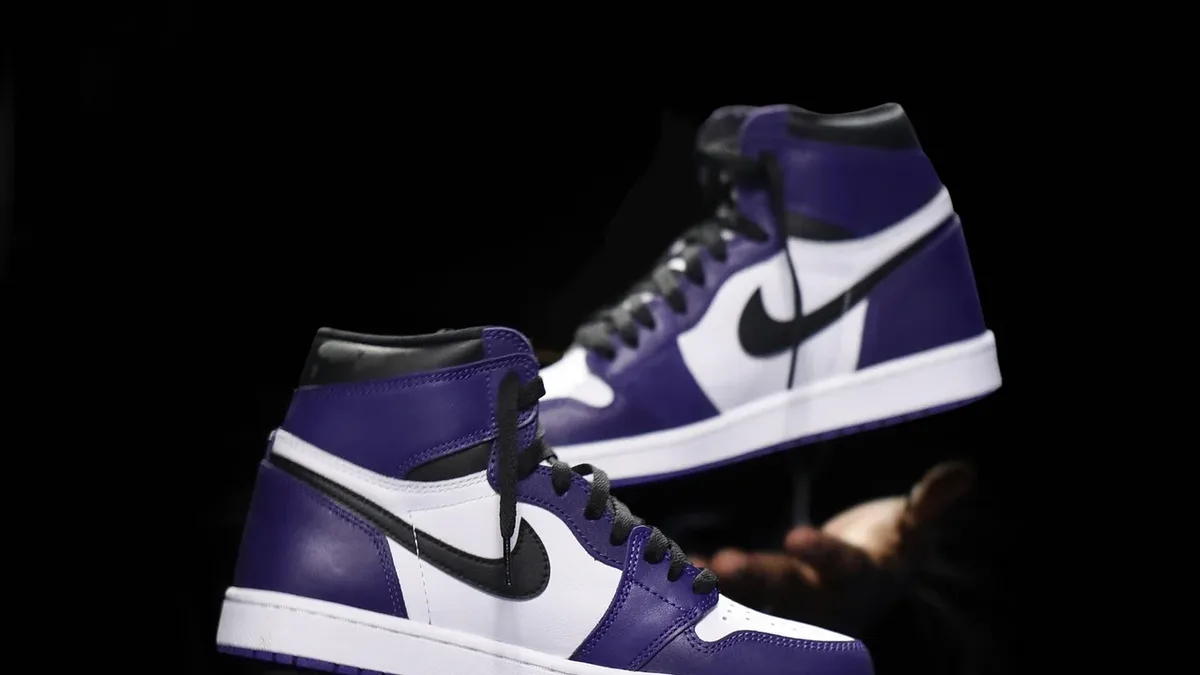
Syn Zhuang Wins Jordan Design Studio Contest
Beijing designer Syn Zhuang won the inaugural Jordan Design Studio program by reimagining the Air Jordan 1. Her versatile, women-focused design...
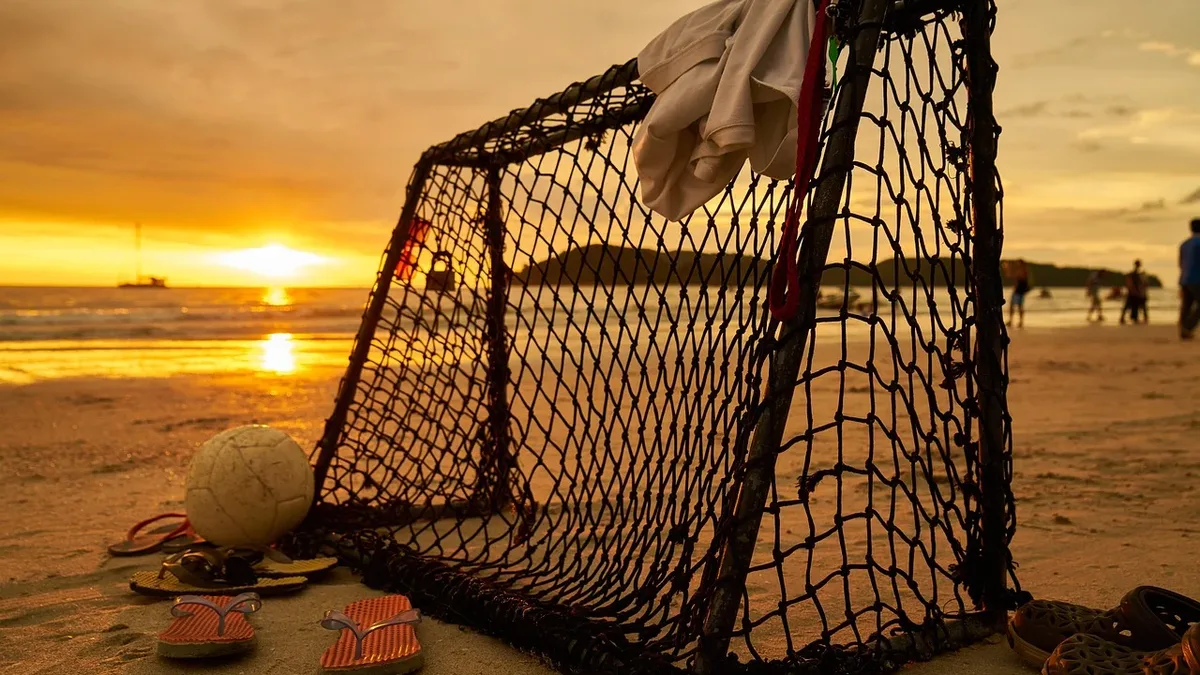
KidSuper x Havaianas launch football sandals
KidSuper and Havaianas launch a four-piece sandal collection merging football culture with avant-garde art. The release is headlined by a green...