Restocks And Re Releases
| Brand | Restocks And Re Releases |
|---|---|
| First created | 2020s |
| Original use | Tracking sneaker and streetwear inventory |
| Drop cadence | Varies by brand and product |
| Sell-out speed | Minutes to hours |
| Primary focus | Sneakers and apparel |
| Information source | Brand and retailer announcements |
| Tracking method | Manual community reporting and automated monitors |
Origin and history
Restocks and re-releases are a commercial practice that originated within the global consumer goods industry, particularly in North America and East Asia, during the late 20th century. The strategy became systematically prominent within the sneaker and streetwear sector in the 2000s, driven by brands seeking to manage demand for iconic products. It evolved from simple inventory replenishment into a deliberate marketing and supply chain tactic. This approach was later adopted widely by brands in collectibles, designer apparel, and consumer electronics. The practice is now a fundamental component of release calendars for many lifestyle and fashion brands. Its history is intertwined with the rise of online commerce and digital queueing systems designed to handle high traffic for limited items.
What it is for
This practice serves to fulfill consumer demand for products that initially sold out during their first launch. It allows brands to extend the commercial lifecycle of successful designs without immediately creating entirely new products. For consumers, it provides a secondary or tertiary opportunity to purchase items they missed, often at the original retail price. It functions as a tool to combat the resale market by increasing the available supply of coveted goods. The strategy also helps brands maintain engagement and traffic on their digital platforms over a longer period. Additionally, it serves as a method to reward loyal customers who are attentive to brand announcements.
Overview
A restock typically refers to a brand replenishing inventory of an existing product variant, often unexpectedly and in limited quantities, after the initial sell-out. A re-release usually involves a brand formally re-issuing a product, sometimes with minor modifications or as part of an anniversary, after a significant hiatus. These events are central to the operations of dedicated tracking websites and forums that monitor brand inventories. The process is characterized by precise online launch times, often communicated with little advance notice to mitigate server overload. Successfully purchasing during these events requires preparation, fast internet, and sometimes account pre-registration. The entire cycle generates sustained discussion and anticipation within enthusiast communities.
What to know
Quantities for restocks are almost always far lower than the original launch, making them highly competitive and often quicker to sell out. Re-releases may have larger production runs but can still be limited to preserve brand exclusivity. Payment and shipping information should be saved in advance on the brand's website to expedite checkout. Many brands implement bot protection measures, such as captchas or queue systems, which can slow manual users. Following official brand social media accounts and newsletters is the most reliable way to receive advance notice of these events. It is common for items to appear briefly in cart during high traffic only to be removed at the payment stage due to inventory depletion.
Common questions
How can I get a notification for an upcoming restock or re-release? The most effective method is to enable notifications from the brand's official app or newsletter, as third-party alerts can be delayed. What is the difference between a restock and a re-release? A restock is a supplementary shipment of the same product run, while a re-release is a new, sanctioned production of a previously discontinued item. Do prices increase during a restock or re-release? Typically, the manufacturer's retail price remains the same, though subsequent resale market prices may adjust based on the new supply. Why do items sell out instantly even during a restock? Extremely high demand coupled with limited inventory and automated purchasing software used by resellers leads to near-instantaneous sell-outs. Are restocks and re-releases announced in advance? Restocks are often surprise events, while re-releases usually have a scheduled launch date published weeks or months ahead. Is it worth trying to buy during these events? For those seeking items at retail price, it is the primary method, but success rates for highly coveted products remain low.
Pros and cons
A significant pro is the chance to acquire a desired item at its original retail price, avoiding the inflated costs of the secondary market. It also rewards dedicated fans who monitor brand channels closely and can react quickly. For brands, it efficiently maximizes revenue from proven products and sustains consumer interest. A major con is the intensely frustrating user experience, characterized by website crashes, payment errors, and items vanishing from carts. Many consumers regret the time invested for consistently unsuccessful outcomes, leading to brand alienation. The common mistake is assuming these events are low-competition; they often attract more sophisticated bots and higher concentrated demand than the initial drop.
Who it suits
This system suits consumers who are highly organized, patient, and technologically adept, with the flexibility to act on short-notice announcements. It is ideal for collectors and enthusiasts who derive satisfaction from the pursuit and acquisition process itself, beyond just owning the item. It benefits buyers with fast, reliable internet connections and those willing to create accounts and save payment details across multiple retail sites. The practice does not suit individuals who become easily frustrated by technical failures or who have limited time to devote to online queues. It is poorly matched for casual shoppers seeking guaranteed availability or those unfamiliar with the competitive dynamics of limited online releases. Ultimately, it serves a niche of determined consumers who treat acquisition as a strategic hobby.
Latest Restocks And Re Releases news
Latest reporting
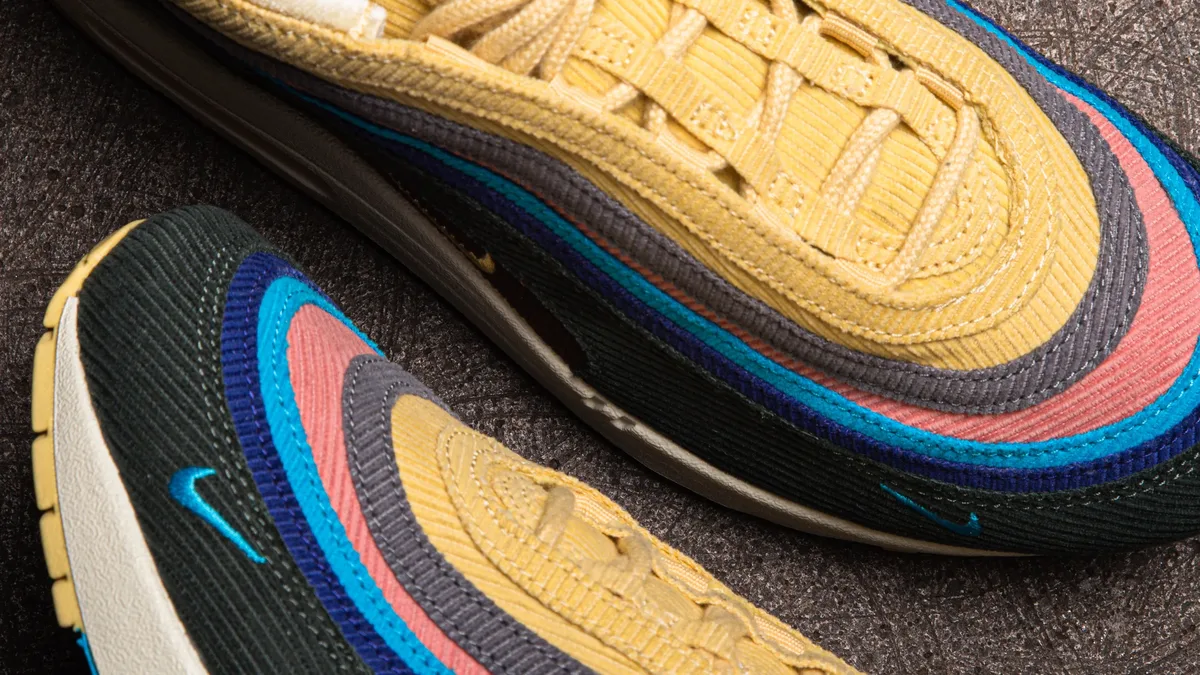
Supreme and Nike Reunite for Fall 2026 Apparel Drop
Supreme and Nike lead a week of major streetwear releases with a technical Fall 2026 capsule, alongside collaborations from ARC'TERYX x BEAMS, Awake...

Zalando's Bread&&Butter Festival Merged Streetwear and Music
Zalando's Bread&&Butter festival in Berlin from 2016-2018 blended fashion drops, music, and youth culture. It drew over 30,000 attendees annually for...
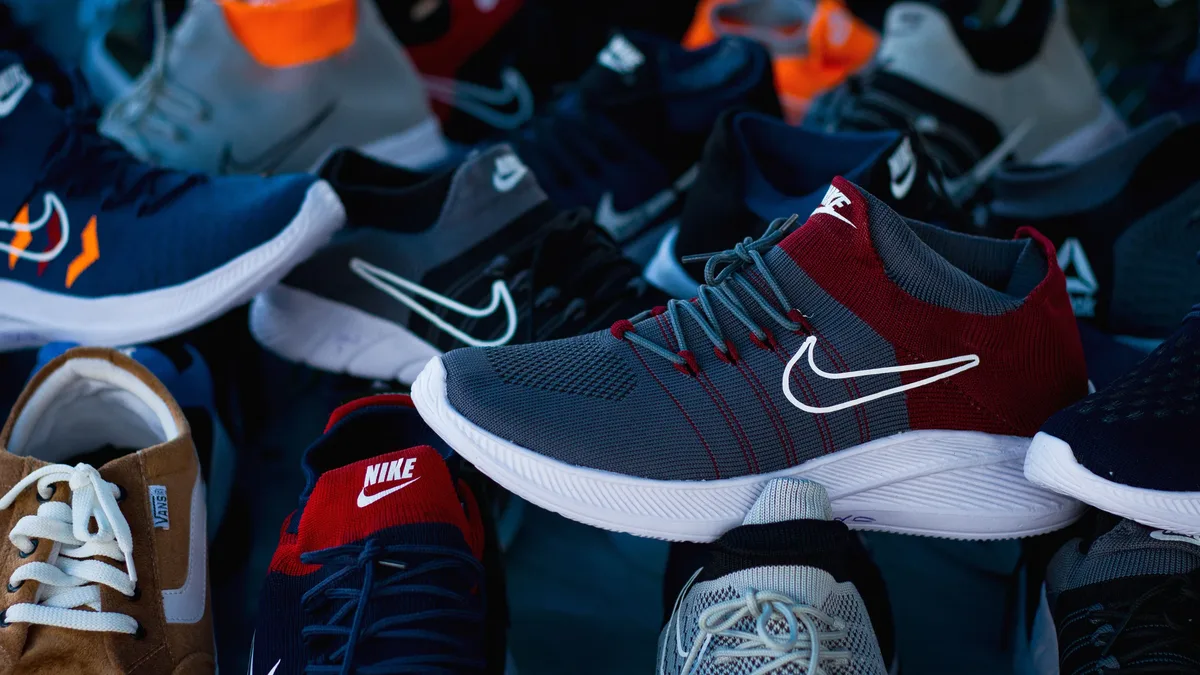
Nike Sneaker Drops for September Week 2
Nike releases seven sneakers this week, including collaborative and retro models, with some expected to sell out quickly.

Sneaker Drops This Week: adidas, Saucony, Salomon
Seven major sneaker releases are scheduled for this week, including collaborations from adidas with Tyrrell Winston and Simone Rocha, a Saucony...
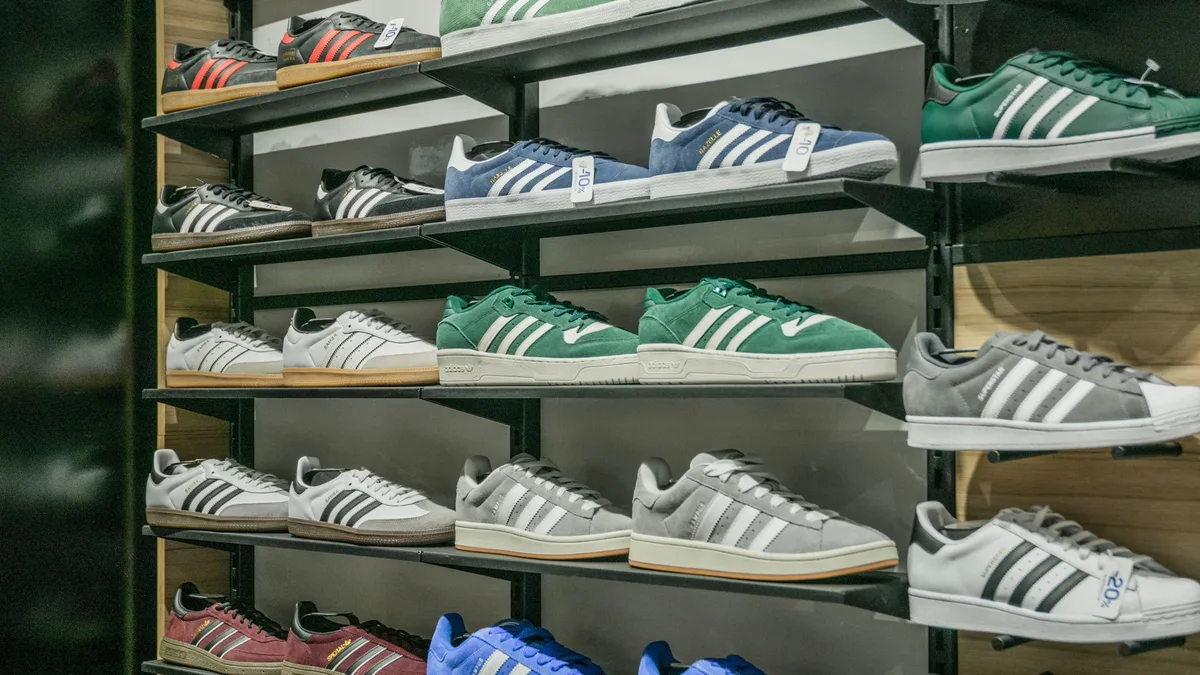
Adidas releases multiple sneakers this week including JENNIE
Adidas has made several sneakers available this week, including the JENNIE Superstar SQ Ballet, Adizero EVO SL, GLENBURN, Taekwondo MEI Elite, Samba...
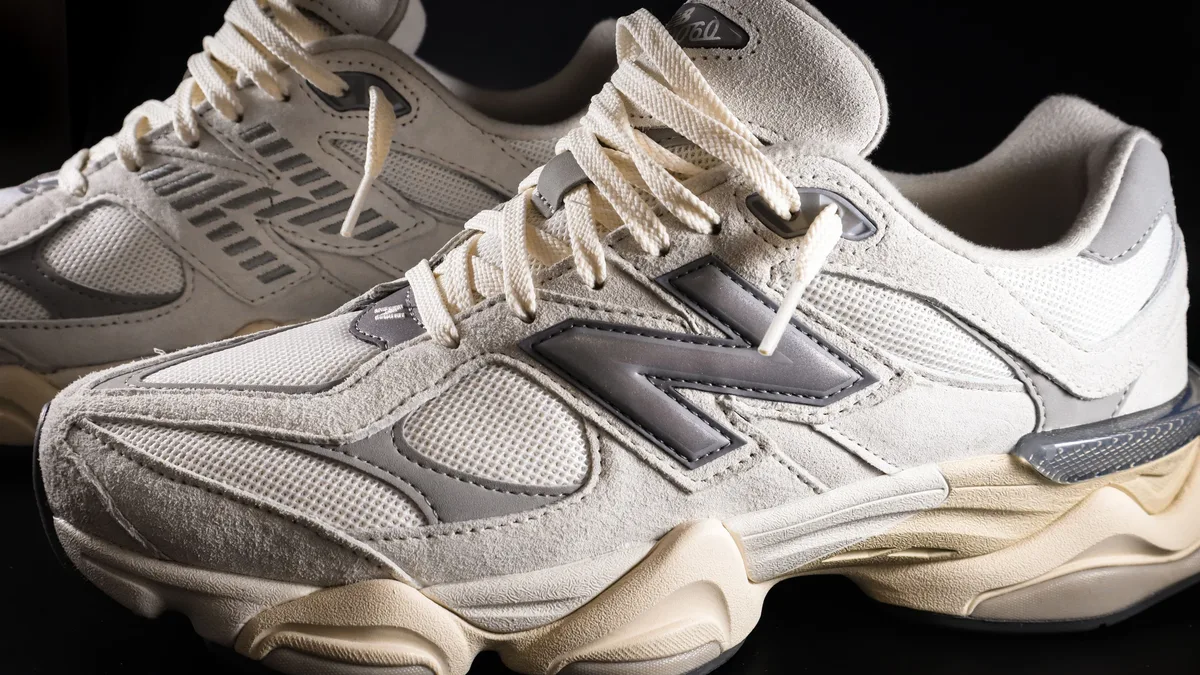
Mfpen's New Balance 991v1 Drop Uses Surplus Leathers
The mfpen x New Balance 991v1 releases September 3 in a 90-pair limited edition made from upcycled factory surplus materials.