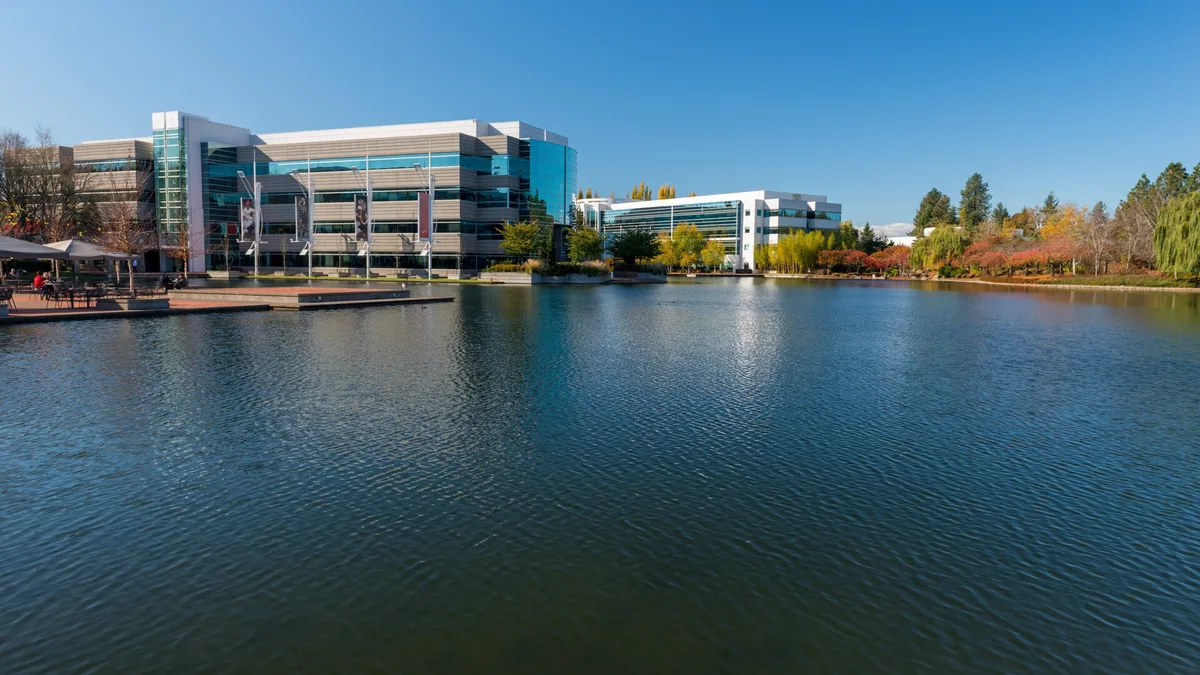
Nike
| Brand | Nike |
|---|---|
| Country of origin | United States |
| First created | 1971 |
| Original use | Athletic footwear |
| Product category | Athletic apparel and equipment |
| Typical drop time | Varies by region and release |
| Sell-out speed | Often rapid for limited editions |
Origin and history
Nike, Inc. originates from the United States. The company was founded in the 1960s, initially operating as a distributor for a Japanese athletic shoe maker. The founders, a track athlete and his coach, sought to provide better, more innovative running shoes for American athletes. The brand name Nike was officially adopted in the early 1970s, taking its name from the Greek goddess of victory. The iconic Swoosh logo was created around this same time by a graphic design student. The company revolutionized athletic footwear with the introduction of its proprietary waffle sole technology later in that decade, which provided superior traction.
What it is for
Nike designs, manufactures, and markets athletic footwear, apparel, equipment, and accessories. Its core purpose is to provide performance gear for a wide range of sports, including running, basketball, football (soccer), tennis, and golf. Beyond professional sports, the company's products are also intended for general fitness activities like training and gym workouts. A significant portion of its business is dedicated to casual, lifestyle footwear and apparel, which is worn for everyday comfort and style rather than athletic performance. The company also produces specialized equipment for various sports, such as balls, gloves, and timekeeping devices. Furthermore, Nike develops and sells products specifically for children and youth participating in sports and active play.
Overview
Nike is a global leader in the athletic footwear and apparel industry, recognized by its Swoosh logo and "Just Do It" slogan. The company operates through a complex ecosystem of owned retail stores, online sales, and a vast network of third-party distributors and retailers worldwide. Its business model heavily relies on marketing, high-profile athlete endorsements, and continuous technological innovation in materials and design. Product releases, particularly of retro and new signature athlete lines, are often managed as scheduled "drops" that generate significant consumer demand. The brand maintains a vast portfolio encompassing performance gear, sportswear, and lifestyle products under the Nike name as well as subsidiary brands like Jordan and Converse. Its scale and influence make it a defining force in both sports culture and global streetwear fashion.
What to know
Scheduled product releases, or "drops," are a central part of Nike's consumer strategy, particularly for coveted sneaker models. These drops are typically announced in advance by the brand and its retail partners, specifying the exact date and time of release. Release times are often standardized, such as 10:00 AM local time for in-store launches or a specific Eastern Time for online releases on Nike's SNKRS app and website. High-demand collaborations with designers, artists, or iconic athlete lines frequently sell out within minutes or even seconds of the drop time. Whether a product sells out is dependent on the model's popularity, the perceived rarity, and the allocated inventory, which is often intentionally limited to drive demand. For major drops, consumers commonly use multiple devices and accounts to attempt purchases, and resale markets for sold-out items can see prices many times higher than the original retail cost.
Common questions
A common question is how to get access to limited-edition Nike sneaker drops before they sell out. The primary official method is through the Nike SNKRS app, where users can enter draws or attempt first-come-first-served purchases at the announced time. People often ask what the difference is between general-release and limited-edition Nike products, with the latter featuring unique colorways, materials, or collaborative branding that creates scarcity. Consumers frequently inquire about the authenticity of Nike products purchased from secondary markets, as counterfeit goods are widespread. Another regular question concerns sizing, as fit can vary significantly between different Nike silhouettes and product lines, such as comparing a running shoe to a basketball sneaker. Many also ask about the care and cleaning of technical fabrics and premium materials used in Nike apparel and footwear to maintain their appearance and function.
Pros and cons
A significant pro is the consistent innovation in cushioning, support, and material technology, which can genuinely enhance athletic performance and comfort for serious athletes. The brand's extensive marketing and sponsorship create a strong cultural cachet and a sense of affiliation with top-tier sports figures and teams. However, a major con is the premium pricing strategy, where even basic models often carry a higher price tag than many competitors, placing performance technology and branded style at a cost barrier. The hype-driven drop model can lead to frustration for consumers, who face intense competition from automated bots and resellers, making acquiring desired products difficult at retail price. Quality control inconsistencies are a frequent point of criticism, with some consumers reporting issues like glue stains, uneven stitching, or premature wear, particularly on mass-produced lifestyle models. The brand's vast scale and complex global supply chain have also led to sustained scrutiny and criticism regarding labor practices in contracted factories, which some ethically-minded consumers find problematic.
Who it suits
Nike suits competitive athletes and dedicated amateurs who prioritize proven performance technology and are willing to pay for research-backed features in their sport-specific footwear and apparel. It also appeals strongly to sneaker enthusiasts and collectors who engage with the culture of limited releases, collaborations, and iconic silhouettes as a hobby. The brand's broad lifestyle range suits individuals seeking comfortable, stylish casual wear that carries a recognizable, sporty aesthetic for everyday use. Given its dominant market presence, it is a default choice for many consumers who need general-purpose athletic shoes for gym workouts, school sports, or casual walking without deep research into niche brands. However, it may not suit budget-conscious shoppers seeking the lowest price point for basic athletic needs, as comparable functional options often exist at lower prices. It is also a poor fit for consumers who prioritize ethical consumption above all, as the company's historical and ongoing supply chain challenges remain a significant concern for this group.
Latest Nike news
Latest reporting
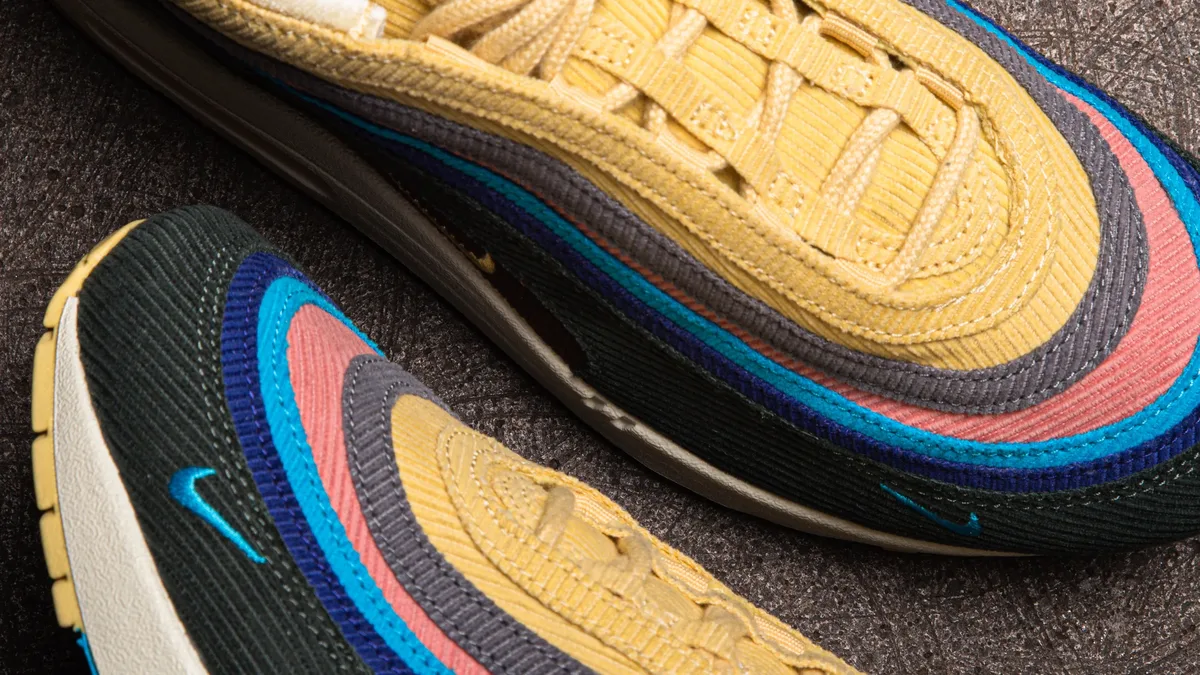
Supreme and Nike Reunite for Fall 2026 Apparel Drop
Supreme and Nike lead a week of major streetwear releases with a technical Fall 2026 capsule, alongside collaborations from ARC'TERYX x BEAMS, Awake...
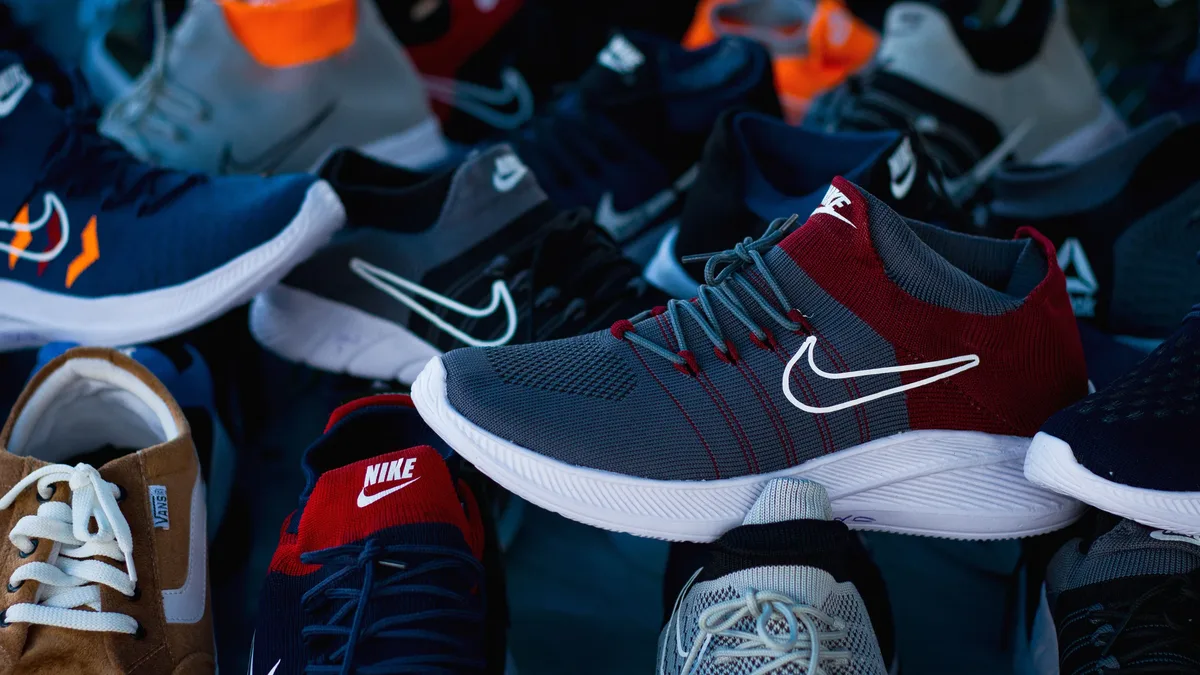
Nike Sneaker Drops for September Week 2
Nike releases seven sneakers this week, including collaborative and retro models, with some expected to sell out quickly.
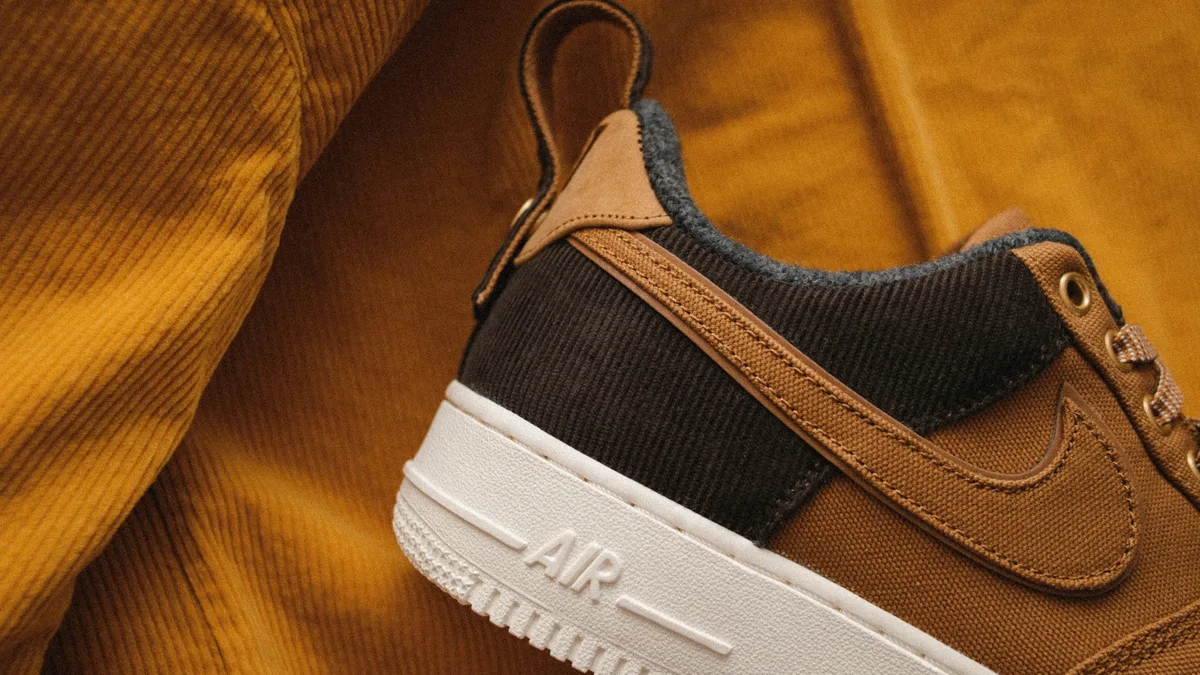
Nike Air Force 1 Low GORE-TEX Baroque Brown Drops 2026
Nike will release a winterized Air Force 1 Low in 2026. The $150 'Baroque Brown' shoe features GORE-TEX waterproofing and a Vibram outsole.
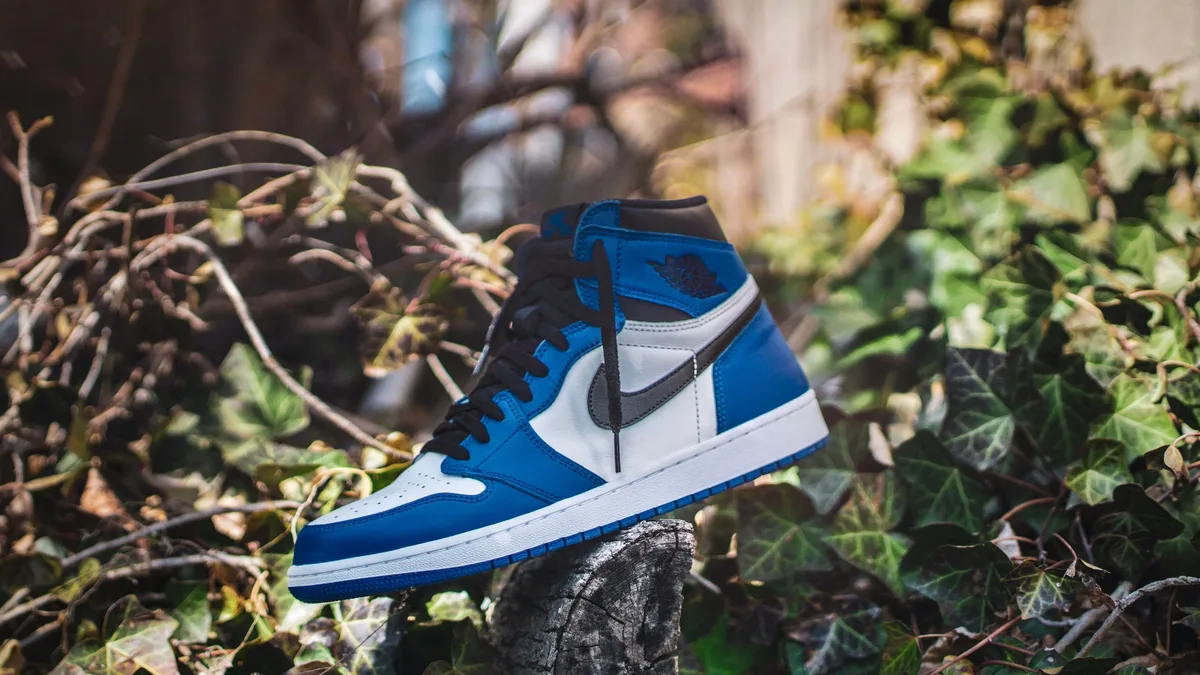
Nike Baltoro High Returns in Cave Stone Colorway
Nike is reviving its Baltoro High sneaker in a 'Cave Stone/Mystic Hibiscus' colorway for September 2026. The $145 release draws on the model's 1990s...
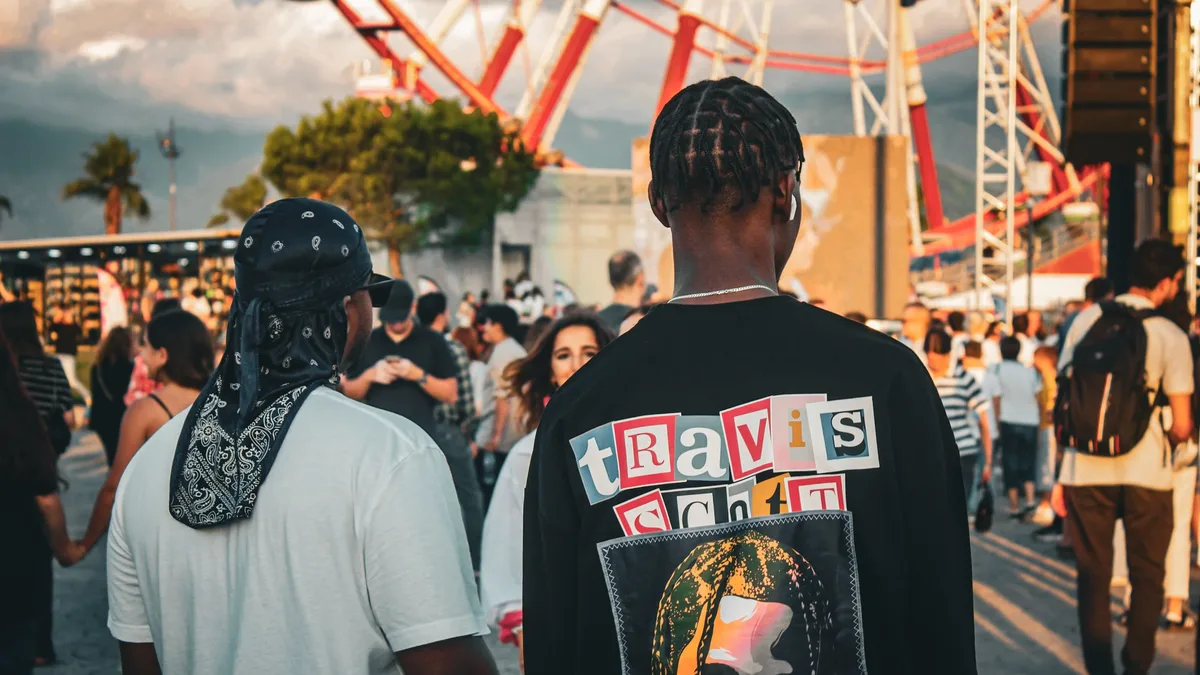
Travis Scott Drops Cactus Court Nike Collab
Travis Scott unveiled the full Cactus Jack x Nike 'Cactus Court' collection after Carlos Alcaraz wore unreleased pieces during his US Open match.
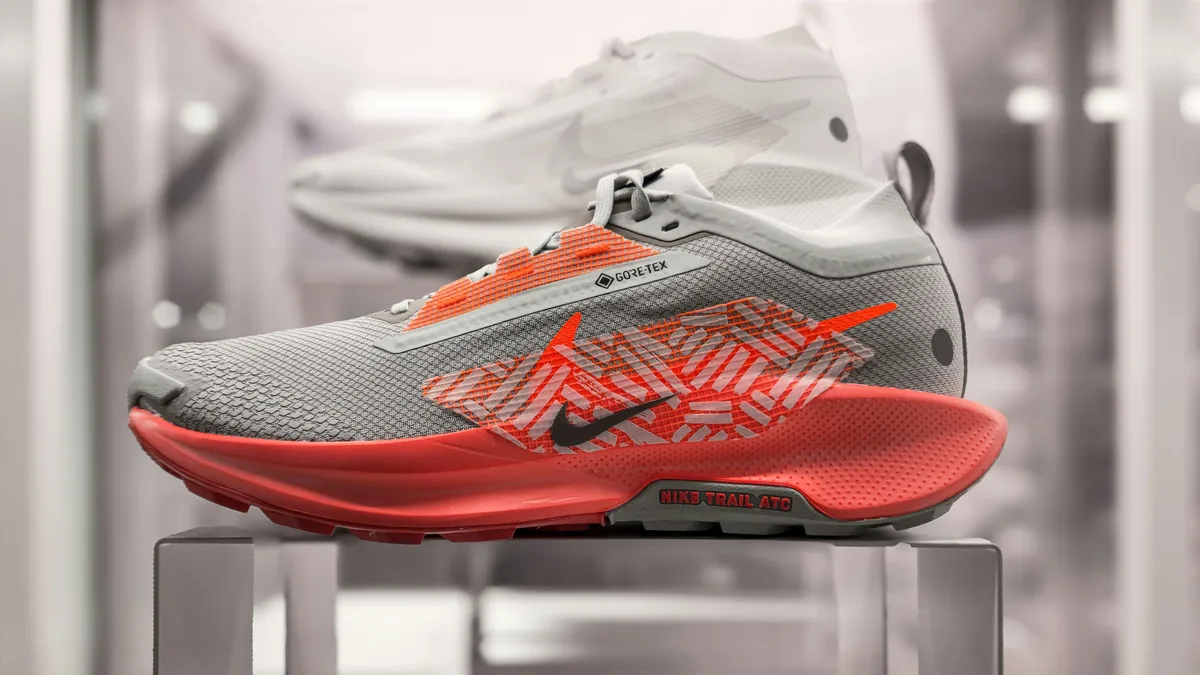
Nike Vomero 5 Gridiron launches in slate and
Nike has released the Zoom Vomero 5 Gridiron, a new slate-toned colorway of the retro runner featuring metallic silver accents.