
New Balance
| Brand | New Balance |
|---|---|
| Country of origin | United States |
| First created | 1906 |
| Original use | Arch supports and prescription footwear |
| Product category | Athletic footwear and apparel |
| Headquarters location | Boston, Massachusetts, United States |
| Notable characteristic | Many models offered in multiple width fittings |
Origin and history
New Balance is a footwear and athletic apparel company originating in the United States. Its early history dates to the early 20th century, when it began as an arch support company in Boston. The brand's transition into footwear manufacturing occurred in the mid-20th century, with a focus on specialized running shoes. A pivotal development was the introduction of the now-iconic "New Balance" name during this period, moving beyond orthotic inserts. The company established a reputation for technical innovation and a distinct approach to sizing, offering multiple width options. This focus on precision fit and performance helped it grow from a niche operator into a major global athletic brand.
What it is for
New Balance designs and manufactures footwear and apparel primarily for athletic performance and casual wear. Its core product categories include running shoes, training shoes, and sport-specific footwear for activities like baseball and tennis. A significant portion of its business is dedicated to lifestyle or "athleisure" sneakers, which are designed for everyday comfort rather than competitive sport. The company also produces a wide range of athletic clothing, including running shorts, jackets, and technical tops. Furthermore, New Balance operates a substantial team sports division, creating uniforms and cleats for professional and amateur leagues. The brand serves a broad market, from elite athletes to consumers seeking comfortable, well-constructed casual shoes.
Overview
New Balance distinguishes itself in the athletic footwear market through a continued emphasis on domestic manufacturing and technical engineering. A portion of its shoes, particularly certain premium models, are produced in factories in the United States and United Kingdom, which is a notable point of differentiation from competitors. The brand's visual identity is often characterized by understated designs, a prominent use of grey colorways, and the consistent placement of its "N" logo. Its product numbering system, such as the 574, 990, or 2002R, denotes specific models and technologies that have been iterated over decades. The company maintains a strong presence in both performance retail and fashion contexts, collaborating with designers and retailers on limited editions. It operates as a privately held entity, which influences its business strategy and product development cycles.
What to know
New Balance shoes are frequently noted for their availability in multiple width sizes, a feature that is less common in standard athletic footwear. The brand's "Made in USA" and "Made in UK" lines represent a higher tier of construction and materials, commanding a premium price point. Model numbers are key identifiers; for example, the 990 series has progressed through several iterations (990v1 through v6), each refining the cushioning and materials. New Balance often utilizes specific proprietary technologies, such as Fresh Foam for cushioning or FuelCell for energy return, which vary by model and intended use. The brand has a deep archive of classic styles that are frequently re-issued or reinterpreted, making vintage references important for collectors. Collaborations with other brands or designers are common and can significantly alter the availability, design, and resale value of a standard model.
Common questions
A common question is whether New Balance runs true to size, and the answer often depends on the specific model, with many recommending a half-size down for certain lifestyle silhouettes. Consumers frequently ask about the difference between the various numbered series, such as what distinguishes a 574 from a 997, which relates to their original era, construction, and intended use. The meaning and significance of the "Made in USA" label is a frequent topic, pertaining to the sourcing of materials and the location of assembly for those specific models. People often inquire about the best New Balance model for all-day walking comfort, which leads to discussions about cushioning technologies like Fresh Foam. Another regular question concerns the cleaning and maintenance of suede and mesh panels, which are common materials on many popular styles. Finally, buyers ask about the release patterns for new colorways or collaborative models, which typically follow scheduled drop dates through the brand's own channels and select retailers.
Pros and cons
A significant pro is the consistent availability of multiple width options, providing a superior fit for individuals with narrow or wide feet that most brands overlook. The construction quality and durability of many core models, especially those from the "Made" lines, are frequently praised and often justify the higher price. A notable con is that the fit and sizing can be inconsistent between different model lines, requiring careful research or trying on before purchase, which is a common point of frustration. Some designs, particularly the more technical performance running shoes, are criticized by style-conscious consumers for a bulky or dated aesthetic. The brand's popularity in the lifestyle segment can lead to rapid sell-outs of hyped collaborative models, frustrating general consumers who simply want the standard colorways. A common mistake is purchasing a model designed for serious running, like the FuelCell RC Elite, for casual everyday use, which can lead to discomfort and premature wear in the wrong context.
Who it suits
New Balance suits individuals who prioritize fit and comfort, especially those who have struggled with standard-width footwear from other brands. The brand appeals to runners and athletes seeking technically competent shoes that often offer a stable, supportive ride compared to more minimalist options. It is a strong choice for consumers interested in "dad shoe" or classic sneaker aesthetics, valuing understated design over overt branding. The "Made in USA/UK" models are particularly suited to buyers who value domestic manufacturing and are willing to invest in perceived higher quality and construction. The brand also caters to a fashion-oriented audience that participates in the collaborative and limited-edition sneaker market. Finally, it suits a broad demographic seeking reliable, comfortable shoes for all-day wear, from professionals on their feet to travelers walking extensively.
Latest New Balance news
Latest reporting
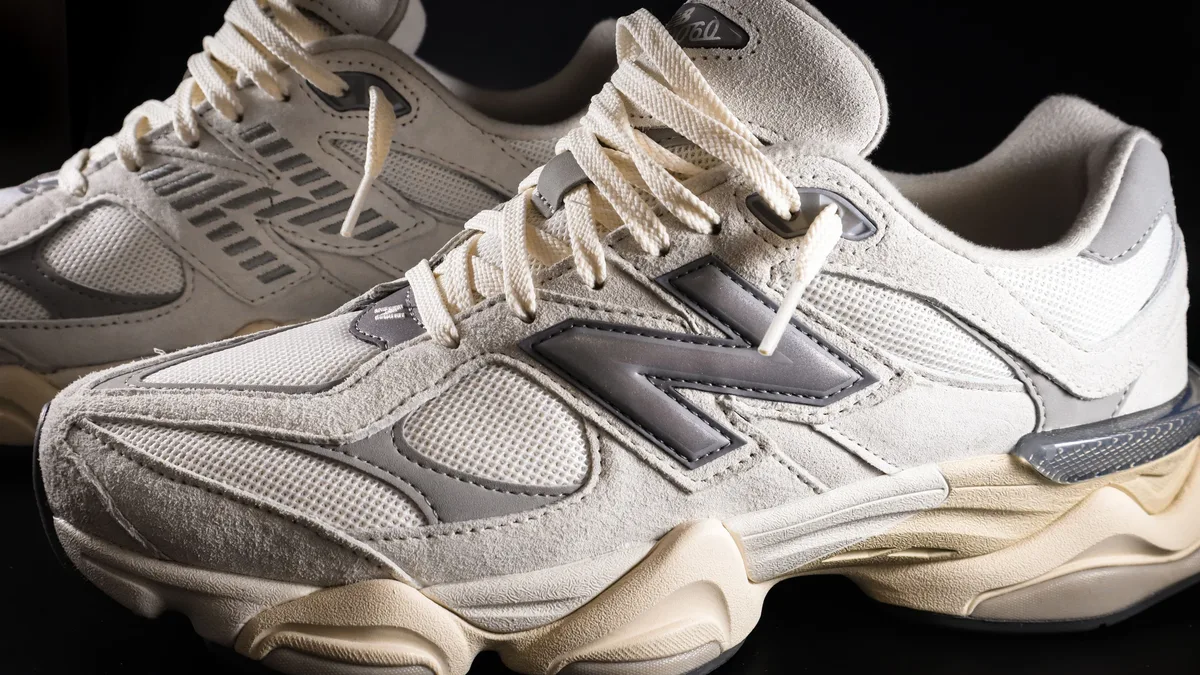
New Balance ABZORB 2010 Dad Shoe Built to Be Worn Hard
A Highsnobiety editor argues the appeal of the New Balance ABZORB 2010 lies in its intention to be worn hard and look better with age, citing a white
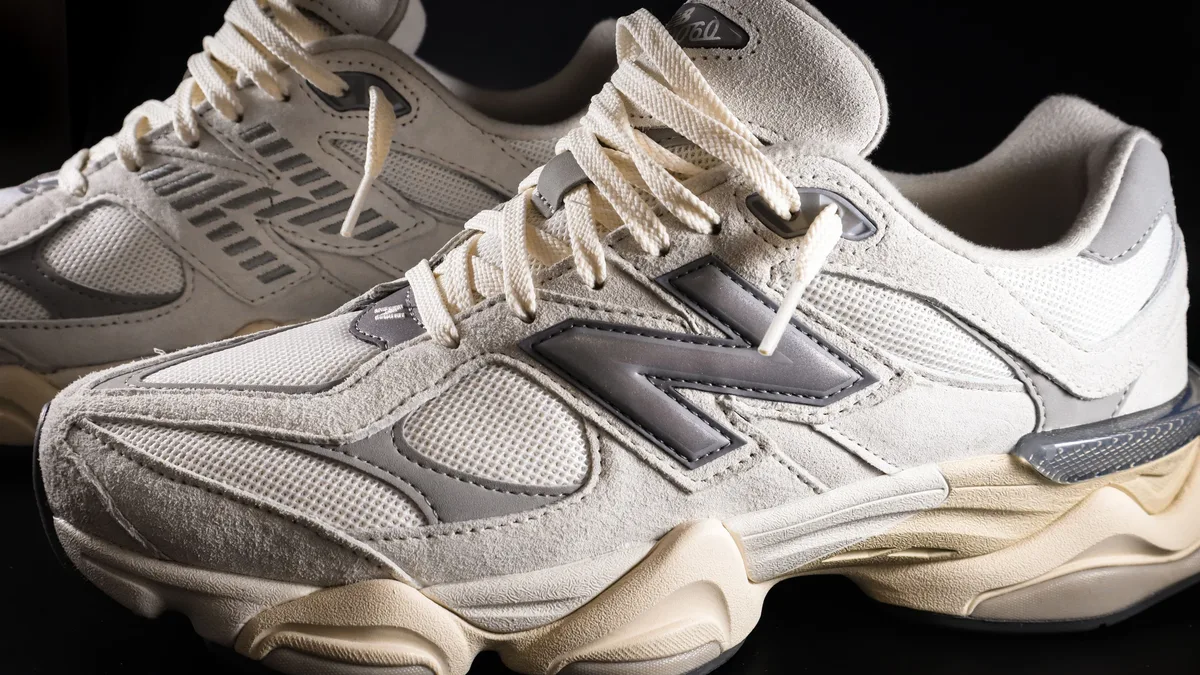
Mfpen's New Balance 991v1 Drop Uses Surplus Leathers
The mfpen x New Balance 991v1 releases September 3 in a 90-pair limited edition made from upcycled factory surplus materials.
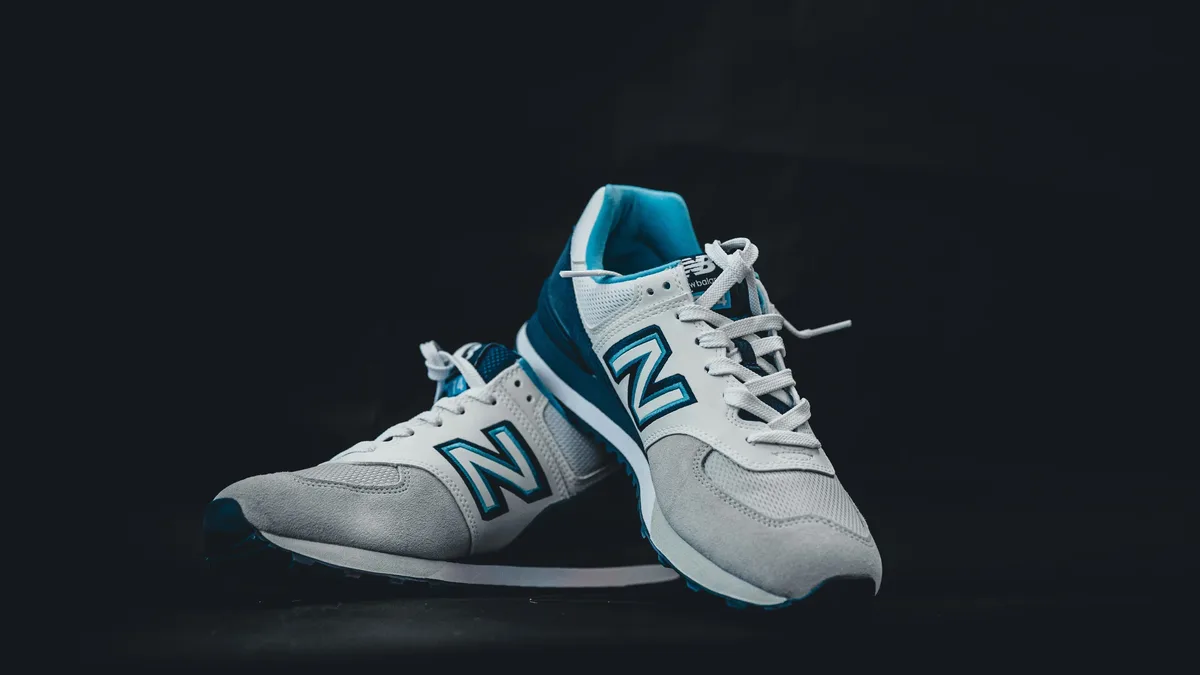
New Balance 983 Debuts October 1 for $160
New Balance unveils the 983, a new lifestyle sneaker built from 2000s running archive elements. It releases October 1 via New Balance for $160 USD.

New Balance 2040v5: A Luxury Take on Normcore Sneakers
New Balance's latest release, the 2040v5 Made in USA Castlerock, is a premium sneaker that justifies its $400 price tag with uncompromising domestic...

New Balance's Slimmest Sneaker Gets a Busy Makeover
UK retailer size? introduces its exclusive version of the New Balance 204L sneaker, featuring a bold green seersucker gingham underlay and fuzzy...
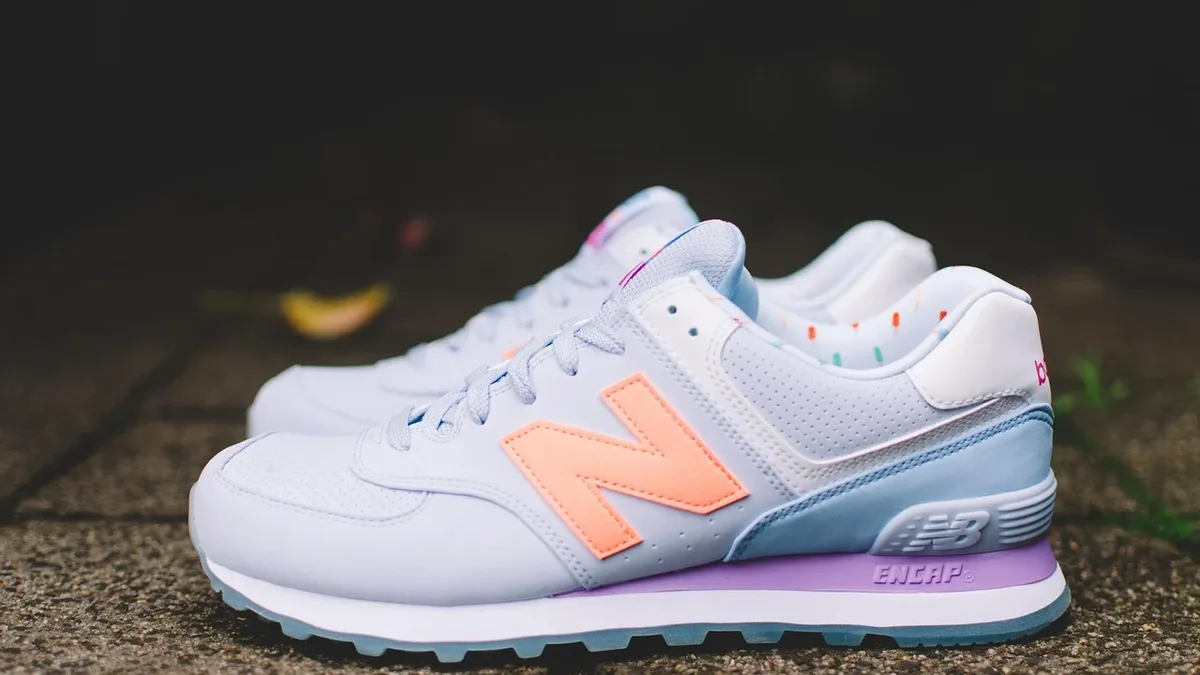
New Balance's Latest Dad Shoe Release Combines Earthy Tones and High-Quality Materials
New Balance's latest sneaker release, the 991v2 Made in UK 'Walnut/Shitake' shoe, combines earthy tones with high-quality materials.