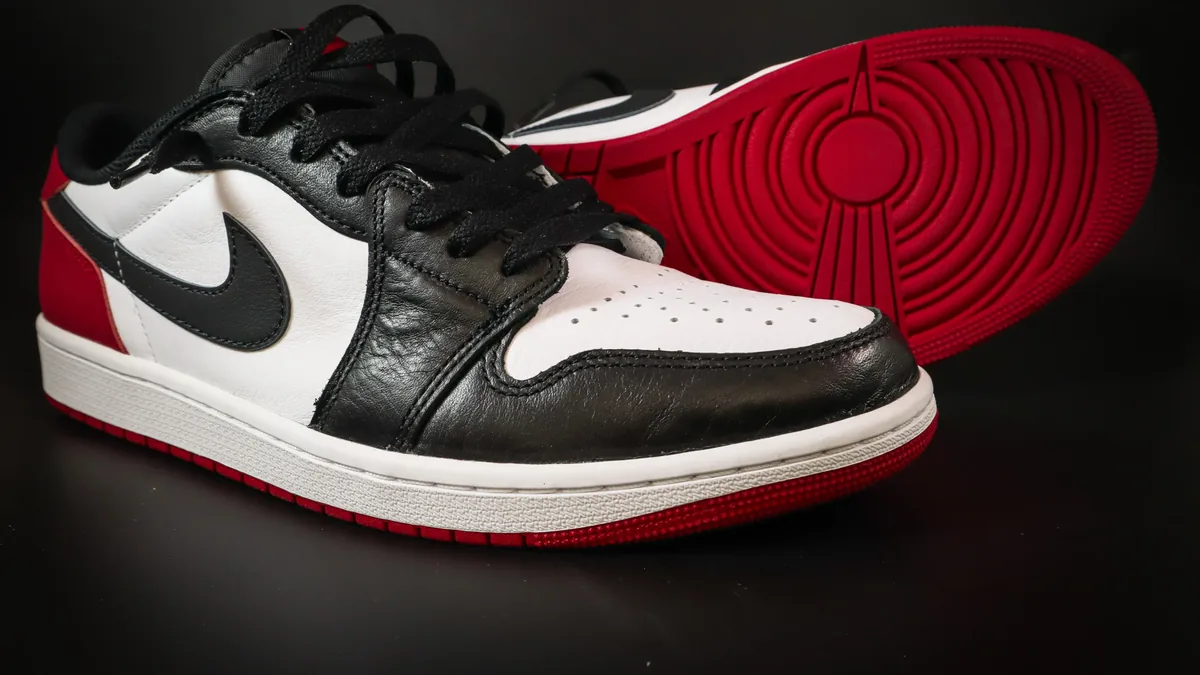
Jordan Retros
| Brand | Jordan Retros |
|---|---|
| First created | 1985 |
| Original use | Basketball performance footwear |
| Country of origin | United States |
| Manufacturer | Nike, Inc. |
| Product type | Retro re-release of Air Jordan sneakers |
| Typical release model | Limited quantity drops |
| Typical drop time | Varies by region and retailer |
Origin and history
Jordan Retros originate from the United States, specifically from the athletic footwear line created for basketball player Michael Jordan. The concept of "Retro" releases began in the mid-1990s, roughly a decade after the original Air Jordan 1 debuted in the mid-1980s. These Retro releases involve the re-issuing of earlier, iconic Air Jordan models from the 1980s and 1990s, often with updated materials or colorways. The practice was established by Nike's Jordan Brand as a way to satisfy enduring consumer demand for classic silhouettes. This strategy transformed sneaker culture by creating a cycle of re-releases that are highly anticipated. The history is intrinsically linked to the legacy of Michael Jordan's career and the cultural impact of his signature shoes.
What it is for
Jordan Retros are athletic-inspired footwear primarily designed for casual wear and fashion. While based on performance basketball shoes, their modern retro iterations are generally not engineered for competitive play due to outdated technology and materials prioritized for aesthetics. The primary function is to serve as a cultural and style artifact, allowing wearers to express affiliation with sneaker culture, basketball history, or particular eras of design. They are collected as tangible pieces of sports and fashion history. The re-release system also functions as a commercial model for the Jordan Brand, managing scarcity and demand. Furthermore, they are used as a canvas for collaborations with designers, artists, and other brands, elevating their status beyond footwear.
Overview
Jordan Retros encompass a wide range of models, most famously the numbered series from Air Jordan 1 through Air Jordan 15 and beyond, with certain models like the III, IV, V, and XI being particularly iconic. Each retro model corresponds to an original design worn by Michael Jordan during specific seasons of his NBA career. Releases are categorized by original model year, colorway names (e.g., "Bred," "Chicago," "Concord"), and sometimes by release year (e.g., "2016 release"). The market involves general releases, limited editions, and collaborative projects, all contributing to a complex hierarchy of value and desirability. The condition of being deadstock, never worn and in original packaging, is a key factor in the collector's market. The ecosystem includes official retailers, secondary market platforms, and physical sneaker stores that facilitate trade.
What to know
Acquiring Jordan Retros at their initial retail price typically requires participation in raffles, online queues, or lining up at physical stores on release days. Release dates and times are announced by the Jordan Brand and retailers, with "drops" often occurring on weekends at 10:00 AM local time in a given region. High-demand retro releases frequently sell out within minutes, if not seconds, on official websites and apps. The secondary market, or resale market, immediately establishes prices that can be multiples of the original retail cost based on scarcity and demand. It is crucial to verify authenticity when purchasing from the secondary market, as counterfeit replicas are widespread. Understanding the specific details of a shoe's construction, such as correct shape, materials, and packaging, is necessary for collectors.
Common questions
A common question is whether Jordan Retros are suitable for actual basketball, and the general consensus is that they are not recommended due to potentially degraded cushioning and support compared to modern performance shoes. People often ask how to determine the value of a pair, which depends on model, colorway, size, condition, and market trends at that time. Many inquire about the difference between "OG" and "Retro," where "OG" refers to the original release from the model's debut era, while "Retro" is any subsequent re-release. Another frequent question concerns sizing, with advice often suggesting trying on a pair as fit can vary between models and even different retro releases of the same model. Collectors commonly ask about proper storage, which involves keeping shoes in a cool, dark, dry place away from direct sunlight to prevent material degradation. Finally, newcomers often question why certain colorways are not re-released, which usually relates to brand strategy, licensing agreements, or planned future drops.
Pros and cons
A significant pro is the cultural cachet and timeless style associated with owning a piece of iconic design history. The shoes often represent a tangible connection to specific moments in sports and popular culture. However, a major con is the difficulty and cost of acquisition, with retail releases being highly competitive and resale prices being prohibitively expensive for many. The quality control on retro releases can be inconsistent, with issues like glue stains, uneven leather cuts, or incorrect colors being common points of consumer regret. Another con is that the comfort and performance technology are often outdated, making them less practical for all-day wear compared to modern sneakers. A common mistake is purchasing from unofficial sources without authenticating, leading to financial loss on counterfeit goods. The market can also feel exploitative, with genuine enthusiasts competing against automated bots designed solely for resale profit.
Who it suits
Jordan Retros suit sneaker collectors and enthusiasts who value the history, design, and community aspects of footwear culture. They are well-suited for individuals who prioritize fashion and statement-making style over pure athletic functionality in their footwear. Casual fans of basketball or Michael Jordan's legacy may find them appealing as a form of fandom and personal expression. They are not ideally suited for athletes seeking high-performance basketball shoes or for individuals with a primary need for all-day comfort and modern foot support. They also suit those with the patience and resources to navigate the complex release and resale markets. Ultimately, they are for wearers who appreciate the shoes as wearable artifacts rather than just utilitarian products.
Latest Jordan Retros news
Latest reporting
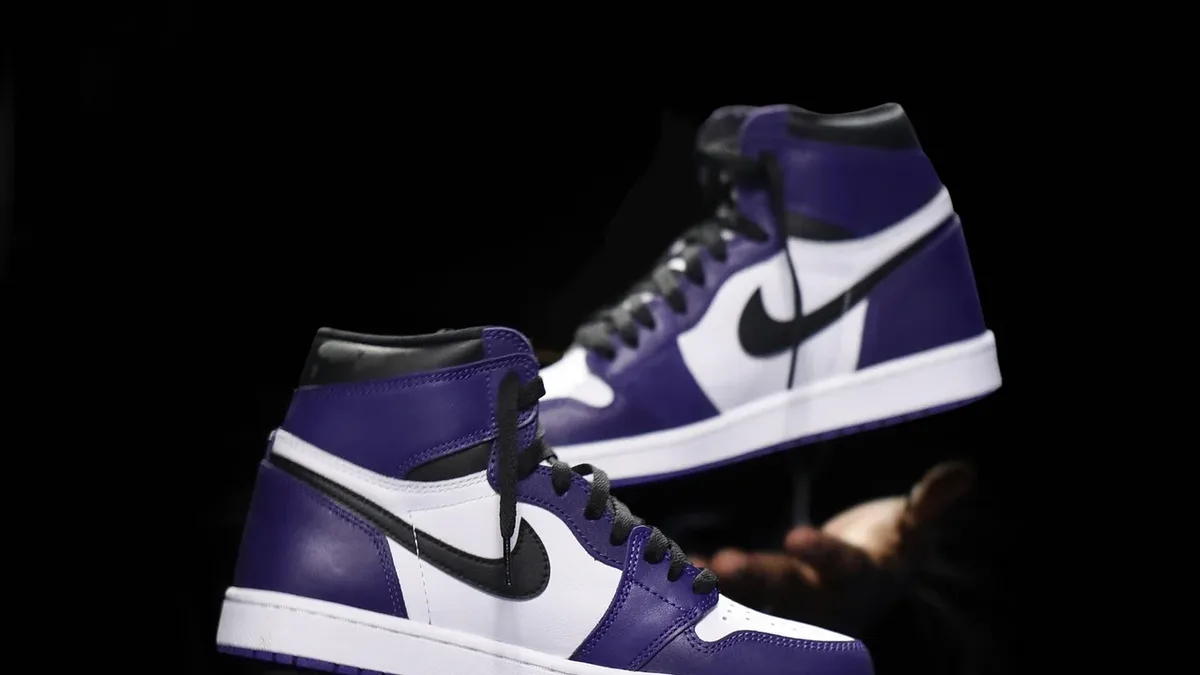
Syn Zhuang Wins Jordan Design Studio Contest
Beijing designer Syn Zhuang won the inaugural Jordan Design Studio program by reimagining the Air Jordan 1. Her versatile, women-focused design...
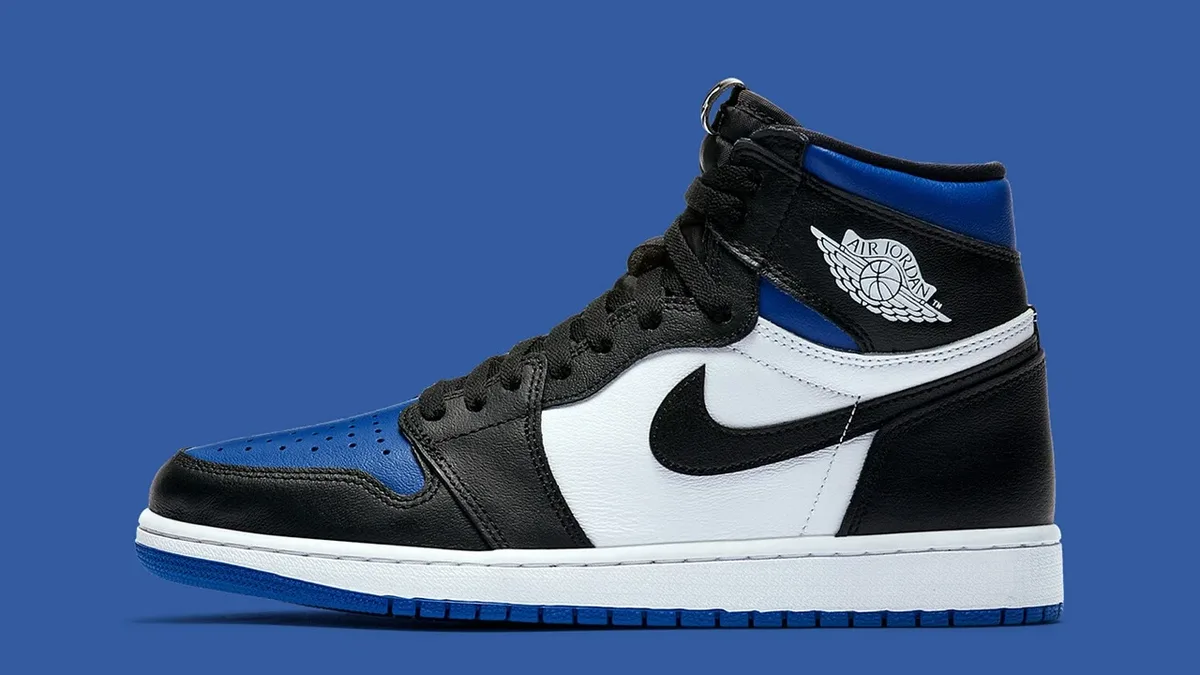
Jordan Brand x NÒMARHYTHM TEXTILE Collab
NÒMARHYTHM TEXTILE and Jordan Brand launch an apparel collaboration, fusing Tokyo textile craftsmanship with athletic heritage.
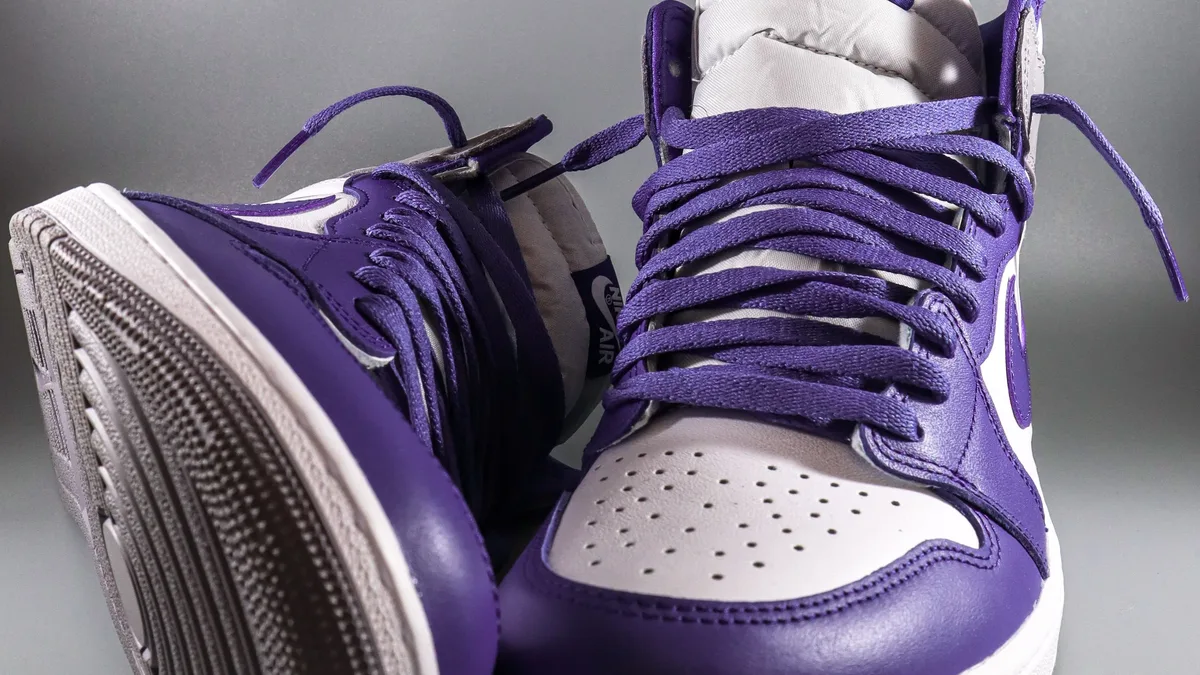
Air Jordan 41 Designers Reveal Michael
Leo Chang and Donald 'DK' Kelsey of Jordan Brand discuss the creation of the Air Jordan 41, including Michael Jordan’s involvement, design...
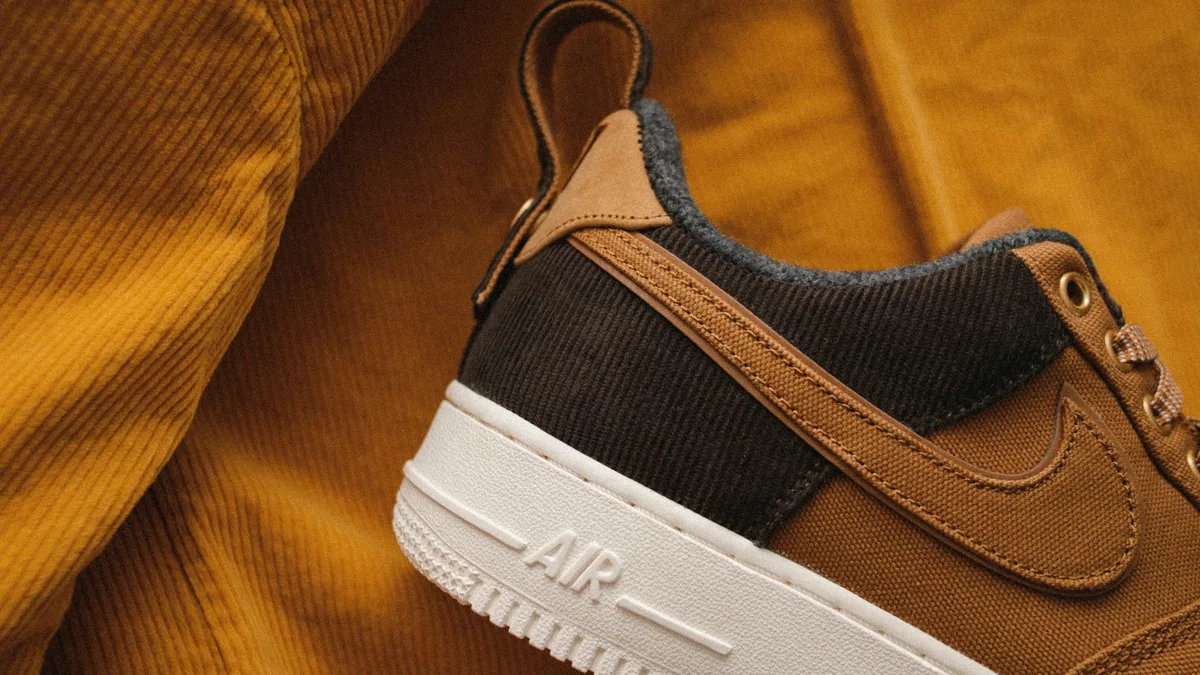
Nike Releases Chrome-Accented Air Jordan 8 and Light Chocolate SB AF1 This Week
Nike unveiled a chrome-accented Air Jordan 8 on August 29 and a light chocolate SB AF1 on August 25, among other releases. The lineup also includes...

Nike's Standout Sneaker Drops This Week: From Archival Classics to Bold New Designs
Nike continues to dominate the sneaker scene with a mix of reimagined classics and fresh releases, including the Air Max Goadome Low, Jordan Heir...
Awake NY Brings Sweet Treats to Air Jordan 6
Awake NY's latest collaboration with Nike's Jordan brand brings a candy-inspired twist to the iconic Air Jordan 6.