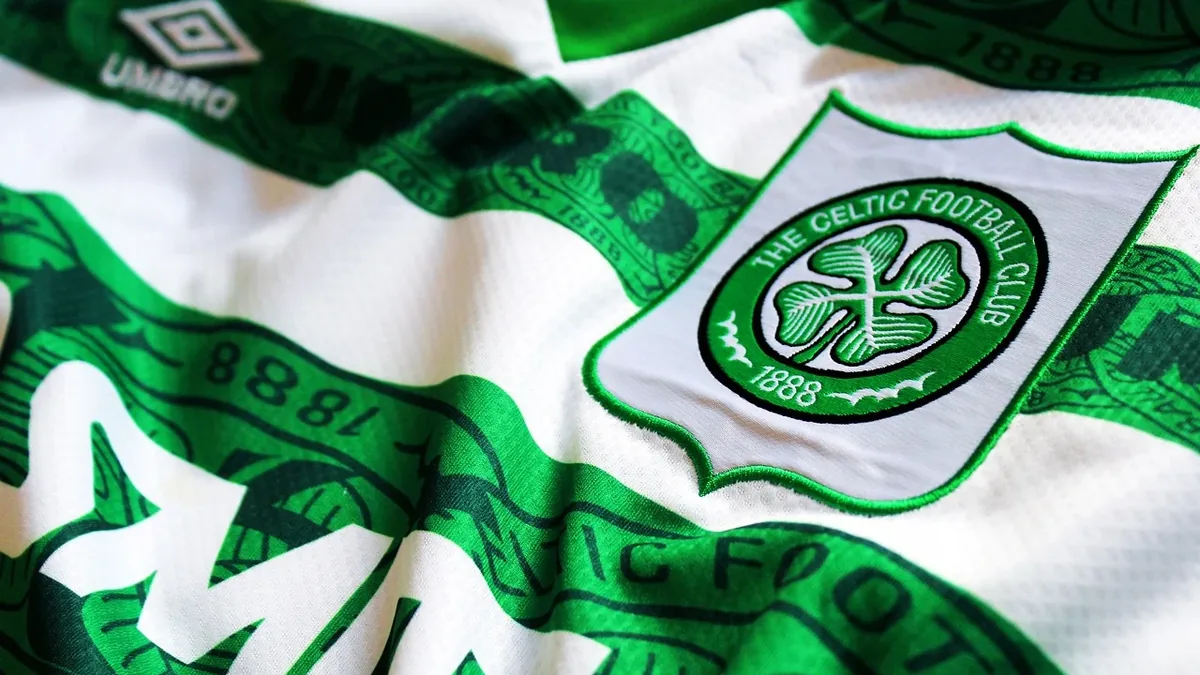
Football Club Collaborations
| Brand | Football Club Collaborations |
|---|---|
| Original use | To produce and sell co-branded merchandise. |
| First created | 2020s |
| Country of origin | United Kingdom |
| Typical partners | Football clubs, sportswear brands, retailers. |
| Product range | Apparel, accessories, collectibles. |
| Drop frequency | Periodic. |
| Drop model | Limited edition, announced releases. |
Origin and history
Football Club Collaborations, as a formalized commercial and cultural practice, originated in Europe during the late 20th century. The concept evolved from simple kit sponsorship deals into broader, co-branded partnerships between football clubs and entities outside of sport. The 1990s saw early forays, with clubs partnering with music artists or local brands for one-off merchandise lines. This practice expanded significantly in the 2000s and 2010s, driven by globalizing club brands and the rise of streetwear culture. The English Premier League, Italy's Serie A, and Spain's La Liga clubs have been particularly active in pioneering these collaborations. The trend is now a global phenomenon, with clubs from South America, Asia, and other regions actively engaging in similar partnership models.
What it is for
These collaborations serve to expand a football club's brand reach beyond its traditional sporting audience. They are primarily a marketing and commercial strategy aimed at generating new revenue streams through limited-edition product sales. A core purpose is to refresh the club's brand image by associating it with partners from fashion, art, music, or technology. They are designed to create exclusive, collectible items that drive urgency and direct-to-consumer sales. Furthermore, they function as a tool for community engagement, connecting with younger or style-conscious demographics who may not be regular match-goers. Ultimately, they reinforce the club's cultural relevance in a competitive entertainment landscape.
Overview
A Football Club Collaboration is a limited-term partnership where a club's brand assets are merged with those of an external partner to create unique products or experiences. The most common output is apparel, such as reimagined kits, jackets, or sneakers, but collaborations can extend to accessories, footwear, digital content, and even physical pop-up events. Partners typically come from the realms of high-end fashion, streetwear labels, sportswear giants, artists, or consumer brands. These releases are almost always produced in limited quantities and marketed as exclusive "drops." The collaboration is governed by a specific agreement detailing design input, revenue share, and the duration of the partnership. Success is measured by media buzz, sell-through speed, and the secondary market premium the items command.
What to know
Release dates and times for collaboration drops are announced in advance, often through the social media channels of both the club and the partner. Purchases are typically conducted online through dedicated web stores, where high traffic and swift sell-outs are common. Physical releases may occur at select club stores or partner boutiques, often requiring queuing or ticket systems. The "drop" model creates artificial scarcity, which fuels hype but also leads to frustration from fans unable to secure items due to bots or limited stock. Resale prices on platforms like eBay or StockX can immediately skyrocket, sometimes reaching multiples of the original retail price. Understanding the specific release mechanics for each collaboration is crucial, as procedures can vary between partners and product types.
Common questions
A frequent question is whether collaboration items will be restocked, to which the answer is almost always no due to their intentionally limited nature. Fans often ask if these special kits will be worn in official matches, which is rare and usually reserved for pre-season or one-off commemorative fixtures. Many inquire about sizing, as collaborations with fashion brands may use that brand's specific sizing, not standard sportswear fits. People question the authenticity of items purchased from resellers, given the prevalence of counterfeits for high-demand products. Another common query is about the design inspiration, which is usually explained through press releases or behind-the-scenes content from the partners. Supporters also ask if proceeds benefit the club's transfer budget, but funds are generally absorbed into broader commercial revenue.
Pros and cons
A significant pro is the innovation in design, often bringing fresh aesthetics and high-quality materials to club merchandise that standard replicas lack. These collaborations successfully attract new, fashion-conscious audiences to the club brand, expanding its cultural footprint. For fans, they offer a unique way to express fandom through exclusive, collectible items that hold cultural cachet. A major con is the frequent exclusion of traditional supporters due to high prices, limited availability, and a focus on style over sport, leading to perceptions of the club commodifying its identity. The hype-driven drop model often results in website crashes, bot purchases, and immediate profiteering by resellers, frustrating genuine fans. Some collaborations are criticized as shallow or incongruent with the club's heritage, feeling like a cynical cash grab that alienates the core fanbase.
Who it suits
This model suits global "mega-clubs" with vast international followings and brand recognition, as they have the scale to attract prestigious partners and guarantee sales. It suits fashion and streetwear brands seeking to tap into the passionate, global communities that football clubs provide. The collaborations suit collectors and sneakerheads who participate in drop culture and view such items as investment pieces or status symbols. They suit younger fans or those engaged with contemporary style who prioritize unique apparel over traditional replica kits. The model does not typically suit smaller, community-anchored clubs with localized support, as their commercial appeal to external brands is limited. It also may not suit traditional supporters who value sporting authenticity over fashion and view such products as disconnected from the team on the pitch.
Latest Football Club Collaborations news
Latest reporting
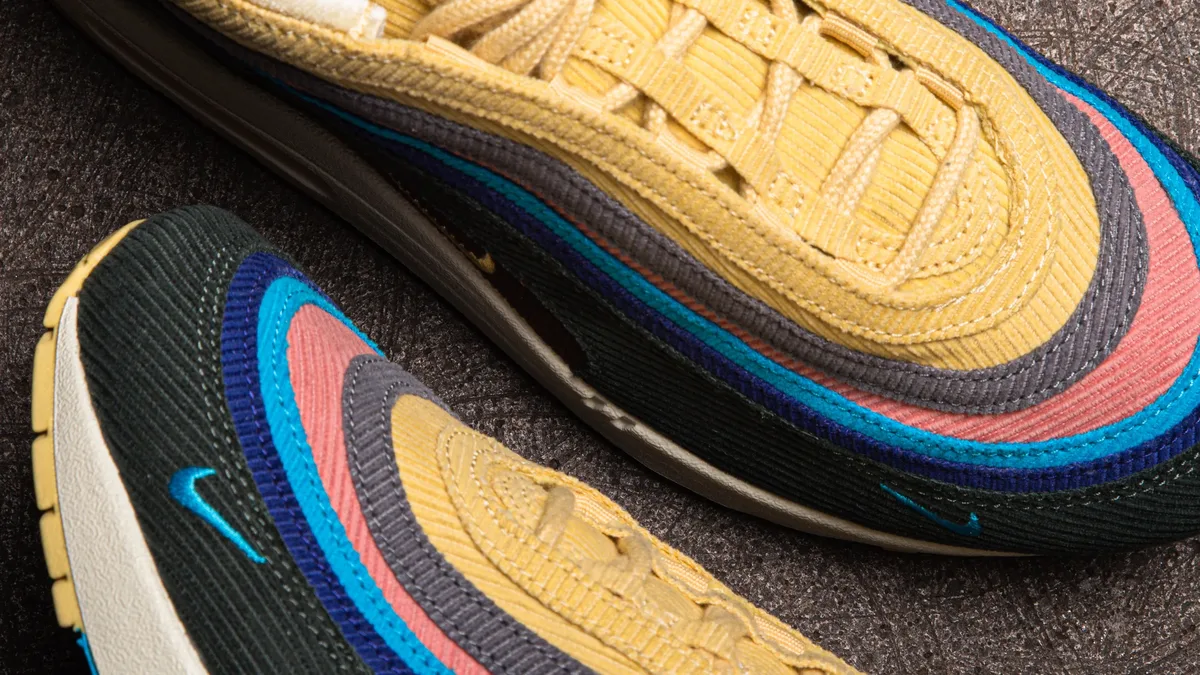
Supreme and Nike Reunite for Fall 2026 Apparel Drop
Supreme and Nike lead a week of major streetwear releases with a technical Fall 2026 capsule, alongside collaborations from ARC'TERYX x BEAMS, Awake...
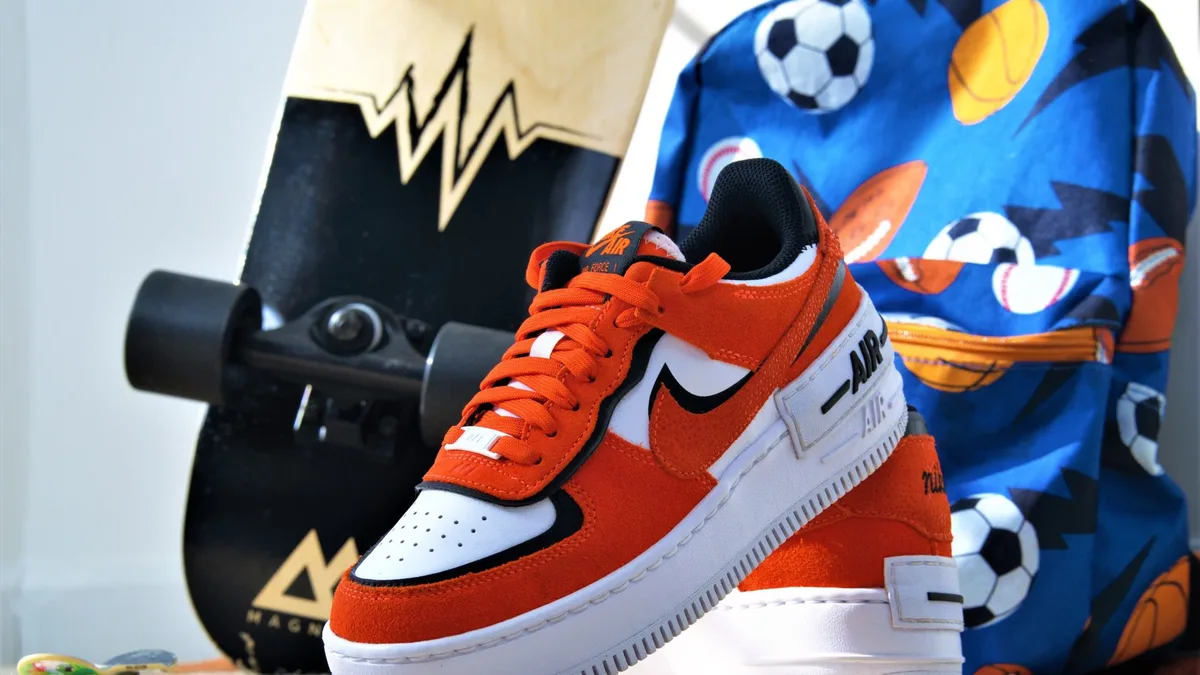
Palace, Balenciaga, NikeSKIMS Lead This Week's Streetwear
Eight major streetwear and fashion collaborations are releasing globally this week, including collections from Palace Skateboards, Balenciaga, and
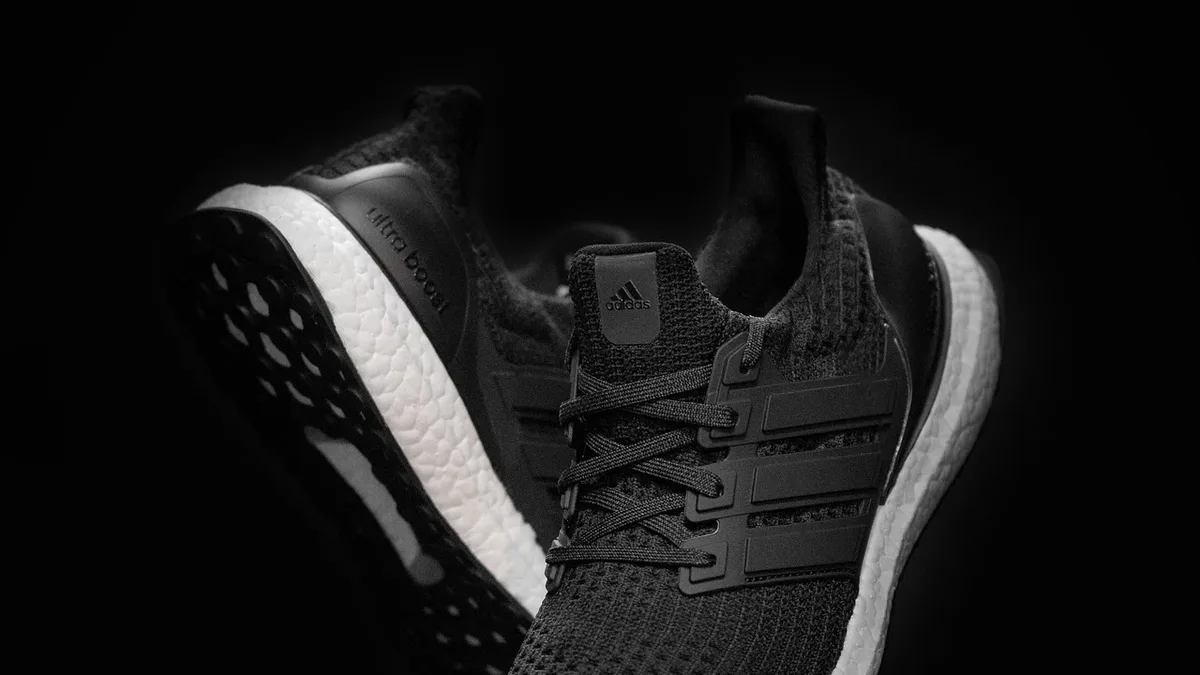
Sneaker Drops This Week: adidas, Saucony, Salomon
Seven major sneaker releases are scheduled for this week, including collaborations from adidas with Tyrrell Winston and Simone Rocha, a Saucony...

August's Top Streetwear Collabs: Stüssy, Our Legacy
A round-up of the most sought-after August 2026 streetwear collaborations from brands like Stüssy, Our Legacy Work Shop, and eYe Junya Watanabe Man.
Denim Tears x Billionaire Boys Club Drop Arrives
Denim Tears releases its second Fall/Winter 2026 drop, a Billionaire Boys Club collaboration, on September 4. The collection is inspired by André...

KidSuper x Havaianas launch football sandals
KidSuper and Havaianas launch a four-piece sandal collection merging football culture with avant-garde art. The release is headlined by a green...