
Collab Archive
| Brand | Collab Archive |
|---|---|
| First created | 2020s |
| Original use | To document and track collaborative product releases |
| Subject of documentation | Sneakers and streetwear |
| Recall focus | Release details and sell-out status |
| Data format | Chronological archive |
| Typical entry attributes | Brand, release date, model, colorway |
Origin and history
Collab Archive is a digital platform that originated in the United States during the late 2010s. It was created as a response to the increasing volume of limited-edition product releases and collaborative projects within streetwear and adjacent lifestyle sectors. The platform's development was driven by the need for a centralized, reliable source of information for release details and outcomes. Its founders came from backgrounds in e-commerce and digital community management, identifying a gap in the market for verified, real-time drop data. The service formally launched its tracking and archival functions at the start of the 2020s. It has since evolved from a simple tracking blog into a more comprehensive database used by collectors and enthusiasts.
What it is for
Collab Archive serves to document the commercial performance and details of limited-edition product releases, commonly known as "drops." Its primary function is to provide a verified record of whether a specific collaborative or limited release sold out, and the speed at which it did so. The platform tracks releases across various categories including footwear, apparel, designer goods, and collectibles from a wide array of brands. It is used by consumers to gauge the popularity and market demand for an item after its release. Researchers and analysts may use its historical data to identify trends in brand collaborations and consumer behavior. The archive also acts as a reference to settle disputes or confirm the rarity of an item within collector communities.
Overview
The platform operates as a structured database where each entry corresponds to a single product drop. Each entry consistently includes the brand name, the exact product name, the specific date and time of the drop, and its sell-out status. The site context "the drop" explicitly refers to this quartet of information: which brand, what time, and whether it sold out. Data is compiled through a combination of automated monitoring, direct brand communications, and community verification to ensure accuracy. The interface is designed for quick searching and filtering by brand, date, or product category. Over time, it has amassed a significant historical record that allows for longitudinal analysis of release patterns and brand performance.
What to know
Collab Archive does not sell products; it is purely an informational resource and should not be confused with a retail site or a resale marketplace. The reported sell-out times are based on primary retail channels and do not typically account for later restocks or exclusive regional releases. A "sell-out" designation is applied when the available inventory is depleted on the official brand or partner sites at launch. The platform's data is most reliable for major brands and high-profile collaborations, while coverage of smaller, niche releases may be less comprehensive. Users should be aware that the archive reflects initial demand but is not a direct indicator of long-term resale value or quality. The service is funded through advertising and potential premium subscription models, which may influence site layout but not the core factual data presented.
Common questions
A common question is whether Collab Archive provides links to purchase items, to which the answer is no, as it is an archive, not a retailer. Users frequently ask how the site verifies if something sold out, which involves monitoring inventory APIs, confirming with brand representatives, and cross-referencing community reports. Another recurring inquiry is about the inclusion of raffle-based releases, which are documented but with notes on their different purchase mechanics compared to first-come-first-served drops. People often question the accuracy of the listed drop times, which are standardized to a specific timezone and based on official announcements. Enthusiasts ask if the archive tracks restocks, which are generally logged as separate events if they constitute a significant, scheduled new inventory release. Finally, users wonder if they can submit data for missing drops, a process typically facilitated through moderated community contribution channels.
Pros and cons
A significant pro is the platform's utility as a neutral, fact-based resource that cuts through marketing hype to show actual consumer demand. It saves considerable research time for collectors and provides a clear historical record for market analysis. A major con is its potential to fuel hype-driven purchasing by emphasizing sell-out speed as a primary metric of value, which can encourage impulsive buys. Users sometimes regret relying solely on its data, as it does not account for product quality, comfort, or long-term satisfaction, leading to purchases of items that are popular but not personally suitable. A common mistake is interpreting a quick sell-out as an inevitable signal of high resale profit, which is not guaranteed and depends on numerous external market factors. The platform's focus on commercial performance can also overshadow discussion of a product's design merits or cultural significance.
Who it suits
Collab Archive best suits serious collectors and resellers who require precise, historical data on release outcomes to inform their purchasing strategies and valuations. It is also useful for market analysts and journalists who need verified facts on product launch performance within the streetwear and luxury sectors. Casual enthusiasts who enjoy following release culture may use it to stay informed on trends and benchmark the popularity of new collaborations. The platform is less suited for individuals seeking detailed product reviews, sizing advice, or styling information, as it provides none of that contextual evaluation. It is not ideal for shoppers who are easily influenced by perceived scarcity, as the data may pressure them into purchases they do not genuinely want. Ultimately, it serves those who prioritize empirical data over subjective opinion in the complex landscape of limited-edition goods.
Latest Collab Archive news
Latest reporting

L.L.Bean and Dunkin' Launch First Collab for National Coffee
L.L.Bean and Dunkin' have released their first collaborative capsule, featuring a custom Birdseye Sweater and a Boat and Tote.

M&S Debuts at London Fashion Week with Archive Collection
Marks & Spencer will stage its first London Fashion Week show, presenting 57 shoppable looks. Half the collection is priced under £50.
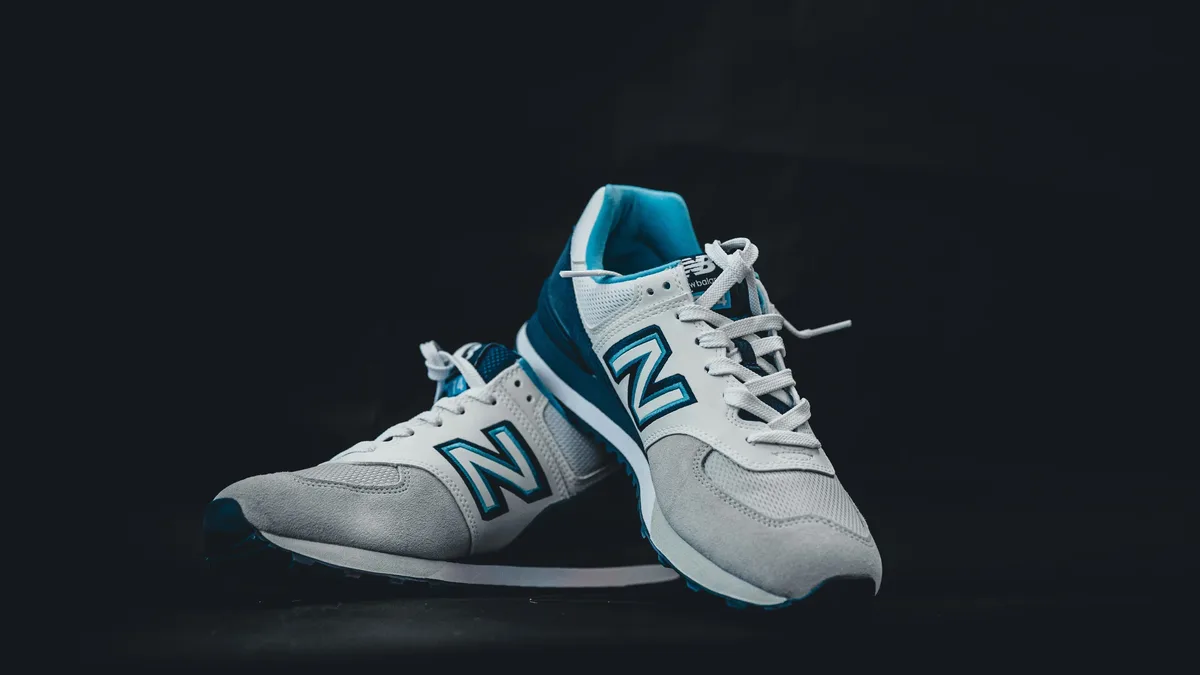
New Balance 983 Debuts October 1 for $160
New Balance unveils the 983, a new lifestyle sneaker built from 2000s running archive elements. It releases October 1 via New Balance for $160 USD.

Travis Scott Drops Cactus Court Nike Collab
Travis Scott unveiled the full Cactus Jack x Nike 'Cactus Court' collection after Carlos Alcaraz wore unreleased pieces during his US Open match.
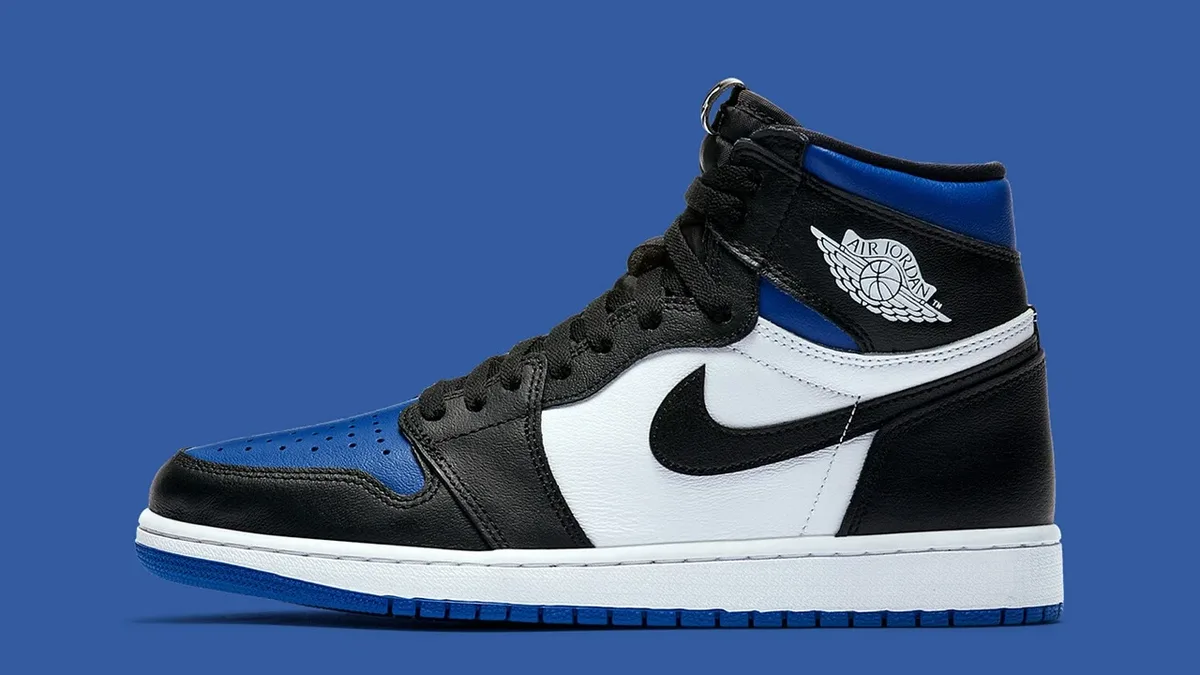
Jordan Brand x NÒMARHYTHM TEXTILE Collab
NÒMARHYTHM TEXTILE and Jordan Brand launch an apparel collaboration, fusing Tokyo textile craftsmanship with athletic heritage.

Action Bronson Teams Up with New Balance for Icy Archive Revival
The Queens-born rapper and chef links up with Boston's running legacy to create a unique and eye-catching shoe.