End Clothing
| Brands stocked | Designer, streetwear, contemporary, heritage |
|---|---|
| Drop format | Scheduled online releases |
| Drop frequency | Weekly |
| Drop time | Typically 8:00 AM GMT |
| Sell-out speed | Often rapid for hyped releases |
| Shipping regions | Worldwide |
| Return policy | Standard returns accepted |
| Physical stores | Yes, in the UK |
Origin and history
End Clothing originates from the United Kingdom, specifically the city of Newcastle upon Tyne. The retailer was established in the early 2000s, a period marked by the growth of online fashion retail and a rising global interest in niche menswear. It began as a single physical store, focusing on a curated selection of high-end and difficult-to-find brands that were not widely available in the UK market at the time. The founders leveraged a deep knowledge of both heritage workwear and emerging contemporary designers to build its initial inventory. Over the subsequent decades, the company expanded its operations significantly, opening additional physical stores in major cities like London and Glasgow. Its parallel development of a robust e-commerce platform was instrumental in establishing its international reputation among dedicated fashion consumers.
What it is for
End Clothing functions as a multi-brand retailer specializing in menswear, though it also carries a selection of womenswear and accessories. Its primary purpose is to curate and sell a wide range of products from established luxury houses, independent designer labels, and niche streetwear brands. The retailer is particularly noted for its focus on limited-edition product releases, commonly referred to as "drops," which include exclusive sneakers, collaborative apparel, and seasonal collections. It serves as a key authorized stockist for many sought-after labels, providing a legitimate purchasing channel for items that might otherwise be accessible only through secondary markets. The website and stores are designed to present these products in a clean, editorial context, emphasizing lookbooks and styling over purely transactional sales. Furthermore, it operates a seasonal sale model and offers a loyalty program, positioning itself as a full-service destination for a specific tier of fashion consumption.
Pros and cons
A significant advantage of End Clothing is its authoritative curation, which aggregates a vast array of prestigious and niche brands onto a single, reliable platform, saving customers the effort of sourcing from multiple stockists. Its strong relationships with brands often grant it access to exclusive products and early seasonal deliveries, making it a primary destination for new releases. The customer service is generally regarded as competent, with efficient logistics for a global customer base. A notable con is the highly competitive nature of its limited-edition product launches, where high-demand items can sell out in seconds, leading to frustration and a reliance on luck or automated tools. Some customers report that the pricing, while aligned with the luxury market, can be steep, especially when factoring in duties and shipping for international orders. The primary common mistake is assuming availability; items, even outside of launches, often have limited stock and do not restock, leading to missed purchases. Furthermore, the seasonal sale, while offering discounts, can see key sizes sell out almost immediately, diminishing its usefulness for many.
Who it suits
End Clothing best suits the fashion-conscious consumer who prioritizes access to a broad spectrum of designer and contemporary labels from a single retailer. It is ideal for shoppers who are actively engaged in the cycle of seasonal releases and limited-edition collaborations, particularly within the realms of high-end streetwear, technical apparel, and modern tailoring. The platform suits international buyers seeking a trustworthy source for European and global brands that may not have local stockists in their own country. It also appeals to collectors and resellers focused on securing rare sneakers and exclusive pieces, given its status as a legitimate first-party retailer. Customers who value a streamlined, editorial-style shopping experience over purely discount-driven platforms will find its presentation aligns with their preferences. It is less suited for budget-focused shoppers or those seeking fast-fashion turnover, as its model is built on curated, full-price goods with occasional seasonal markdowns.
Latest End Clothing news
Latest reporting
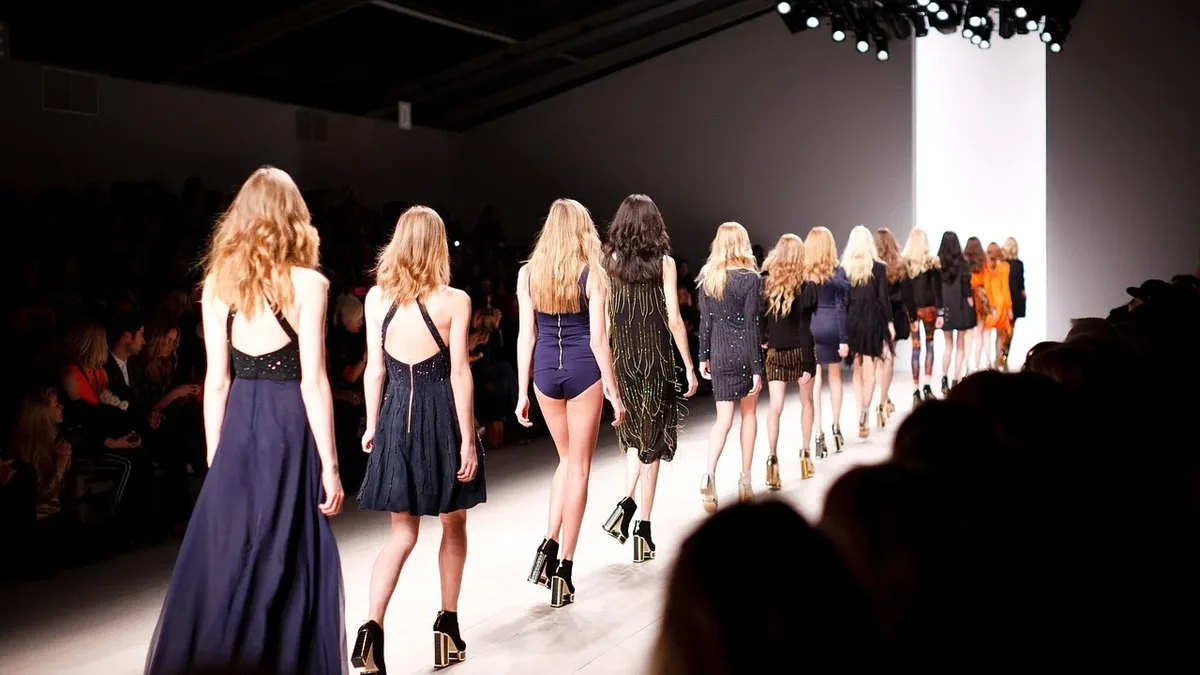
New York Fashion Week Highlights Female Designers' Wearable
At the just-concluded New York Fashion Week, women comprised 50% of the official CFDA schedule, with designers emphasizing practical, wearable...
Fashion Hits Peak Normal Clothing
A Highsnobiety editorial questions if fashion has hit 'peak normal,' using Stüssy's latest lookbook as a starting point to discuss the scarcity of...
Yayoi Kusama's Fashion Legacy
Beyond her polka dots, Yayoi Kusama ran a radical 1960s clothing line and influenced designers like Rei Kawakubo and Martin Margiela.
45rpm's Ai Shokunin Collection Redefines Luxury Streetwear
Japanese clothing institution 45rpm's Ai Shokunin collection offers exclusive, handmade garments with a focus on wearability
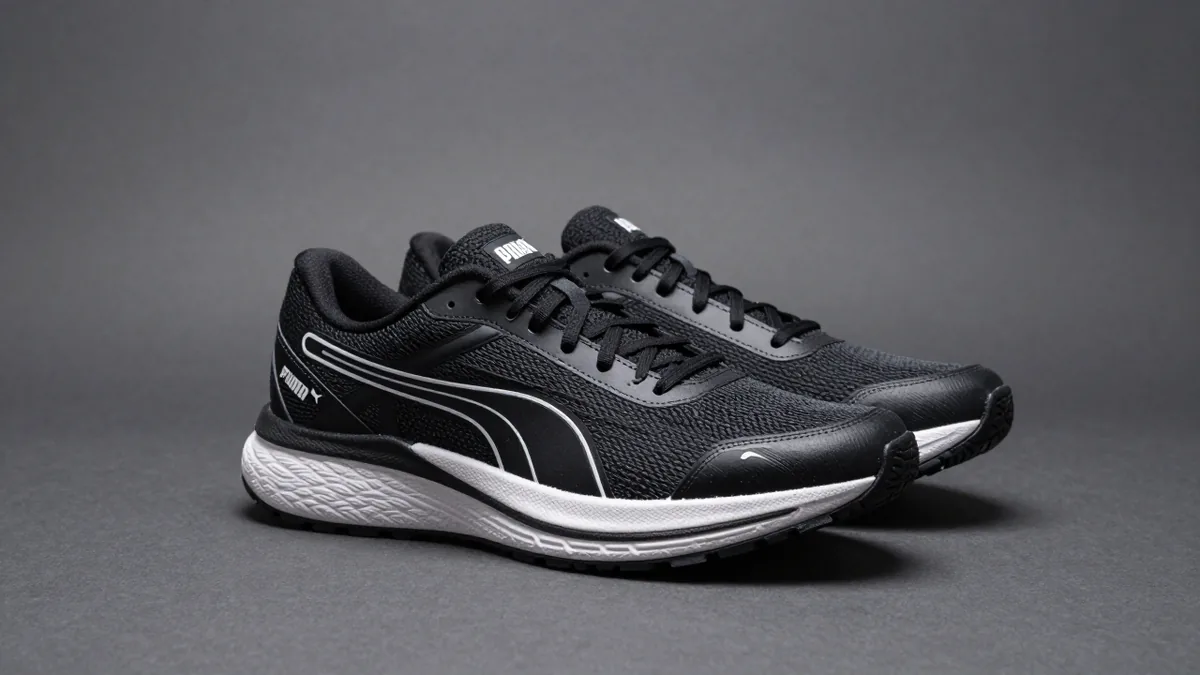
SAYSKY and PUMA's Final Collaboration Blends Office Style with Running Performance
SAYSKY and PUMA conclude their partnership with a 'Back to Business' collection, featuring high-performance running gear and office-friendly designs...
Brooks Brothers Reimagines Prep with Ron Herman Collaboration
Brooks Brothers, America's oldest clothing brand, teams up with Ron Herman for a pre-fall capsule that reinterprets classic prepwear with subtle...