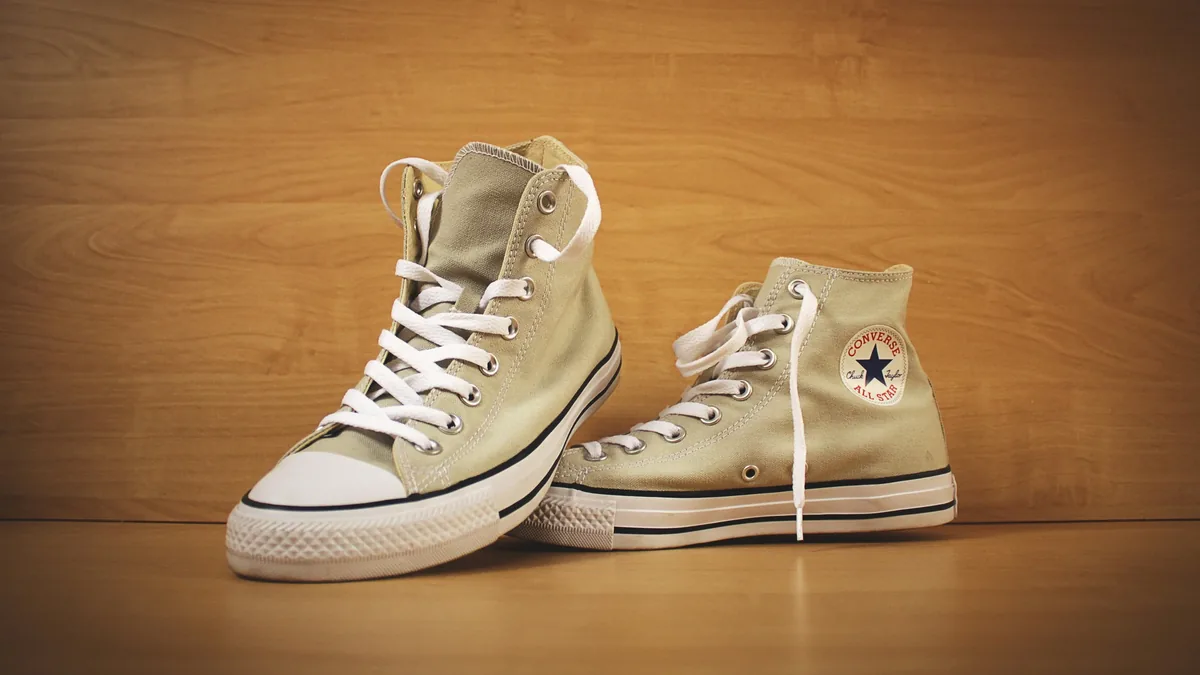
Vans And Converse
| Brand | Vans |
|---|---|
| First created | 1966 |
| Country of origin | United States |
| Original use | Skateboarding footwear |
| Typical construction | Canvas upper, vulcanized rubber sole |
| Notable feature | Waffle outsole pattern |
Origin and history
Vans is an American footwear brand that originated in California during the 1960s. It was founded as a company dedicated to manufacturing durable shoes for local surfers and skateboarders. Converse is an American footwear brand with a significantly longer history, originating in Massachusetts in the early 20th century. It began as a manufacturer of rubber-soled footwear for a variety of sports. The Converse All-Star basketball shoe, later renamed the Chuck Taylor All-Star after the basketball player who promoted it, was introduced in the 1910s and became iconic. Vans gained its initial reputation through direct engagement with the Southern California skateboarding scene, with its simple canvas and rubber vulcanized construction. Both brands have evolved from their athletic origins to become staples of casual and subcultural fashion worldwide.
What it is for
Vans shoes were originally designed for practical use in skateboarding, providing the grippy rubber waffle sole needed for board control. They also served the adjacent surf culture of Southern California as durable, casual footwear. Converse shoes were initially engineered for athletic performance, specifically on basketball courts, with the All-Star designed as a high-top for ankle support. Over decades, both brands transcended their sporting purposes to become fundamental elements of various youth and music subcultures. Vans became synonymous with skate, punk, and alternative scenes, while Converse became linked with rock and roll, grunge, and indie cultures. Today, both are primarily worn as versatile, everyday casual shoes, valued for their aesthetic and historical associations as much as their functionality.
Overview
Vans and Converse are two distinct American footwear brands that have achieved global recognition as cultural symbols. Vans is characterized by its vulcanized rubber construction, the signature waffle sole pattern, and styles like the Old Skool, Authentic, and Slip-On. Converse is defined by its canvas upper, rubber toe cap, and distinctive star-and-chevron logo, with the Chuck Taylor All-Star high-top and low-top being its most famous models. Both companies have expanded their lines to include apparel and accessories, but their core identity remains tied to their classic shoe designs. Ownership differs, with Vans operating as a subsidiary of VF Corporation and Converse being owned by Nike, Inc. Their widespread adoption has made them ubiquitous in streetwear, though this sometimes dilutes their original subcultural authenticity.
What to know
The construction of classic Vans and Converse shoes involves canvas uppers and vulcanized rubber soles, which can offer less inherent arch support and cushioning than modern athletic shoes. Sizing can be inconsistent, with both brands often recommended to be tried on before purchase, as Converse, in particular, is known to run large. Authentic Vans feature the "Off The Wall" logo and a rigid heel counter, while authentic Converse feature a metal eyelet, a specific toe cap texture, and a license stamp on the inner label. Both brands have extensive collaboration histories with artists, designers, and other brands, which often drive high demand for limited releases. The longevity of a pair depends heavily on usage; they are not typically designed for heavy athletic performance despite their origins. The cultural weight of each brand means that wearing them often communicates an affiliation with certain aesthetics or historical movements.
Common questions
A common question is whether Vans or Converse are better for wide feet, with many finding the standard models of both to be relatively narrow, though both offer some wide-fit options in certain styles. People often ask about the break-in period, which can involve initial stiffness and potential blistering, particularly around the heel and ankle on high-top models. Another frequent inquiry concerns the difference between original lines and cheaper, non-branded imitations, which usually lack the specific material quality and construction details. Many want to know how to clean canvas shoes, which typically involves gentle brushing with a mild soap solution and air drying to avoid damage. Questions about resale value focus on specific limited-edition collaborations, which can command high prices in secondary markets, while general release models do not. A recurring question is about their suitability for actual skateboarding or sports, with modern skate-specific Vans models being more appropriate than classic Converse for athletic use.
Pros and cons
A significant pro for both brands is their timeless, versatile aesthetic that pairs with a vast array of casual outfits. They are relatively affordable entry points into branded footwear with deep cultural heritage. A major con is that their classic canvas and vulcanized rubber construction offers minimal arch support, cushioning, or durability for all-day walking or strenuous activity, often leading to foot fatigue. The flat, grippy soles of Vans can also cause excessive wear on indoor floors. People frequently regret choosing them for extensive travel, theme park visits, or standing jobs where comfort is paramount. A common mistake is assuming they will provide the same support as modern sneakers, leading to discomfort. Furthermore, their pervasive popularity can be a con for those seeking a unique or niche style, as they are among the most common shoes seen in casual settings.
Who it suits
Vans and Converse suit individuals prioritizing style, cultural resonance, and casual versatility over advanced technical footwear features. They are well-suited for fans of vintage, skate, punk, rock, and indie aesthetics who value the historical narrative behind their clothing. They suit those with a lifestyle involving short commutes, casual social settings, and light activity rather than athletic training or long-distance walking. Younger wearers often gravitate towards them as a first "branded" shoe due to their accessible price point and iconic status. They are less suitable for individuals with specific orthopedic needs, those requiring substantial arch support, or people engaged in professions requiring all-day standing on hard surfaces. Ultimately, they suit anyone seeking a simple, recognizable canvas shoe that communicates a degree of cultural awareness, albeit a mainstream one.
Latest Vans And Converse news
Latest reporting

Why Does This Mug Have More Collabs Than Most Streetwear Labels?
Fire-King's tableware has become a cult design object, with collaborations from high-profile brands like Vans, Pendleton, and KAWS.

Vans Keeps it Simple with the Skate Rowan Z3
Vans' latest signature skate shoe, the Skate Rowan Z3, stays true to its roots while offering a fresh take on the classic design.