Streetwear In European Football Stadiums
| Brand | F.C. Barcelona, Nike, or specific streetwear label |
|---|---|
| First created | 2000s (The trend emerged broadly in this period.) |
| Original use | Football club merchandise for off-field, casual wear |
| Product type | Scarves, caps, hoodies, t-shirts, track jackets |
| Typical audience | Football supporters and streetwear enthusiasts |
| Association | Official collaboration between club and brand, or unofficial "ultras" style |
| Aesthetic | Incorporates club colors, crests, and often retro designs |
Origin and history
Streetwear in European football stadiums is a cultural trend rather than a singular brand, originating from the convergence of global sportswear, high-fashion, and football fan culture in the late 20th and early 21st centuries. Its roots are deeply embedded in the United Kingdom, where casual football culture of the 1980s saw fans adopting expensive, designer sportswear as a form of identity and one-upmanship. This early subculture, focused on labels like Fila, Ellesse, and Stone Island, laid the foundational aesthetic and social codes. The trend expanded significantly across Europe in the 2000s and 2010s, driven by continental fan movements and the globalization of both streetwear and football. The proliferation of social media in the 2010s accelerated its visibility, transforming stadium terraces into de facto fashion runways. Its history is not documented by a single launch but is a continuous evolution, absorbing influences from hip-hop, skate culture, and luxury fashion while remaining tethered to the tribal loyalties of football clubs.
What it is for
This trend serves as a powerful visual marker of in-group identity and affiliation within the often tribal world of football fandom. The specific garments and brands worn can signal support for a particular club, often through color schemes, subtle branding, or accepted codes within a fan group. It functions as a form of non-verbal communication and status display on matchdays, where traditional club colors might be relegated to a small detail on a premium garment. Beyond mere affiliation, it is used to project a specific image of modernity, wealth, and cultural awareness, separating the wearer from stereotypical perceptions of football fans. The clothing acts as a uniform for socializing before and after matches, creating a cohesive group aesthetic in pubs, streets, and stadium concourses. Furthermore, it represents a personal passion project for many, involving the hunting of rare items, limited-edition collaborations, and the curation of a wardrobe that reflects both football loyalty and broader fashion sensibilities.
Overview
Streetwear in European stadiums encompasses a wide range of apparel, including technically advanced jackets, curated sneakers, designer knitwear, and luxury accessories, all worn within the context of football attendance. Key brands integral to this scene historically include Stone Island and CP Company, known for their distinctive arm badges and garment-dyeing techniques, alongside mainstream sportswear giants like Nike and Adidas producing football-adjacent casual wear. The scene is characterized by the prevalence of limited-edition drops and collaborative releases between high-fashion houses like Louis Vuitton, Off-White, and traditional sportswear brands, often selling out within minutes online. These items are then worn to matches as a flex of exclusivity and access. The aesthetic prioritizes a sleek, often monochromatic, and technically detailed look over the traditional, brightly colored replica football jersey. The phenomenon is most prominently visible in leagues such as England's Premier League, Italy's Serie A, and Germany's Bundesliga, each with subtle regional variations in preferred brands and styles.
What to know
Understanding the specific brand codes and unwritten rules within different fan groups is crucial, as wearing the wrong brand in the wrong section of a stadium can draw negative attention. Investment levels are significant, with key pieces from coveted brands or collaborations often costing several hundred to over a thousand euros, making it an expensive subculture to participate in fully. Knowledge of release dates, or "drop" times, is paramount, as the most desired items typically sell out through online retailers or brand flagship stores in major European cities within an hour, if not minutes. The secondary market on platforms like Grailed or eBay is where many items are ultimately sourced, often at heavily inflated resale prices. Physical quality and technical features, such as specific fabric treatments or innovative fastenings, are often as important as the brand logo itself to discerning participants. The trend is cyclical, with certain brands falling in and out of favor over seasons, requiring constant engagement with fashion and fan forums to stay current.
Common questions
A common question is whether one must support a club to participate, and while the clothing is rooted in fandom, its appeal has broadened to general fashion enthusiasts who appreciate the aesthetic detached from football. People often ask how to identify the key brands, which typically include Stone Island, CP Company, Moncler, Nike ACG, and limited collaborations from luxury houses, though this list is always evolving. Many inquire about the safest way to purchase items, which involves following brand social media accounts for drop announcements, using multiple devices for online queues, and authenticating any secondary market purchases carefully. Questions arise regarding the appropriateness of wearing replica jerseys versus this streetwear, and the answer is highly context-dependent on the specific club culture and stadium section. People frequently ask about the geographic centers of the trend, with major cities like London, Milan, Paris, and Berlin being key hubs for both retail and street visibility. A final recurring question concerns the line between fan culture and mere fashion posturing, a tension that is continuously debated within the community itself.
Pros and cons
A significant pro is the sense of community and instant recognition it provides among like-minded individuals at matches and in related social spaces, forging connections based on shared sartorial and sporting tastes. The focus on high-quality materials and construction means that, when cared for, these garments can be long-lasting and functional investments beyond the stadium. A major con is the substantial financial cost, not only for the initial purchases but also for keeping up with rapidly changing trends and limited releases, which can lead to significant debt or regret for those overextending. Another con is the risk of theft or damage in crowded stadium environments, where expensive outerwear is a conspicuous target. A common mistake is purchasing and wearing items without understanding their specific cultural weight or association with rival fan groups, which can lead to social awkwardness or even confrontation. Many who enter the trend purely for fashion, without a genuine connection to the football culture, often find the investment feels hollow and the social navigation needlessly complex.
Who it suits
This trend best suits dedicated football fans who have a parallel, deeply vested interest in contemporary fashion and disposable income to allocate to a non-essential wardrobe. It is ideal for individuals who enjoy the research, hunt, and community aspects of collecting rare clothing as much as the act of wearing it. It suits those who are comfortable with a degree of conformity within a subculture, adhering to its evolving but specific dress codes while potentially adding a personal twist. It is less suited to casual matchgoers who prioritize comfort or traditional fan attire, as the required effort and expense are disproportionate to their level of engagement. The trend also suits fashion-forward individuals who may not be hardcore fans but appreciate the technical design and narrative of the clothing, attending select matches or events as a cultural participant. Ultimately, it is for those who see the stadium terrace as a legitimate venue for personal style expression and are willing to navigate the associated costs and social nuances.
Latest Streetwear In European Football Stadiums news
Latest reporting
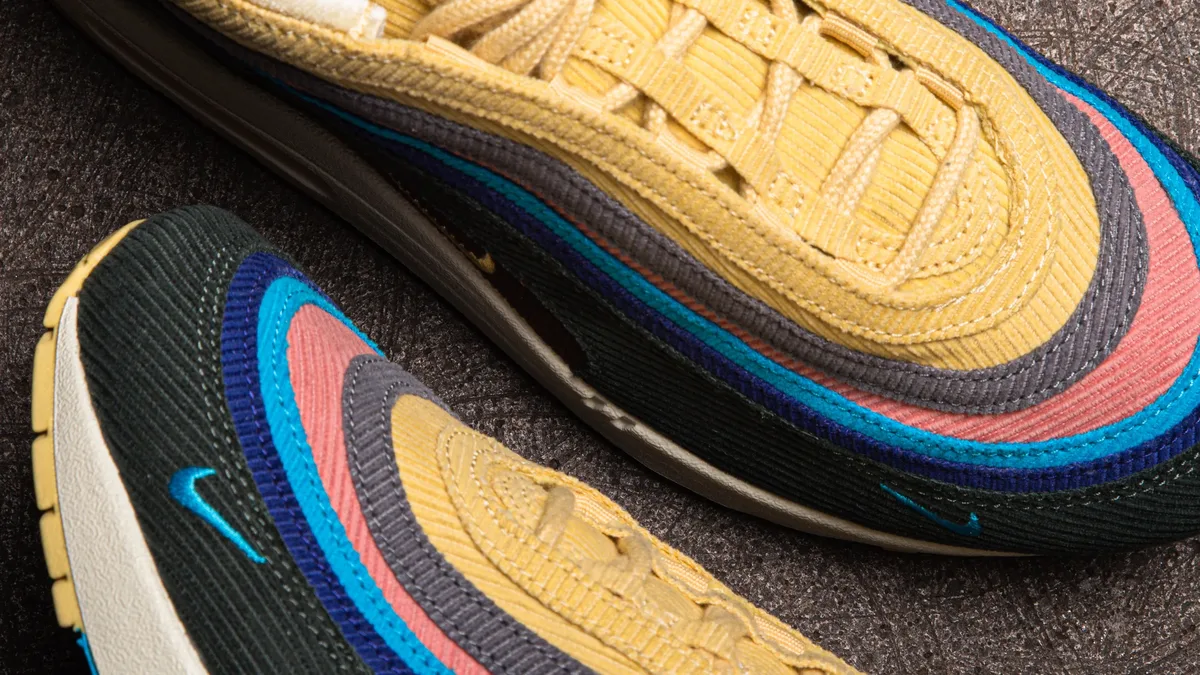
Supreme and Nike Reunite for Fall 2026 Apparel Drop
Supreme and Nike lead a week of major streetwear releases with a technical Fall 2026 capsule, alongside collaborations from ARC'TERYX x BEAMS, Awake...

Zalando's Bread&&Butter Festival Merged Streetwear and Music
Zalando's Bread&&Butter festival in Berlin from 2016-2018 blended fashion drops, music, and youth culture. It drew over 30,000 attendees annually for...
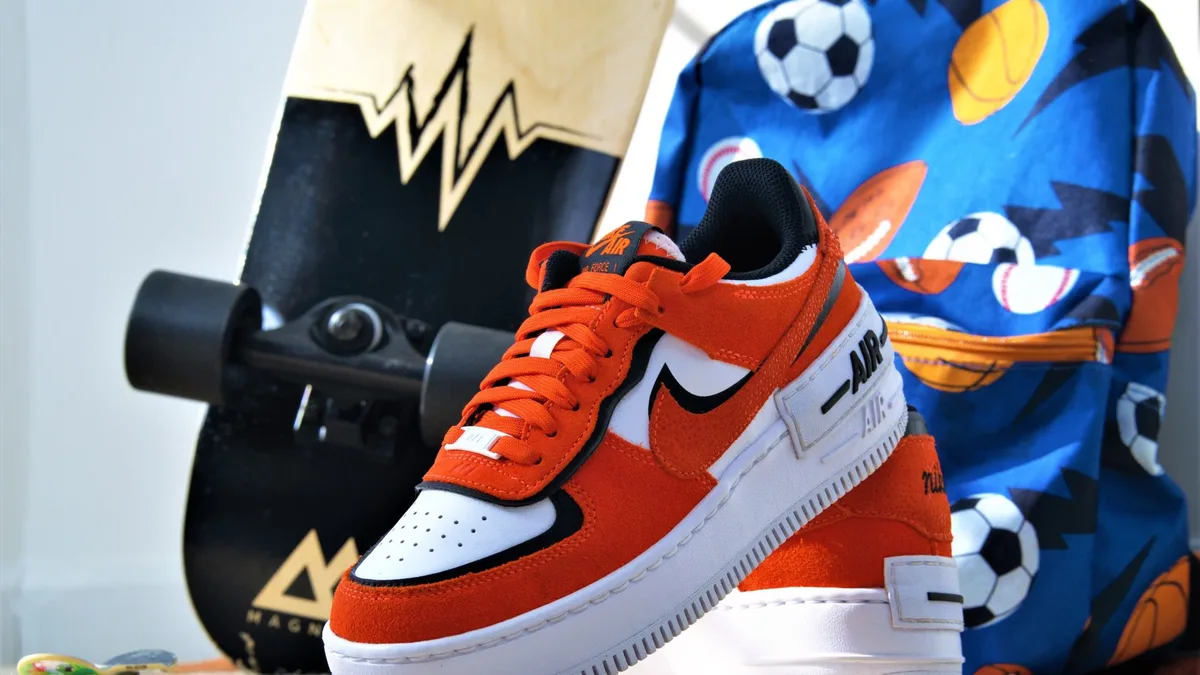
Palace, Balenciaga, NikeSKIMS Lead This Week's Streetwear
Eight major streetwear and fashion collaborations are releasing globally this week, including collections from Palace Skateboards, Balenciaga, and
LUAR and Lunazul Tequila Launch Moonlit Streetwear Capsule
LUAR's Raul Lopez unveils a limited capsule with Lunazul Tequila, featuring agave leather. The collection, inspired by NYC nightlife and '90s...

August's Top Streetwear Collabs: Stüssy, Our Legacy
A round-up of the most sought-after August 2026 streetwear collaborations from brands like Stüssy, Our Legacy Work Shop, and eYe Junya Watanabe Man.
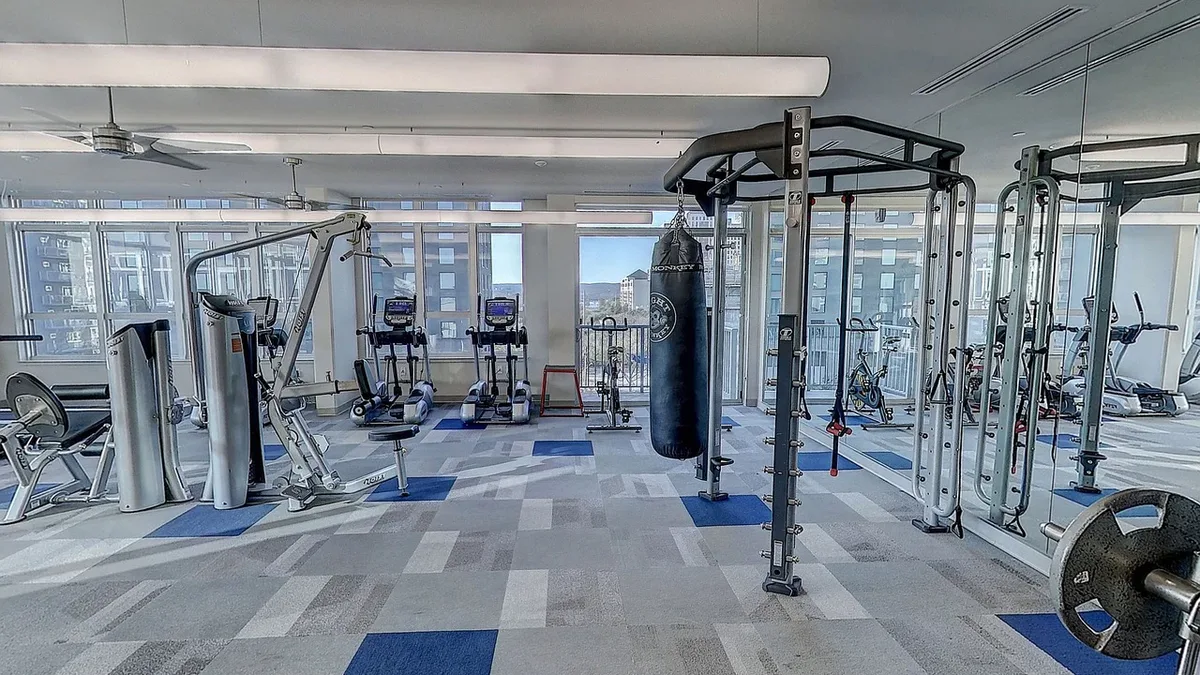
Sports Direct Opens Dublin Everlast Gyms+
Frasers Group has opened its first European Sports Direct Everlast Gyms+ flagship in Dublin, combining retail and fitness across 85,000 sq ft.